Shandong HeadPowder Engineering Co., Ltd., commonly known as HeadPowder, is a professional manufacturer and supplier specializing in the design, production, and installation of pneumatic conveying systems. With a focus on diatomite material handling, the company has established itself as a leading solution provider in the industry, serving clients with high-quality equipment and technical expertise. HeadPowder's facilities are located in Shandong, China, where the company leverages local resources and industry knowledge to deliver tailored solutions for material transport challenges. The diatomite material pneumatic conveying system is a sophisticated piece of industrial equipment designed to transport diatomite—a lightweight, porous sedimentary rock—through a pipeline using air or other gas as the conveying medium. This system is particularly suited for applications where traditional mechanical conveying methods may be inefficient or impractical, such as in processing plants, storage facilities, or transportation networks. The system combines advanced engineering principles with robust construction to ensure reliable, efficient, and safe material transport, minimizing downtime and operational costs for users.
Operation Process of the Pneumatic Conveying System
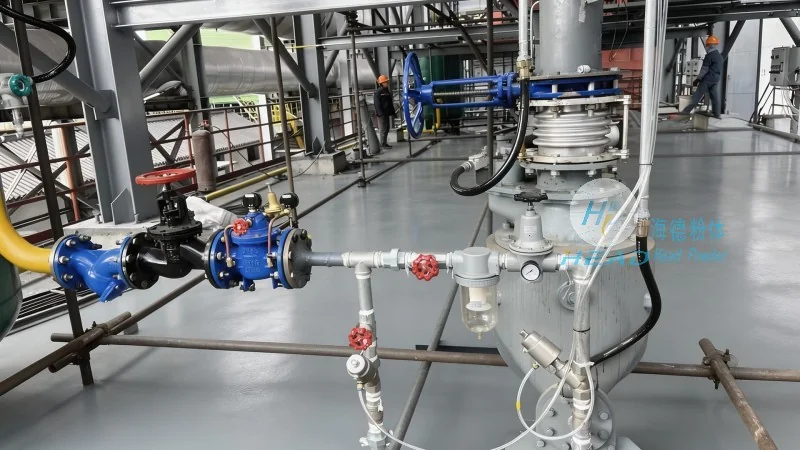
The operation of the diatomite material pneumatic conveying system follows a systematic sequence of steps to ensure smooth and continuous material transport. The process begins with the loading of diatomite into the hopper or storage silo. From there, the material is fed into the conveying line via a rotary valve or feeder, which controls the flow rate and maintains consistent pressure. The conveying medium—typically compressed air or nitrogen—is introduced into the pipeline at a controlled pressure, creating a flow that propels the diatomite particles through the system. The system may include intermediate silos or transfer points to adjust the flow direction or pressure, ensuring the material reaches its destination without blockages or loss. At the discharge end, the diatomite is collected in a receiving hopper or storage tank, completing the cycle. The entire process is monitored by sensors and control systems that adjust parameters in real-time to maintain optimal performance, such as pressure, flow rate, and material level.
Working Principle of the Pneumatic Conveying System
The core principle of the diatomite material pneumatic conveying system is the use of fluid dynamics to transport solid particles through a pipeline. The system operates on the basis of two main mechanisms: dilute phase and dense phase conveying. In dilute phase conveying, the diatomite particles are suspended in the air stream, moving at high velocity through the pipeline. This method is suitable for short to medium distances and low to medium material loads. In dense phase conveying, the material is conveyed in a slurry-like state, with higher particle concentration and lower air velocity, which is ideal for longer distances or when handling abrasive or sensitive materials. The system's design, including the choice of pipeline diameter, air pressure, and flow rate, is critical to achieving the desired conveying efficiency and minimizing wear on components. The use of air as the conveying medium allows for a closed system, reducing dust emissions and improving safety compared to traditional bulk handling methods.
Advantages of the Diatomite Material Pneumatic Conveying System
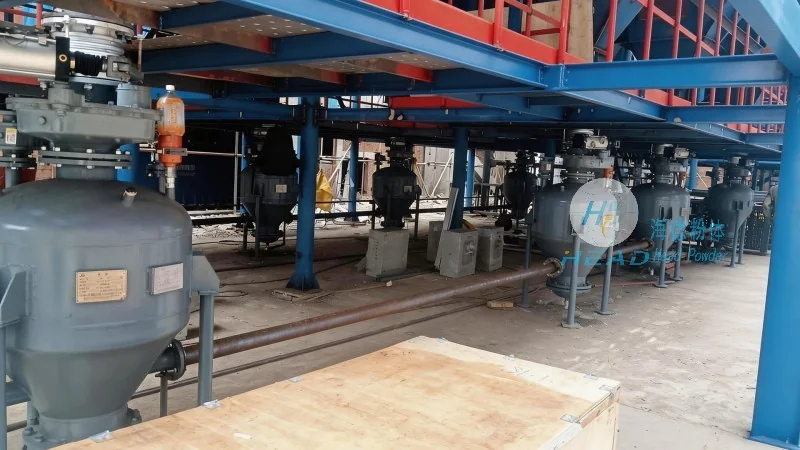
Implementing a diatomite material pneumatic conveying system offers several key advantages for industrial operations. First, it provides a dust-free and enclosed transport environment, which enhances workplace safety and compliance with environmental regulations. Unlike mechanical conveying systems, which may generate significant dust and require additional dust control measures, the pneumatic system minimizes airborne particles, reducing the risk of respiratory issues and contamination. Second, the system offers high efficiency and reliability, with the ability to transport diatomite over long distances without the need for intermediate transfer points or manual handling. This reduces labor costs and improves overall productivity. Third, the system is flexible and adaptable, allowing for changes in material flow rates or destination without major modifications to the infrastructure. Additionally, the use of compressed air as the conveying medium provides precise control over the material's movement, ensuring consistent delivery to downstream processes. These advantages make the system a preferred choice for industries that require clean, efficient, and reliable diatomite handling solutions.
Maintenance and Maintenance of the Pneumatic Conveying System
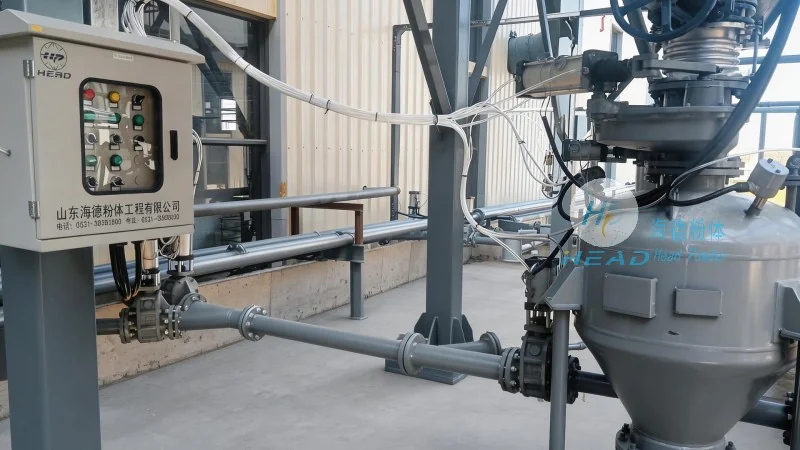
To ensure the long-term performance and reliability of the diatomite material pneumatic conveying system, regular maintenance and proper care are essential. HeadPowder recommends a proactive maintenance schedule that includes routine inspections, cleaning, and component replacement. Key maintenance tasks include checking the condition of the air compressor and filters to ensure proper air quality and pressure; inspecting the conveying line for signs of wear, corrosion, or blockages; and maintaining the feeder and rotary valve to ensure consistent material flow. The system's control systems should also be regularly calibrated to ensure accurate monitoring of pressure, flow rate, and material levels. By following a structured maintenance plan, users can extend the lifespan of the equipment, reduce the risk of breakdowns, and maintain optimal conveying efficiency. HeadPowder provides comprehensive maintenance services and technical support to assist clients in keeping their systems in top condition, ensuring consistent performance and minimal downtime.
Conclusion
The diatomite material pneumatic conveying system from Shandong HeadPowder Engineering Co., Ltd. represents a cutting-edge solution for efficient and reliable diatomite transport in industrial applications. By combining advanced engineering with robust construction, the system offers a dust-free, enclosed, and highly efficient method of material handling that addresses the unique challenges of diatomite processing. With its ability to operate over long distances, adapt to varying flow rates, and minimize operational costs, the system is an ideal choice for industries seeking to improve their material transport processes. HeadPowder's commitment to quality and customer service ensures that clients receive not only high-performance equipment but also comprehensive support throughout the system's lifecycle, making it a trusted partner for diatomite material handling needs.




