The ferric sulfate material pneumatic conveying system is a critical piece of industrial equipment designed to efficiently transport ferric sulfate, a key chemical compound used in various applications such as water treatment, paper manufacturing, and chemical synthesis. This system combines advanced pneumatic technology with robust engineering to ensure reliable, safe, and efficient material handling. As a leading provider in the field, Shandong HeadPowder Engineering Co., Ltd. specializes in developing and implementing such systems tailored to meet the specific needs of clients in the chemical and industrial sectors.
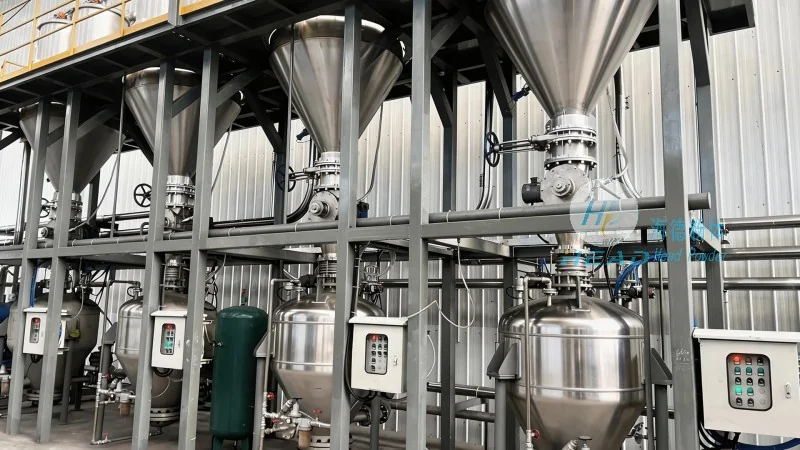
System Overview and Key Components
At the core of the ferric sulfate pneumatic conveying system are several essential components that work in harmony to facilitate material transport. The system typically includes a hopper for material storage, a rotary valve or feeder to control the flow rate, a conveying line (often equipped with pressure vessels or vacuum pumps), and a receiver or discharge unit. The hopper is designed to hold a sufficient quantity of ferric sulfate, ensuring a steady supply to the feeder. The rotary valve regulates the material discharge from the hopper, preventing backflow and maintaining consistent flow rates. The conveying line, which may be pressurized or vacuum-based, transports the material from the feeder to the receiver. The receiver collects the material and may include a dust collection system to ensure environmental compliance. Each component is engineered to withstand the corrosive nature of ferric sulfate and the operational pressures involved, ensuring long-term reliability and minimal maintenance.
Working Principle of the Pneumatic Conveying Process
The operation of the ferric sulfate pneumatic conveying system is based on the principle of air movement to transport solid materials. There are two primary modes of operation: pressure conveying and vacuum conveying. In pressure conveying, a positive pressure is maintained in the conveying line, typically using a blower or compressor, to push the material through the system. The material is mixed with air in the hopper or feeder, creating a slurry that is then propelled through the pipeline. In vacuum conveying, a vacuum is created at the receiver end, drawing the material and air mixture through the system. The choice between pressure and vacuum depends on factors such as the distance to be covered, the material's characteristics, and the system's layout. For ferric sulfate, which is a fine powder with moderate flowability, pressure conveying is often preferred due to its ability to handle longer distances and higher material loads efficiently. The air velocity within the pipeline is carefully controlled to prevent material segregation or blockages, ensuring a smooth and consistent flow.
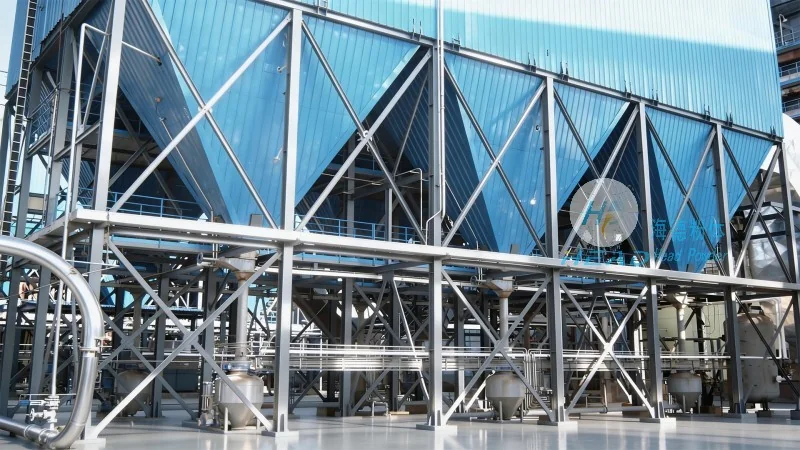
Step-by-Step Operation Process
The operation of the ferric sulfate pneumatic conveying system follows a systematic sequence to ensure optimal performance and material handling. The process begins with the loading of ferric sulfate into the hopper. The hopper is equipped with a level indicator to monitor the material inventory, allowing for timely refills. Once the hopper is filled, the rotary valve is activated to control the material flow rate. The feeder then mixes the material with air, creating a consistent slurry. The slurry is then introduced into the conveying line, where it is transported to the receiver. The receiver may include a dust filter or cyclone to separate any airborne particles from the material, ensuring that the delivered ferric sulfate is clean and free from contaminants. The system is designed with safety features such as pressure relief valves and overfill protection to prevent accidents and maintain operational safety. Regular maintenance, including cleaning of the hopper and feeder, checking air pressure, and inspecting the conveying line for blockages, is essential to maintain the system's efficiency and longevity.
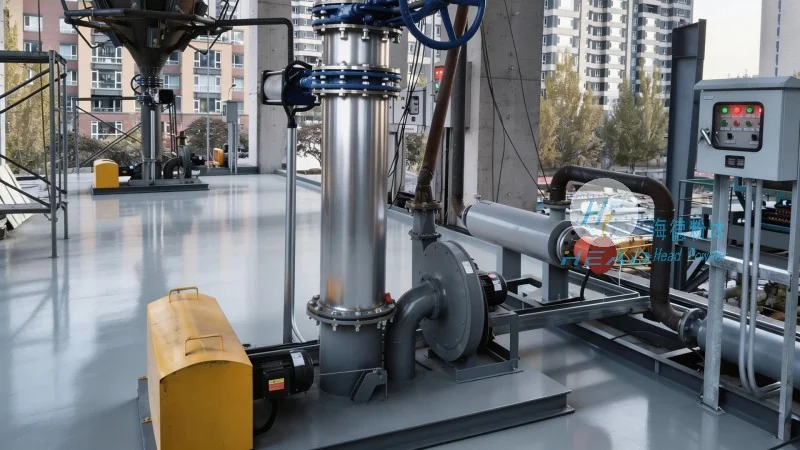
Technical Advantages and Benefits
Implementing a ferric sulfate pneumatic conveying system offers several technical advantages that enhance operational efficiency and cost-effectiveness. One of the primary benefits is the ability to transport material over long distances without the need for intermediate storage or manual handling. This reduces labor costs and minimizes the risk of material spillage or contamination. The system also provides a closed-loop operation, which helps in controlling dust emissions and maintaining a clean working environment, which is crucial for compliance with environmental regulations. Additionally, the system's design allows for precise control over material flow rates, ensuring consistent product quality and reducing waste. The use of pneumatic conveying also eliminates the need for mechanical conveyors, which can be prone to wear and tear, reducing maintenance costs and increasing the system's lifespan. For industries dealing with ferric sulfate, such as water treatment plants or chemical manufacturers, this system provides a reliable and efficient solution for material handling, improving overall productivity and operational safety.
Application Scenarios and Customization
The ferric sulfate pneumatic conveying system is versatile and can be customized to suit various application scenarios. For example, in water treatment facilities, the system can be used to transport ferric sulfate from storage tanks to dosing points, ensuring accurate and consistent dosing for water purification processes. In paper manufacturing, the system may be employed to convey ferric sulfate from a storage area to the paper machine, where it is used as a coagulant in the papermaking process. The system can also be integrated with other processing equipment, such as mixers or reactors, to form a complete production line. Shandong HeadPowder Engineering Co., Ltd. offers tailored solutions, considering factors such as the client's specific operational requirements, the scale of the application, and the environmental conditions. The company's engineers work closely with clients to design and implement systems that meet their unique needs, ensuring optimal performance and cost-effectiveness. Whether for small-scale or large-scale operations, the ferric sulfate pneumatic conveying system provides a reliable and efficient solution for material handling.




