HeadPowder, a leading provider of industrial material handling solutions, specializes in the design, manufacturing, and implementation of advanced pneumatic conveying systems. These systems are engineered to efficiently transport bulk materials from one location to another, ensuring seamless integration into automated production lines. The following overview details the operational process and underlying principles of such systems, highlighting key components and their functions.
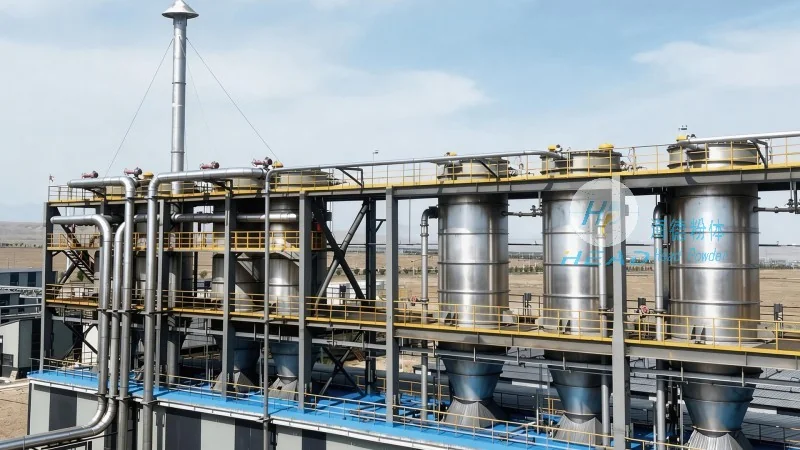
Key Components of a Pneumatic Conveying System
The core of an automatic material feeding pneumatic conveying system consists of several critical components that work in tandem to achieve material transport. These include the material feed hopper, which holds the bulk material and regulates its flow; the air supply system, typically a blower or compressor that generates the necessary airflow; the conveying line, which can be either a positive pressure or negative pressure system; and the material discharge point, where the conveyed material is deposited. Additionally, components like filters, cyclones, and control valves are often integrated to ensure system efficiency and material quality.
Working Principle of Pneumatic Conveying
The fundamental principle behind pneumatic conveying is the use of air to suspend and transport solid particles. In a positive pressure system, air is forced through the conveying line, carrying the material particles along with it. The air velocity must be sufficient to overcome the gravitational forces acting on the particles, ensuring they remain suspended in the air stream. Conversely, in a negative pressure (or vacuum) system, air is drawn out of the conveying line, creating a vacuum that pulls the material particles into the system. Both systems rely on the balance between air velocity and particle size, density, and moisture content to maintain stable transport.
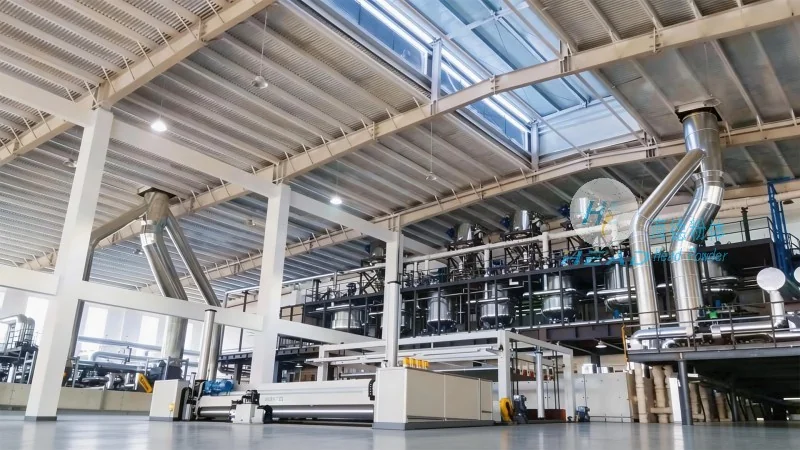
Operation Process of an Automatic Material Feeding System
The operation process of an automatic material feeding pneumatic conveying system begins with the material being loaded into the feed hopper. A feeder, such as a rotary valve or screw feeder, then regulates the flow of material from the hopper into the conveying line. The air supply system activates, generating the required airflow to transport the material. As the material travels through the conveying line, it may encounter bends, expansions, or filters, which are designed to maintain the air-material mixture's stability and prevent blockages. At the discharge point, the material is deposited into the receiving container or processing equipment. The system may also include sensors and control mechanisms to monitor flow rates, air pressure, and material levels, ensuring continuous and efficient operation.
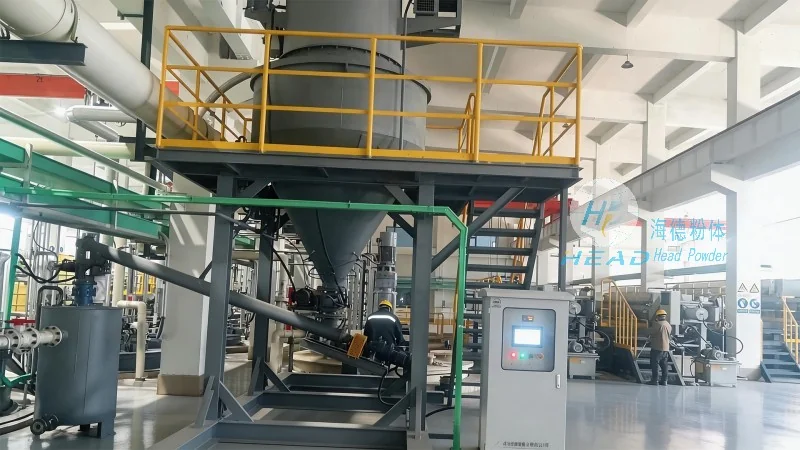
Advantages of Automatic Material Feeding Pneumatic Conveying
Automatic material feeding pneumatic conveying systems offer numerous advantages over traditional mechanical conveying methods. These include reduced labor costs due to automated material handling, improved material cleanliness and quality through enclosed systems, and increased flexibility in material transport routes. The systems are also capable of handling a wide range of materials, from fine powders to bulk solids, and can be integrated with other automated processes, such as packaging or mixing, to form a comprehensive material handling solution. Additionally, the enclosed design minimizes dust emissions, enhancing workplace safety and compliance with environmental regulations.
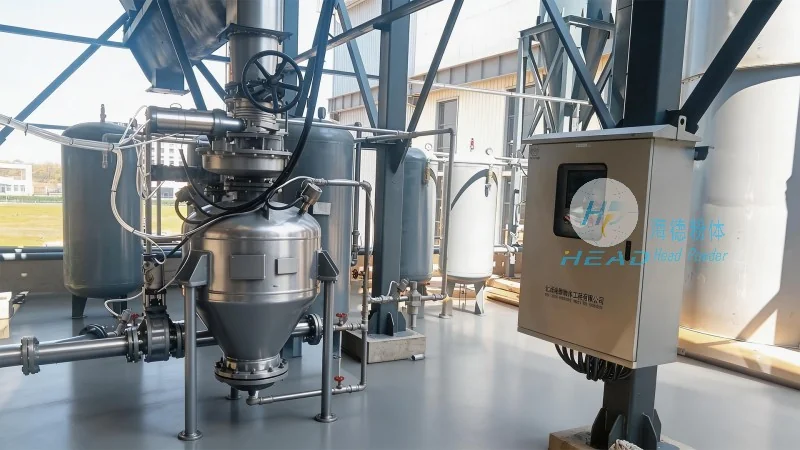
Applications and Industries
Automatic material feeding pneumatic conveying systems are widely used across various industries, including pharmaceuticals, food processing, chemical manufacturing, and mining. In the pharmaceutical industry, these systems are essential for transporting sterile powders and granules, ensuring contamination-free handling. In food processing, they are used to convey ingredients like flour, sugar, and spices, maintaining product quality and hygiene. Chemical manufacturers rely on pneumatic conveying for handling hazardous or reactive materials, while mining operations use these systems to transport ore and other bulk minerals from processing plants to storage or shipping facilities. The versatility and efficiency of these systems make them a preferred choice for industries requiring reliable and automated material transport solutions.
Conclusion
Automatic material feeding pneumatic conveying systems represent a sophisticated and efficient solution for bulk material handling in modern industrial settings. By leveraging the principles of air-based transport, these systems offer seamless integration into automated production lines, enhancing productivity and material quality. With their ability to handle diverse materials and adapt to various operational requirements, they remain a critical component of industrial material handling infrastructure. HeadPowder, with its expertise in engineering and manufacturing, continues to provide high-quality pneumatic conveying systems that meet the evolving needs of industries worldwide.




