High-pressure dense-phase material pneumatic conveying systems represent a sophisticated technology for transporting bulk materials efficiently and reliably. These systems are engineered to handle a wide range of powders and granular materials, offering advantages such as reduced material degradation, improved process control, and enhanced safety compared to traditional conveying methods. The following content provides an in-depth look at the operation process and working principles of such systems, with a focus on the technical aspects and practical applications.
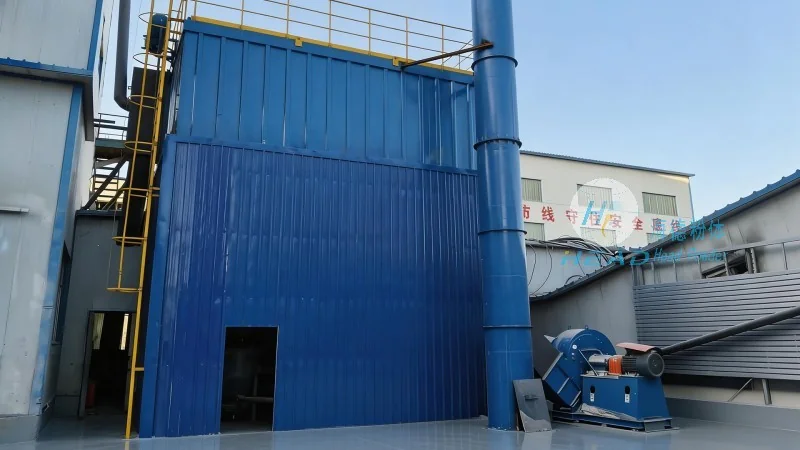
System Overview and Core Components
At the heart of a high-pressure dense-phase pneumatic conveying system is a combination of key components that work in concert to achieve effective material transport. The primary elements include a high-pressure air compressor, a material feed hopper, a conveying line (often equipped with pressure vessels or expansion chambers), and a discharge system. The high-pressure air compressor generates the necessary air pressure to create a dense phase of material in the conveying line, ensuring that the material particles are closely packed and move as a solid plug rather than a dilute cloud. This dense-phase operation minimizes particle attrition and maintains the integrity of the material being transported.
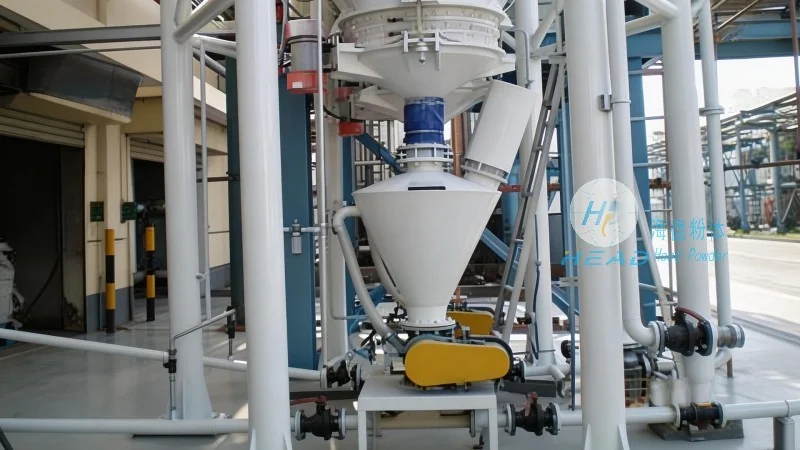
Operation Process: Step-by-Step Execution
The operation of a high-pressure dense-phase pneumatic conveying system follows a systematic sequence of steps to ensure smooth and continuous material transfer. The process typically begins with the loading of the material into the feed hopper. The material is then metered into the conveying line using a controlled feed mechanism, such as a rotary valve or a screw feeder, which regulates the flow rate to match the system's capacity. Simultaneously, the high-pressure air compressor supplies compressed air to the system, maintaining the required pressure level throughout the conveying line. As the material enters the conveying line, it mixes with the high-pressure air, forming a dense phase that travels through the pipeline. The conveying line may include pressure vessels or expansion chambers to accommodate pressure fluctuations and to ensure uniform material flow. Upon reaching the discharge point, the material is released from the system, often through a controlled valve or a cyclone separator, and is then collected in a receiving hopper or directly into the process equipment.
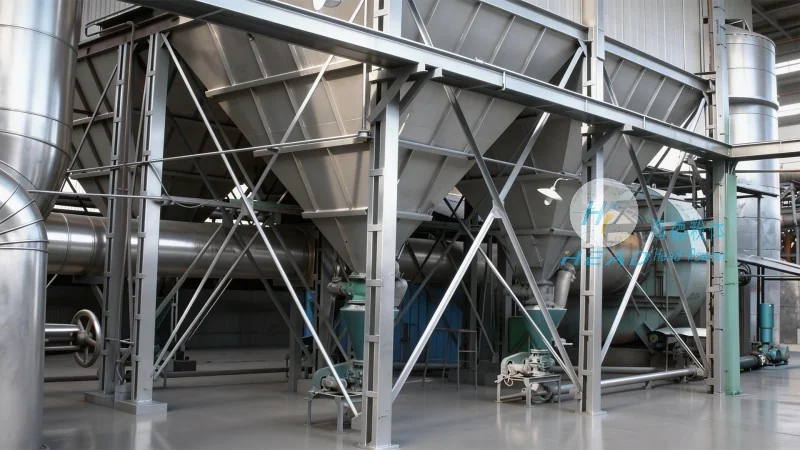
Working Principle: Physics and Engineering Fundamentals
The working principle of high-pressure dense-phase pneumatic conveying systems is rooted in fluid dynamics and particle mechanics. The system operates by creating a high-pressure environment in the conveying line, which forces the material particles to be closely packed together. This dense phase is achieved by maintaining a high air-to-material ratio, typically in the range of 0.5 to 1.5, where the air velocity is sufficient to overcome the frictional forces between particles but not so high as to cause the material to become a dilute suspension. The key to the system's efficiency lies in the "plug flow" behavior of the material, where the material moves as a solid plug through the pipeline, with minimal mixing and attrition. The pressure drop along the conveying line is managed by the system's design, which includes appropriate pipe diameters, bends, and fittings to minimize energy loss. The high-pressure air compressor provides the necessary energy to overcome these pressure losses and to maintain the material's flow through the system. The system's control system monitors parameters such as pressure, flow rate, and material level, ensuring that the operation remains stable and within the desired operating range.
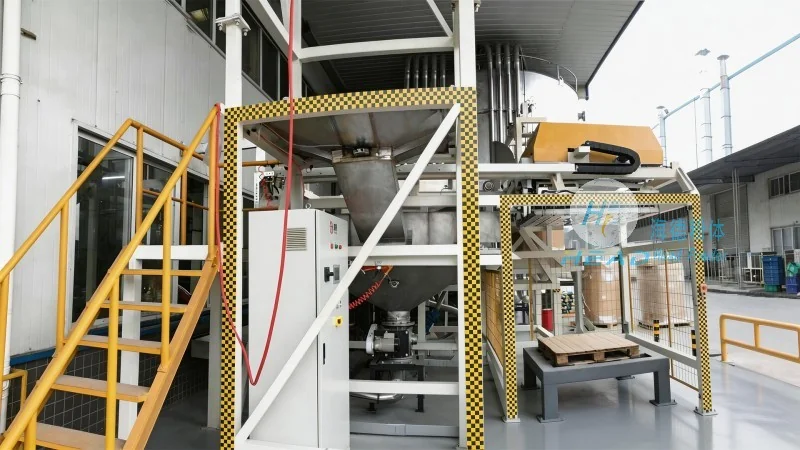
Advantages and Practical Applications
High-pressure dense-phase pneumatic conveying systems offer several advantages over conventional pneumatic conveying methods. These include reduced material degradation due to lower air velocities and less particle impact, improved process control through precise flow regulation, and enhanced safety by minimizing dust exposure and the risk of explosion. The systems are widely used in various industries, including pharmaceuticals, food processing, chemical manufacturing, and mining, for transporting materials such as powders, granules, and fine particles. The systems are particularly suitable for materials that are sensitive to moisture, temperature, or mechanical stress, as the dense-phase operation minimizes these effects. Additionally, the systems can handle materials with high moisture content or those that tend to agglomerate, as the high-pressure environment helps to break up agglomerates and maintain a uniform flow.




