HeadPowder, a leading provider in the field of powder handling technology, specializes in the design, manufacturing, and installation of advanced pneumatic conveying systems tailored for anode material applications. This article delves into the operational process and underlying principles of such systems, highlighting their efficiency, reliability, and critical role in modern material processing industries.
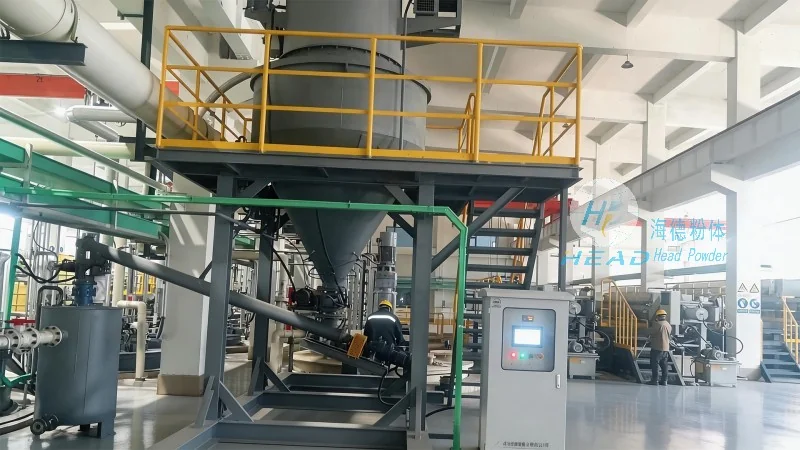
Overview of Powder Pneumatic Conveying Systems for Anode Materials
Powder pneumatic conveying systems are essential for the safe and efficient transport of anode materials, which are typically fine powders with specific chemical and physical properties. These systems utilize compressed air or other gases to move the material from a source to a destination, eliminating the need for mechanical components like belts or buckets that might cause contamination or wear. The system's design is customized to meet the unique requirements of anode material handling, ensuring optimal performance and minimal downtime.
Key Components and Their Functions
The core components of a powder pneumatic conveying system for anode materials include the material hopper, feeder, conveying line, and discharge device. Each component plays a vital role in the overall operation:
1. Material Hopper: This is the storage vessel where anode powder is held before being fed into the system. It is designed with a sloped bottom to facilitate material flow and prevent clogging. The hopper is equipped with a level indicator to monitor the material volume, ensuring consistent feeding.
2. Feeder: The feeder is responsible for controlling the flow rate of anode powder from the hopper into the conveying line. Common types include rotary valves and screw feeders, which are chosen based on the material's characteristics and the required flow rate. The feeder maintains a steady flow, preventing surges or blockages that could disrupt the system.
3. Conveying Line: The conveying line is the central part of the system where the anode powder is transported. It consists of a pipe or tube through which compressed air is introduced. The air and powder mixture travels through the line, with the air providing the necessary force to move the powder. The line is typically made of materials like stainless steel or plastic, chosen for their resistance to corrosion and wear from the anode material.
4. Discharge Device: At the end of the conveying line, the discharge device separates the anode powder from the air and directs it to the target location. This could be a storage silo, a processing unit, or a packaging system. The device is designed to minimize dust emissions and ensure the material is delivered without loss or contamination.
Working Principle of the System
The operation of a powder pneumatic conveying system for anode materials follows a systematic process. Initially, the anode powder is stored in the hopper. The feeder then regulates the flow of powder into the conveying line. Compressed air is introduced into the line, creating a pressure differential that propels the powder forward. The air and powder mixture travels through the line, with the air providing the kinetic energy needed for transport. At the discharge point, the air is separated from the powder, often using a cyclone separator or a filter, and the powder is collected in the destination container. The air, now clean, is either vented or recycled back into the system to improve efficiency.
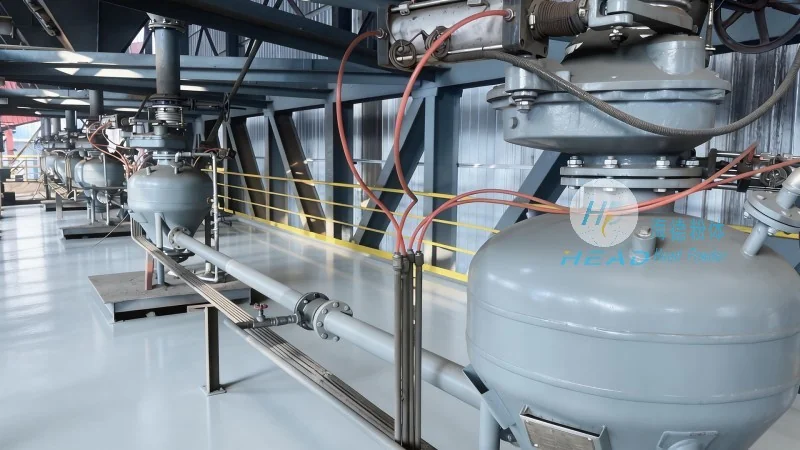
Operational Process Flow
The operational process of the system can be broken down into several sequential steps, each critical to the overall efficiency and effectiveness of the system:
1. Material Loading: Anode powder is loaded into the material hopper from a bulk container or a processing line. The hopper is filled to an appropriate level, ensuring there is enough material for continuous operation.
2. Feeding Control: The feeder is activated, and the flow rate of anode powder is adjusted based on the system's requirements. This step ensures a consistent feed rate, preventing overloading or underfeeding that could affect the conveying efficiency.
3. Compressed Air Supply: Compressed air is supplied to the conveying line at a pressure and flow rate appropriate for the material being transported. The air pressure is carefully controlled to maintain the desired velocity and prevent material degradation or blockages.
4. Powder Conveying: The anode powder is drawn into the conveying line by the air flow and transported to the discharge point. The system operates continuously, with the powder moving from the hopper to the destination in a steady stream.
5. Discharge and Collection: At the discharge end, the anode powder is separated from the air and collected in the target container. The air is then filtered or vented, completing the cycle.
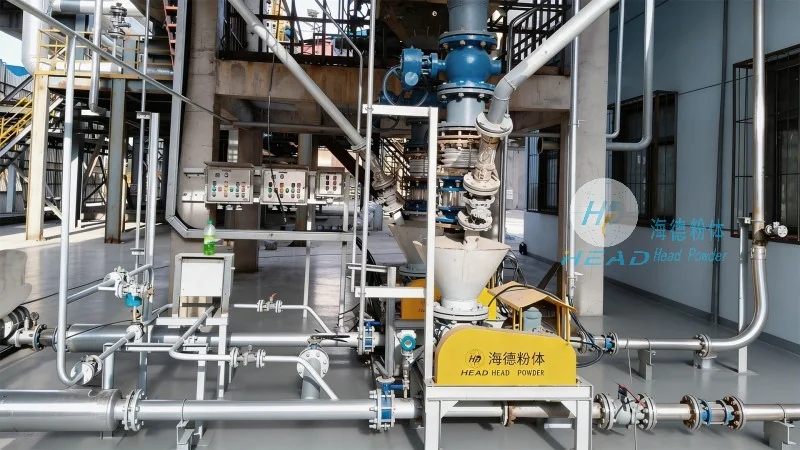
Advantages of Using Pneumatic Conveying Systems for Anode Materials
Pneumatic conveying systems offer several advantages when handling anode materials, making them a preferred choice in the industry:
1. Minimal Contamination: Unlike mechanical systems, pneumatic conveying does not involve direct contact between the material and mechanical parts, reducing the risk of contamination from lubricants or wear particles.
2. Flexibility in Layout: The system can be designed with flexible pipe layouts, allowing for complex and space-constrained installations. This flexibility is particularly useful in facilities where space is limited or where the material needs to be transported over long distances.
3. Energy Efficiency: Modern pneumatic conveying systems are designed to be energy-efficient, with optimized air flow and pressure control. This reduces operational costs and environmental impact.
4. Low Maintenance: With fewer moving parts compared to mechanical systems, pneumatic conveying systems require less maintenance, resulting in lower downtime and operational costs.
Applications in the Battery Industry
Anode materials are critical components in lithium-ion batteries, and the efficient handling of these materials is essential for the battery manufacturing process. Pneumatic conveying systems are widely used in battery production facilities to transport anode powders from storage to mixing, coating, and other processing stages. The systems ensure that the anode material is handled with precision, maintaining its quality and preventing any degradation that could affect the battery's performance.
Conclusion
HeadPowder's powder pneumatic conveying systems for anode materials are engineered to provide reliable, efficient, and safe material handling solutions. By understanding the operational process and working principles of these systems, manufacturers can optimize their production lines, reduce costs, and improve overall productivity. With a focus on quality and innovation, HeadPowder continues to lead in the development of advanced powder handling technologies, meeting the evolving needs of the battery and material processing industries.




