For industrial applications that require efficient and reliable transportation of pigment materials, understanding the operation process and working principle of a pigment material conveying system is crucial. This article provides a detailed overview of how such systems function, emphasizing the key components, operational steps, and the underlying principles that ensure smooth and effective material handling.
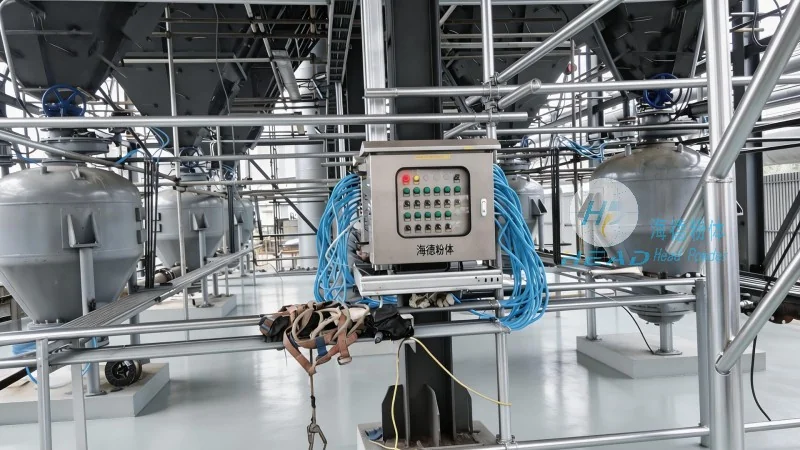
Introduction to Pigment Material Conveying Systems
Pigment material conveying systems are essential in various industries, including paint manufacturing, coatings, and colorant production. These systems are designed to transport bulk pigment powders from storage to processing units with minimal loss, contamination, and energy consumption. The effectiveness of these systems directly impacts production efficiency, product quality, and overall operational costs. By understanding the components and operational workflow, users can better appreciate the technology behind modern pigment conveying solutions.
Key Components of a Typical Pigment Conveying System
A standard pigment material conveying system comprises several critical components that work in tandem to achieve efficient material transport. These components include:
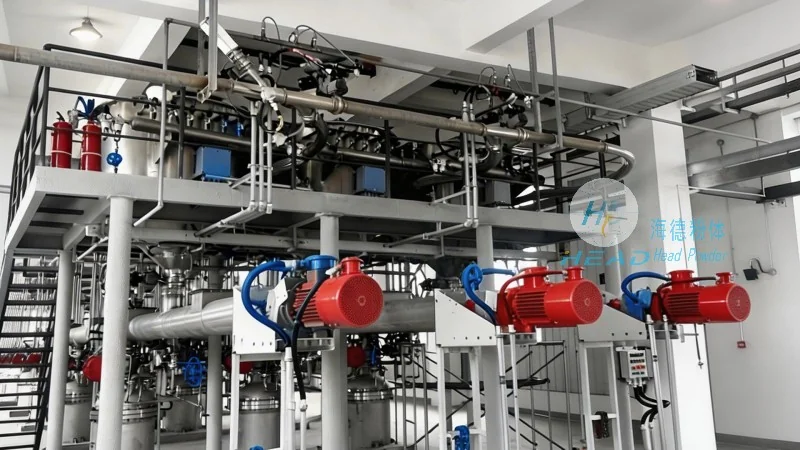
- Storage Hoppers: Large containers used to store bulk pigment powders. These hoppers are designed with features like agitators or level sensors to maintain material flow and prevent caking.
- Conveying Equipment: The core of the system, which may include pneumatic conveying lines, screw conveyors, or bucket elevators. Pneumatic systems use air pressure to move powders through pipelines, while mechanical systems rely on rotating parts to push material forward.
- Control Panels: Integrated systems that monitor and regulate the conveying process. These panels often include sensors for flow rate, pressure, and material level, ensuring precise control and preventing system failures.
- Filtering and Dust Collection: Essential for maintaining air quality and preventing dust emissions. These systems capture fine particles and return them to the conveying line or store them in designated containers.
Operation Process of Pigment Material Conveying
The operation of a pigment material conveying system typically follows a sequential process, starting from material loading to final discharge. Here is a step-by-step breakdown of the typical workflow:
- Material Loading: Pigment powders are loaded into the storage hopper from bulk bags or trucks. The hopper may have a loading port with a lid to prevent contamination and dust release.
- Initial Agitation: If the material tends to clog or agglomerate, an agitator inside the hopper is activated to break up clumps and ensure a consistent flow.
- Conveying Initiation: The system is activated, and the conveying equipment (e.g., a pneumatic blower or screw motor) starts operating. For pneumatic systems, compressed air is introduced into the hopper, creating a pressure differential that moves the material through the pipeline.
- Material Transport: The pigment powder is carried through the conveying line to the processing unit. The pipeline is usually made of materials like stainless steel or plastic to resist corrosion and prevent material buildup.
- Discharge and Dosing: At the processing unit, the material is discharged into a mixer or a dosing system. The control panel adjusts the flow rate to match production requirements, ensuring precise dosing for consistent product quality.
- System Monitoring: Throughout the process, sensors and control panels continuously monitor parameters such as pressure, flow rate, and material level. Any deviations are immediately detected and corrected to maintain system efficiency.
Working Principle of the Conveying Mechanism
The working principle of a pigment material conveying system varies depending on the type of equipment used. However, the fundamental goal is to move bulk powders from one location to another without compromising their quality. Here are the key principles behind common conveying methods:
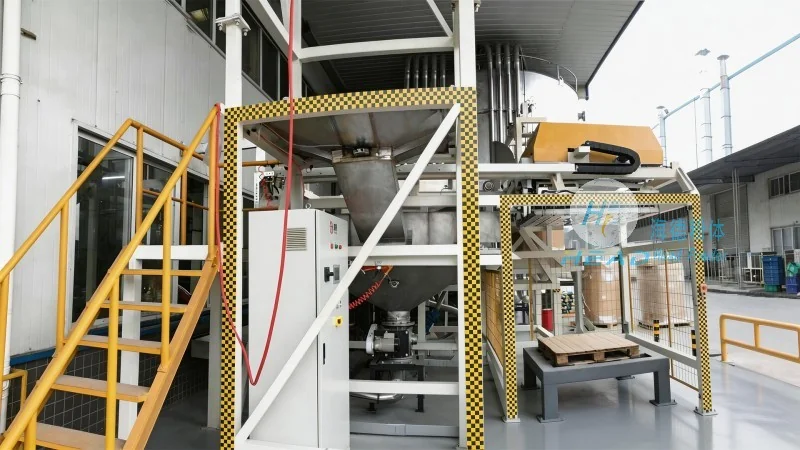
- Pneumatic Conveying (Air-Driven): This method uses compressed air to create a flow of material through a pipeline. The air pressure creates a pressure differential that pulls the powder particles along. The system typically operates in two modes: dilute phase (where particles are suspended in air) and dense phase (where particles are more concentrated). The choice of mode depends on the material's properties and the distance to be covered.
- Mechanical Conveying (Screw or Belt): Mechanical systems rely on rotating components to push or pull the material. Screw conveyors use a rotating screw inside a tube to move material forward, while bucket elevators use buckets attached to a chain to lift and transport material vertically. These systems are ideal for materials that are less prone to dust or require vertical transport.
- Hybrid Systems: Some systems combine pneumatic and mechanical components to leverage the advantages of both. For example, a pneumatic system may be used for horizontal transport, while a screw conveyor handles vertical lifting, optimizing the overall process.
Benefits and Considerations for Pigment Conveying Systems
Implementing a pigment material conveying system offers several benefits, including improved efficiency, reduced labor costs, and enhanced product quality. However, there are also considerations to keep in mind:
- Material Compatibility: The choice of conveying system depends on the properties of the pigment, such as particle size, moisture content, and flowability. For example, fine powders may require pneumatic systems to avoid clogging, while larger particles may be better suited for mechanical systems.
- Energy Efficiency: Modern systems are designed to minimize energy consumption. Pneumatic systems can be more energy-intensive due to air compression, while mechanical systems may be more efficient for short distances.
- Maintenance and Durability: The system components must be durable and easy to maintain. Stainless steel is often preferred for its resistance to corrosion and easy cleaning, especially in food or pharmaceutical applications.
- Environmental Compliance: Dust collection systems are essential to meet environmental regulations and maintain workplace safety. Proper filtration and ventilation are critical to prevent dust emissions and ensure a safe working environment.
Conclusion
Pigment material conveying systems are sophisticated pieces of equipment that play a vital role in modern industrial processes. By understanding the operation process and working principles, users can select and maintain systems that meet their specific needs. The key to success lies in choosing the right components, operating the system correctly, and monitoring its performance regularly. With proper implementation, these systems can significantly enhance production efficiency, product quality, and overall operational performance.




