Stabilizer powder material handling is a critical process in various industrial applications, ensuring the efficient and safe transport of powder materials. This article provides an in-depth look at the operation process and working principles of such systems, highlighting key components, operational procedures, and the importance of proper system design.
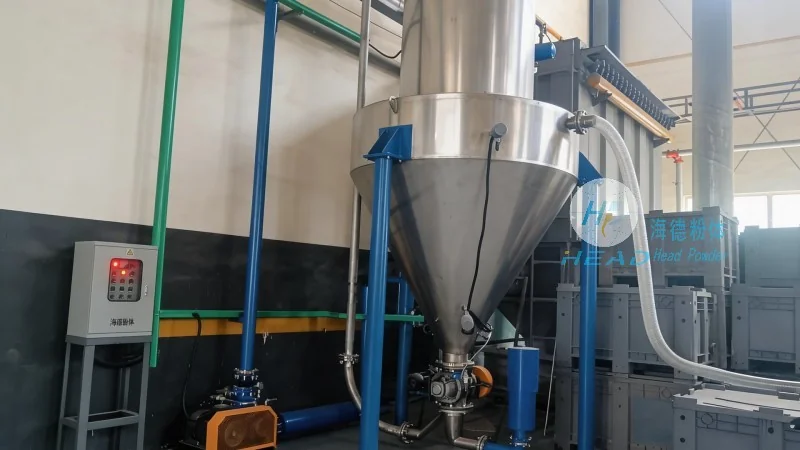
About Shandong HeadPowder Engineering Co., Ltd.
HeadPowder, a leading manufacturer in the field of powder handling technology, specializes in providing comprehensive solutions for material transport and processing. With a strong focus on innovation and quality, the company has established itself as a trusted partner for industries requiring reliable and efficient powder handling systems. HeadPowder's headquarters is located in Shandong, China, where the company leverages local expertise and resources to develop cutting-edge solutions tailored to global market needs.
Operation Process of Stabilizer Powder Material Handling
The operation process of stabilizer powder material handling typically involves several key stages, each designed to ensure the safe and efficient transport of the powder. The first stage involves the preparation of the powder, which may include blending, drying, or sieving to achieve the desired consistency and particle size. This step is crucial as it directly impacts the performance of the subsequent handling operations.
Once the powder is prepared, it is fed into the material handling system. This is often done using a hopper or a feeder, which ensures a consistent flow rate. The feeder may be a rotary valve, a vibratory feeder, or a screw feeder, depending on the specific requirements of the application. The choice of feeder type is critical as it affects the uniformity of the material flow and the overall system efficiency.
After the powder is fed into the system, it is transported through a pipeline or a conveyor system. The most common method for transporting powder materials is pneumatic conveying, which uses compressed air to move the powder. This method is particularly effective for fine powders and can handle long distances with minimal pressure loss. Alternatively, mechanical conveying systems such as belt conveyors or screw conveyors may be used for bulkier materials or when the distance is shorter.
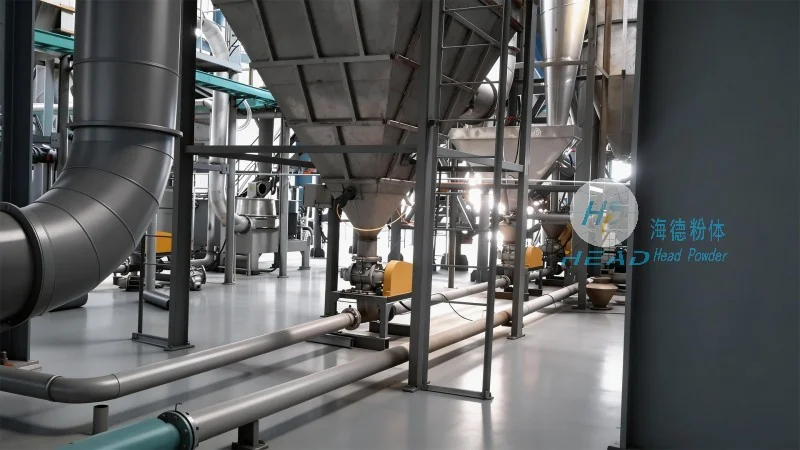
During the transport process, the powder may pass through various components such as filters, cyclones, or separators to remove any impurities or moisture. These components are essential for maintaining the quality of the powder and preventing blockages or system failures. The system also includes control mechanisms to monitor the flow rate, pressure, and temperature, ensuring that the operation remains within safe and optimal parameters.
The final stage of the operation involves the discharge of the powder into the target container or processing unit. This is typically done using a discharge valve or a hopper, which allows the powder to be released in a controlled manner. The discharge process is carefully managed to prevent dust generation and ensure that the powder is delivered accurately to the next stage of the production process.
Working Principles of Stabilizer Powder Material Handling Systems
The working principles of stabilizer powder material handling systems are based on the fundamental physics of powder flow and fluid dynamics. The primary goal is to maintain the powder in a fluidized or suspended state, allowing it to be transported through the system without clogging or segregation. This is achieved by applying the appropriate pressure or velocity to the powder, ensuring that it remains in a state where it behaves like a fluid.
One of the key principles is the concept of "fluidization," where the powder is made to flow like a liquid by introducing air or gas through the material. This principle is widely used in pneumatic conveying systems, where the powder is suspended in the air stream and transported through the pipeline. The velocity of the air stream is critical, as it must be sufficient to keep the powder particles suspended but not so high as to cause excessive pressure drop or energy consumption.
Another important principle is the prevention of powder segregation, which occurs when different particle sizes or densities separate during transport. This can lead to uneven flow and reduced system performance. To mitigate this, the system design incorporates features such as uniform feeding, gentle handling, and the use of appropriate conveying velocities. Additionally, the use of mixers or agitators in the feeding stage can help to break up any agglomerates and ensure a homogeneous mixture.
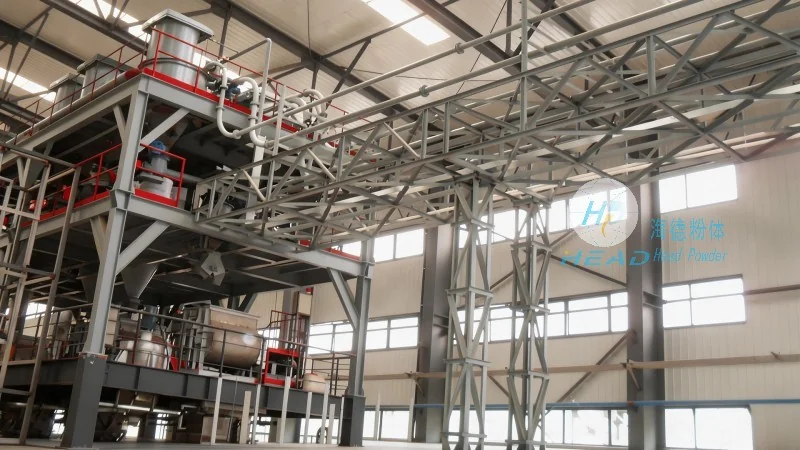
The system also relies on the principle of "pressure drop" management. As the powder moves through the pipeline, friction between the powder particles and the pipe walls causes a pressure drop. This pressure drop must be maintained within acceptable limits to ensure that the system operates efficiently and without excessive energy consumption. Proper pipe sizing, smooth surfaces, and the use of appropriate fittings are essential for minimizing pressure drop and maximizing system performance.
Furthermore, the working principles include the control of dust and moisture. Powder handling systems are prone to generating dust, which can be a health and safety hazard. To mitigate this, the system incorporates dust collection and filtration systems. Moisture control is also important, as moisture can affect the flow properties of the powder and lead to clogging or corrosion. The system may include drying or dehumidification components to maintain the powder's quality and prevent moisture-related issues.
Company Overview and Expertise
Shandong HeadPowder Engineering Co., Ltd. is a leading provider of powder handling solutions, with a strong commitment to quality and innovation. The company's expertise lies in the design, manufacturing, and installation of material handling systems tailored to the specific needs of various industries, including chemical, pharmaceutical, food, and mining. HeadPowder's team of engineers and technicians brings years of experience in powder technology, ensuring that each system is optimized for performance, reliability, and safety.
The company's products and services cover a wide range of applications, from small-scale laboratory systems to large-scale industrial plants. HeadPowder's solutions are designed to meet the highest standards of efficiency and durability, with a focus on reducing operational costs and improving overall productivity. The company's customer-centric approach ensures that each project is handled with care, from initial consultation to final installation and after-sales support.




