Positive pressure dense phase material handling systems represent a sophisticated approach to transporting bulk materials efficiently and reliably. These systems are widely utilized across various industries, including chemical, pharmaceutical, food processing, and mining, due to their ability to handle a wide range of materials with minimal product degradation and high operational efficiency.
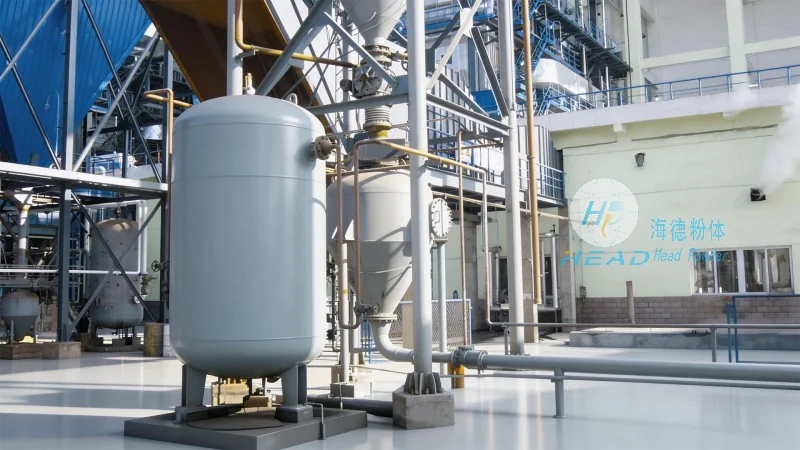
Working Principle of the System
The core principle of a positive pressure dense phase material handling system involves the use of compressed air to create a dense, slurry-like flow of material within a pipeline. This is achieved by injecting air into the material stream at a controlled rate, which reduces the particle velocity and increases the material's density. The resulting flow is characterized by a high solids concentration and low air velocity, which minimizes the risk of material segregation and ensures a smooth, continuous transport.
Key Components and Their Functions
Several critical components work in tandem to ensure the effective operation of a positive pressure dense phase system. These include the material feeder, which introduces the bulk material into the system; the air injection unit, which supplies the compressed air to create the dense phase flow; the pipeline system, which conveys the material; and the control system, which regulates the air flow and material feed rate to maintain optimal operating conditions.
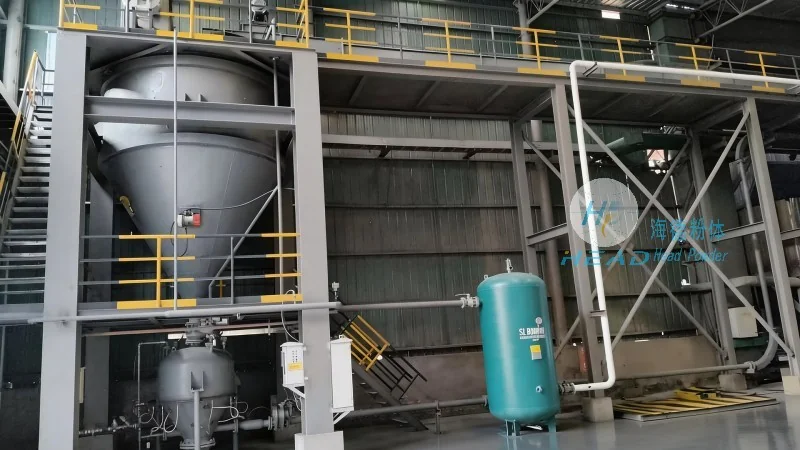
Operation Process: Step-by-Step Overview
The operation of a positive pressure dense phase material handling system typically follows a structured sequence. First, the bulk material is fed into the system through the material feeder, which may be a screw feeder, rotary valve, or other appropriate device. Simultaneously, compressed air is introduced into the pipeline at a controlled pressure and flow rate. The air mixes with the material, creating a dense phase flow that moves through the pipeline to the discharge point. The control system continuously monitors parameters such as pressure, flow rate, and material level to adjust the air and material feed rates as needed, ensuring stable and efficient operation.
Advantages of Positive Pressure Dense Phase Systems
Positive pressure dense phase material handling systems offer several advantages over traditional pneumatic conveying methods. These include reduced material degradation due to lower particle velocities, improved product quality by minimizing segregation and agglomeration, and enhanced safety by operating under positive pressure, which prevents external air from entering the system and contaminating the material. Additionally, these systems are capable of handling a wide range of materials, including fine powders, granules, and bulk solids, with high throughput and low maintenance requirements.
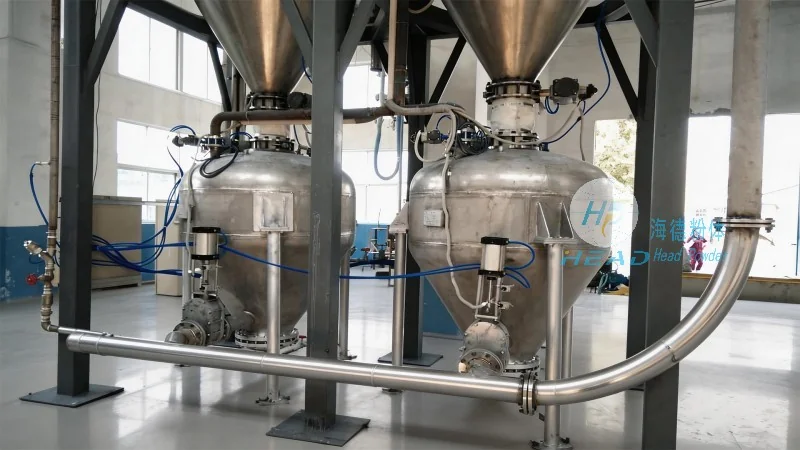
Applications and Industries
Positive pressure dense phase material handling systems are employed in diverse industrial applications. In the chemical industry, they are used to transport reactive powders and chemicals with precision. In the pharmaceutical sector, they ensure the safe and hygienic handling of active pharmaceutical ingredients (APIs) and other sensitive materials. The food processing industry utilizes these systems for transporting powders like flour, sugar, and spices, maintaining product quality and safety standards. Mining and mineral processing also benefit from these systems for transporting ore and other bulk materials from processing plants to storage or further processing facilities.
Company Profile: Shandong HeadPowder Engineering Co., Ltd.
Shandong HeadPowder Engineering Co., Ltd., commonly known as HeadPowder, is a leading manufacturer and supplier of advanced material handling solutions. With a focus on innovation and quality, the company specializes in designing and manufacturing positive pressure dense phase material handling systems tailored to the specific needs of various industries. HeadPowder's products are engineered to meet stringent industry standards, ensuring reliability, efficiency, and safety in material transport operations. The company's headquarters is located in Shandong, China, where it operates a state-of-the-art manufacturing facility and research and development center.




