Positive pressure blowing type powder conveying machines are essential equipment in the powder handling industry, designed to transport bulk powders efficiently and reliably. This article provides a detailed overview of the operation process and working principle of such machines, highlighting their key components, operational steps, and the underlying technology that enables effective powder transport. The information is presented by Shandong HeadPowder Engineering Co., Ltd., a leading manufacturer based in Shandong, China.
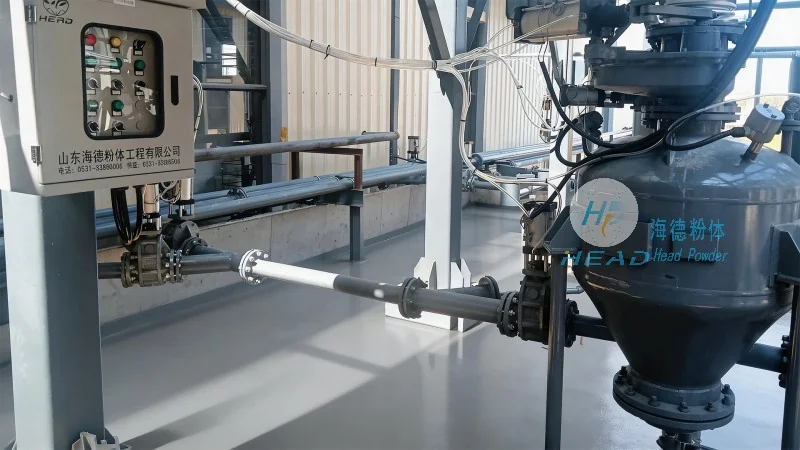
Introduction to Positive Pressure Blowing Type Powder Conveying Machines
Positive pressure conveying systems are widely used for transporting dry powders, granules, and other particulate materials over long distances or through complex layouts. Unlike negative pressure (suction) systems, positive pressure machines operate by generating a higher pressure inside the conveying line than the ambient air pressure. This pressure differential ensures that powders are pushed through the system, minimizing the risk of material degradation and ensuring consistent flow rates. The design of these machines is tailored to handle various types of powders, including fine powders, cohesive materials, and those that are prone to caking or segregation.
Key Components of a Positive Pressure Powder Conveying System
The core components of a positive pressure blowing type powder conveying machine typically include a blower or air compressor, a hopper or feed hopper for material storage, a rotary valve or feeder to control the flow of powder into the conveying line, a pipeline system with appropriate fittings and elbows, and a dust collector or filter to capture any airborne particles. Each component plays a critical role in the overall operation of the system. The blower provides the necessary air pressure to move the powder, while the feeder ensures a steady and controlled supply of material. The pipeline system is designed to handle the pressure and flow requirements, and the dust collector maintains air quality and prevents contamination.
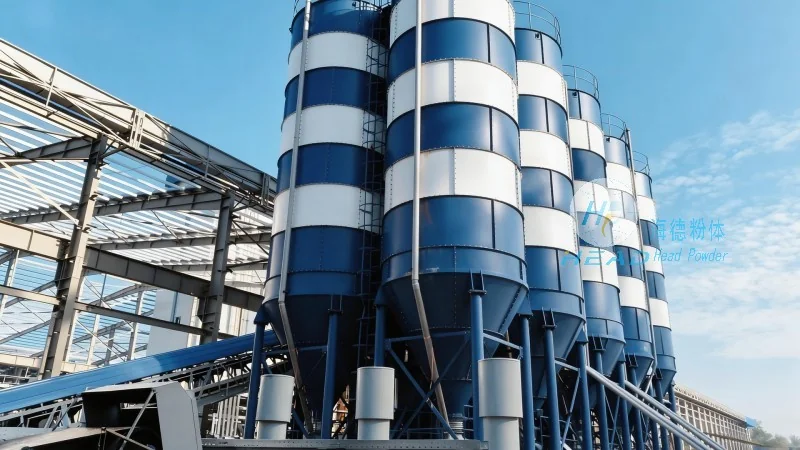
Working Principle of Positive Pressure Powder Conveying
The working principle of a positive pressure blowing type powder conveying machine is based on the principle of air pressure and particle suspension. When the blower is activated, it generates a high-pressure air stream that is directed into the conveying line. The air stream then picks up the powder from the hopper and transports it through the pipeline. The velocity of the air is carefully controlled to ensure that the powder particles are suspended in the air stream without being damaged or deformed. The pressure inside the pipeline is maintained above atmospheric pressure, which prevents external air from entering and causing material leakage or contamination. As the powder travels through the system, it is directed towards the discharge point, where it is collected in a receiving container or further processed.
Operation Process of Positive Pressure Powder Conveying Machines
The operation process of a positive pressure blowing type powder conveying machine involves several sequential steps. First, the hopper is filled with the powder material to be conveyed. The rotary valve or feeder is then adjusted to control the flow rate of the powder into the conveying line. Next, the blower is started, and the air pressure is increased to the required level. The air stream then picks up the powder from the hopper and transports it through the pipeline. The powder is then discharged at the receiving end, where it is collected. The system is typically equipped with sensors and controls to monitor the pressure, flow rate, and other parameters, ensuring optimal performance and preventing any issues such as blockages or overloading. The entire process is automated and can be controlled remotely, allowing for efficient and consistent operation.
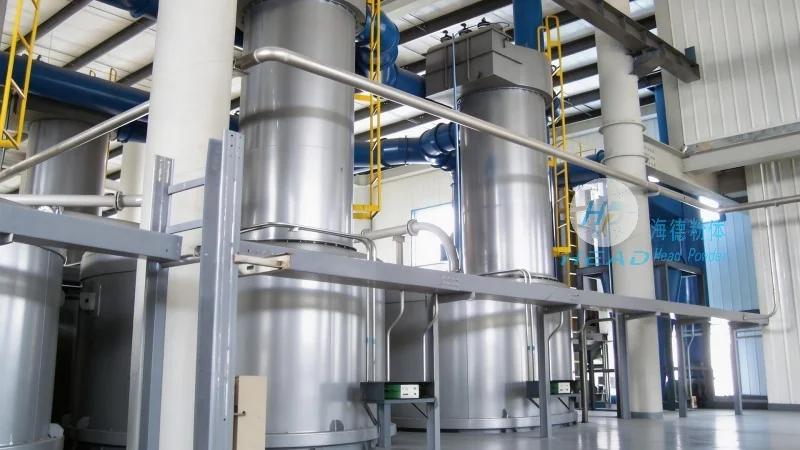
Advantages of Positive Pressure Blowing Type Powder Conveying Machines
Positive pressure blowing type powder conveying machines offer several advantages over other conveying methods. One of the key benefits is their ability to handle a wide range of powder types, including fine and cohesive materials, without causing degradation or segregation. The high-pressure air stream ensures that the powder is transported in a uniform manner, maintaining the integrity of the material. Another advantage is the reduced risk of contamination, as the system operates under positive pressure, preventing external air from entering and carrying contaminants into the material. Additionally, these machines can transport powders over long distances and through complex layouts, making them suitable for various industrial applications. The compact design and relatively low maintenance requirements also make them a cost-effective solution for many powder handling needs.
Applications of Positive Pressure Powder Conveying Systems
Positive pressure blowing type powder conveying machines are used in a variety of industries, including pharmaceuticals, food processing, chemical manufacturing, and mining. In the pharmaceutical industry, they are used to transport active ingredients and excipients with high precision and minimal contamination. In food processing, they are used to convey powders such as flour, sugar, and spices, ensuring consistent quality and safety. In chemical manufacturing, they are used to transport raw materials and finished products, often in hazardous environments. In mining, they are used to transport ore and other bulk materials from the mine to processing facilities. The versatility and reliability of these machines make them an essential part of modern powder handling operations.
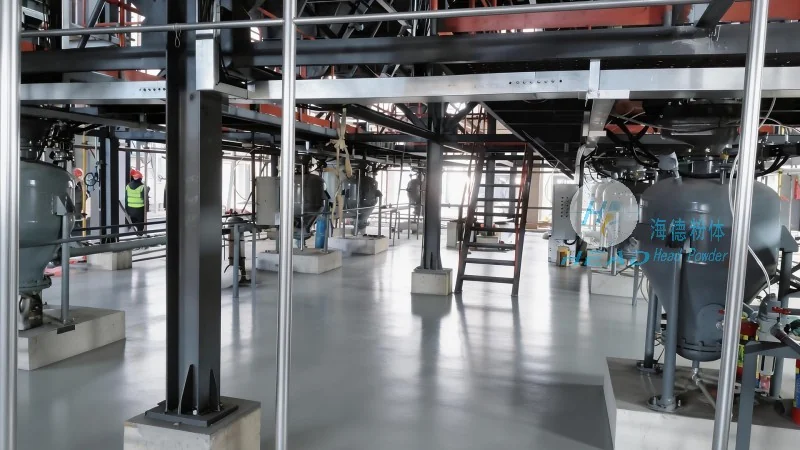
Maintenance and Safety Considerations
Maintaining the proper operation of a positive pressure blowing type powder conveying machine is crucial for ensuring efficiency and safety. Regular maintenance includes checking the blower and air compressor for proper operation, inspecting the pipeline for blockages or leaks, and cleaning the dust collector and filters to prevent clogging. Safety considerations are also important, as the system operates under high pressure and can pose a risk of injury or equipment damage if not handled properly. Proper training for operators and regular safety inspections are essential to minimize these risks. Additionally, the system should be equipped with safety features such as pressure relief valves and emergency stop buttons to ensure safe operation.
Conclusion
Positive pressure blowing type powder conveying machines are a reliable and efficient solution for transporting bulk powders in various industrial applications. The operation process and working principle of these machines involve the coordinated action of several components, including a blower, feeder, and pipeline system, all working together to move powder under positive pressure. The advantages of these systems, including their ability to handle a wide range of materials and operate under positive pressure, make them a preferred choice for many industries. With proper maintenance and safety measures, these machines can provide long-term, reliable performance, contributing to the overall efficiency and productivity of powder handling operations. Shandong HeadPowder Engineering Co., Ltd. specializes in the design and manufacturing of such equipment, providing high-quality solutions for the powder handling industry.




