Continuous powder conveyors are essential equipment in various industrial sectors, designed to transport bulk powders efficiently and reliably. These systems are widely used in pharmaceuticals, food processing, chemical manufacturing, and other industries where precise material handling is critical. The operation of continuous powder conveyors involves a series of steps that ensure smooth and consistent material flow from the source to the destination. Understanding the operation process and working principle is crucial for optimizing performance and maintaining efficiency in industrial applications.
Key Components of Continuous Powder Conveyors
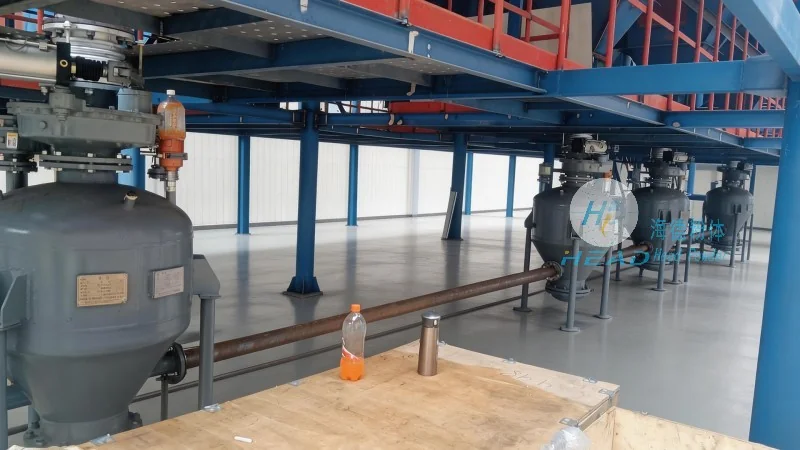
At the core of a continuous powder conveyor system are several key components that work together to facilitate material transport. The primary components include a hopper for material storage, a conveyor mechanism (such as a screw or pneumatic system), a control system for operation, and a discharge outlet for the final product. Each component plays a vital role in the overall functionality of the conveyor. The hopper ensures a steady supply of material, while the conveyor mechanism provides the force needed to move the powder. The control system allows for precise regulation of speed and flow, and the discharge outlet directs the material to its intended destination. These components are typically constructed from materials like stainless steel or food-grade plastics, depending on the application requirements, to ensure durability and compliance with industry standards.
Operation Process of Continuous Powder Conveyors
The operation process of a continuous powder conveyor begins with the loading of material into the hopper. The material is then fed into the conveyor mechanism, which moves it along the system. The speed of the conveyor can be adjusted to control the flow rate, ensuring that the material is transported at the desired rate. The control system monitors the flow and adjusts parameters as needed to maintain consistent performance. As the material moves through the conveyor, it is transported to the discharge outlet, where it is collected and used in the next stage of production. This continuous process allows for uninterrupted material handling, reducing downtime and increasing productivity. The operation is typically automated, with minimal human intervention required, making it suitable for high-volume industrial applications.
Working Principle of Continuous Powder Conveyors
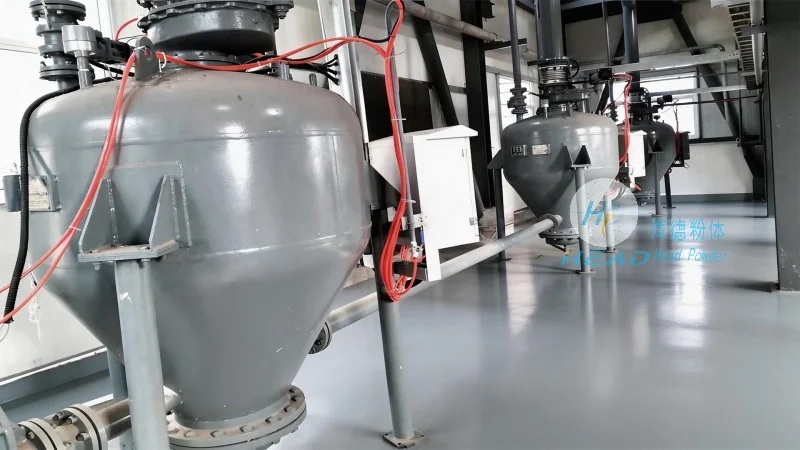
The working principle of continuous powder conveyors is based on the application of force to move bulk materials. In screw conveyors, for example, a rotating screw (or auger) pushes the material forward through a tube. The rotation of the screw creates a pressure gradient that propels the powder along the conveyor. In pneumatic conveyors, compressed air is used to create a flow of air that carries the powder particles through a pipeline. The air flow is controlled to maintain a consistent velocity, ensuring that the material is transported without segregation or degradation. The working principle is designed to minimize material degradation and maintain product quality. The system is also equipped with safety features, such as pressure relief valves and emergency stop buttons, to prevent accidents and ensure operator safety. Understanding the working principle helps in selecting the appropriate conveyor type for specific applications and in troubleshooting common issues that may arise during operation.
Benefits of Using Continuous Powder Conveyors
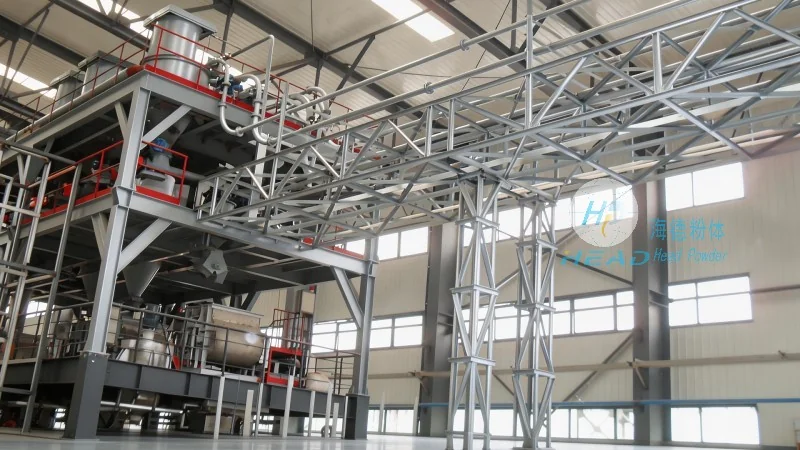
Continuous powder conveyors offer several benefits that make them a preferred choice in industrial settings. One of the main advantages is their ability to handle large volumes of material with high efficiency. The continuous operation reduces downtime and increases production throughput, leading to higher productivity. Another benefit is the precision in material handling, which is crucial in industries like pharmaceuticals and food processing where product quality is paramount. The systems are also designed to minimize material segregation and degradation, preserving the integrity of the product. Additionally, continuous conveyors are flexible and can be customized to fit specific operational requirements, such as varying flow rates or material types. The use of stainless steel or food-grade materials ensures hygiene and compliance with regulatory standards, making them suitable for sensitive applications. Overall, continuous powder conveyors enhance operational efficiency, reduce costs, and improve product quality, making them an essential investment for many industries.
Applications of Continuous Powder Conveyors
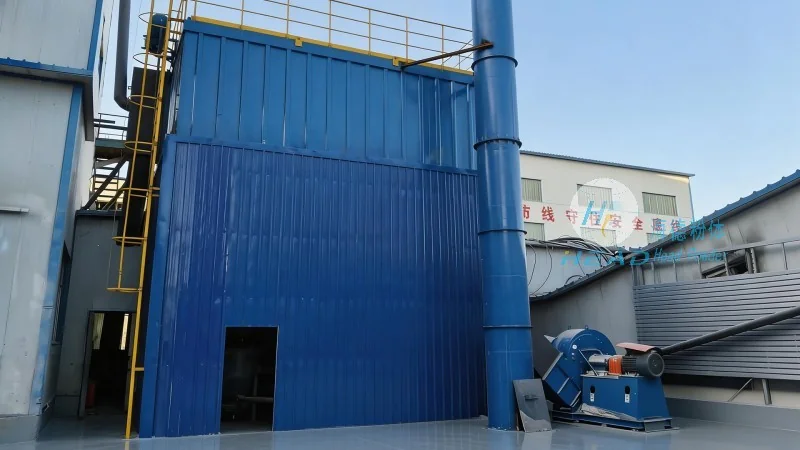
Continuous powder conveyors are used in a wide range of applications across various industries. In the pharmaceutical industry, they are used to transport active pharmaceutical ingredients (APIs) and excipients with high precision, ensuring that the final product meets quality standards. In food processing, they handle powders like flour, sugar, and spices, maintaining hygiene and preventing contamination. The chemical manufacturing industry uses these conveyors to transport raw materials and intermediates, facilitating smooth production processes. Other applications include in the agricultural sector for handling fertilizers and in the cosmetics industry for transporting powders used in product formulations. The versatility of continuous powder conveyors makes them suitable for diverse industrial needs, from small-scale operations to large-scale manufacturing facilities. Each application requires careful consideration of the material properties and operational conditions to select the appropriate conveyor design and configuration.
Maintenance and Troubleshooting of Continuous Powder Conveyors
Maintaining the performance of continuous powder conveyors is essential to ensure long-term reliability and efficiency. Regular maintenance includes cleaning the hopper and conveyor mechanism to prevent material buildup and blockages. Lubrication of moving parts is also necessary to reduce wear and tear, extending the lifespan of the equipment. Monitoring the system for signs of wear, such as increased noise or reduced flow, can help identify potential issues before they become major problems. Troubleshooting common issues, such as clogs or uneven flow, involves checking the hopper level, adjusting the conveyor speed, and inspecting the material for moisture or contaminants. If a clog occurs, the system may need to be stopped and cleared manually, or automated cleaning mechanisms may be used. Regular maintenance and proper troubleshooting help in preventing downtime and ensuring that the conveyor operates at optimal performance levels. The manufacturer, Shandong HeadPowder Engineering Co., Ltd., provides maintenance services and technical support to assist users in keeping their equipment in good working condition.




