Release time:2026-09-20 03:01:36
name of the company:Shandong Headpowder Engineering Co., Ltd.
telephone:156-6277-7102
contacts:Zhang manager
For industrial operations dealing with petroleum coke, efficient material handling is crucial. The pneumatic conveying equipment designed for this specific application plays a vital role in ensuring smooth and reliable transport of coke particles. This article explores the fundamental principles behind such systems and highlights the key characteristics of their working environments, providing insights into how these technologies enhance operational efficiency in industrial settings.
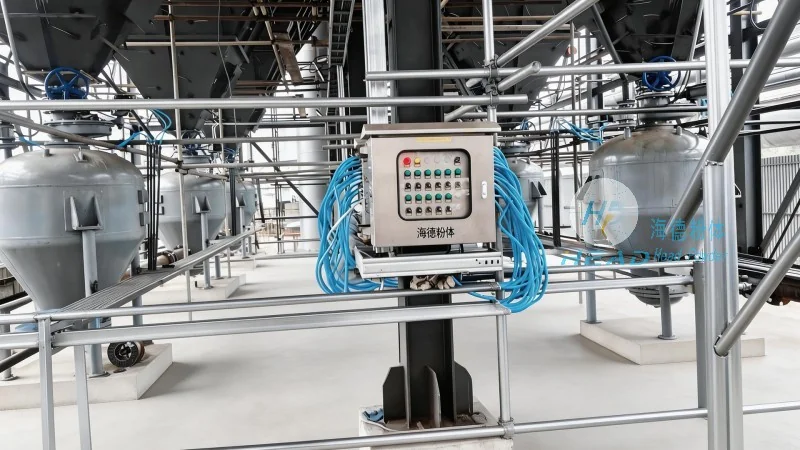
HeadPowder Engineering: A Leader in Pneumatic Conveying Solutions
Shandong HeadPowder Engineering Co., Ltd., based in Shandong, China, specializes in the design, manufacturing, and implementation of advanced pneumatic conveying systems tailored for various industrial materials, including petroleum coke. With years of experience in the field, HeadPowder has developed a comprehensive range of solutions that meet the unique demands of different industrial applications, ensuring optimal performance and reliability.
The Core Principle of Pneumatic Conveying for Petroleum Coke
Pneumatic conveying systems operate on the principle of using air or gas to transport solid materials through a pipeline. In the case of petroleum coke, which is a byproduct of the coking process with high density and abrasive properties, specialized equipment is required to handle these characteristics effectively. The system typically involves a blower or compressor that generates airflow, which then pulls or pushes the coke particles through the pipeline. This method eliminates the need for mechanical components like belts or buckets, reducing maintenance costs and increasing operational safety.
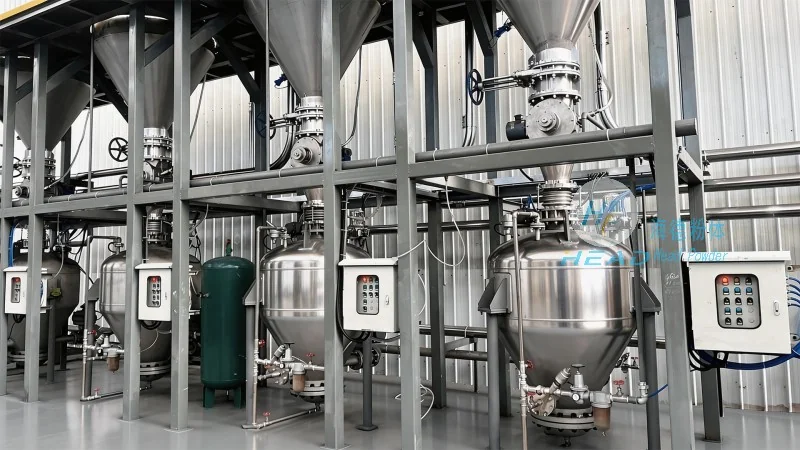
Key Working Scene Characteristics of Petroleum Coke Pneumatic Conveying
The working environments where petroleum coke pneumatic conveying systems are deployed have distinct characteristics that influence system design and performance. These include high material flow rates, often requiring high-capacity blower systems to maintain consistent transport. The abrasive nature of petroleum coke necessitates the use of durable materials for pipeline components, such as stainless steel or special coatings, to prevent wear and extend equipment lifespan. Additionally, the systems are designed to handle varying particle sizes and moisture content, ensuring stable and efficient transport under different operational conditions.
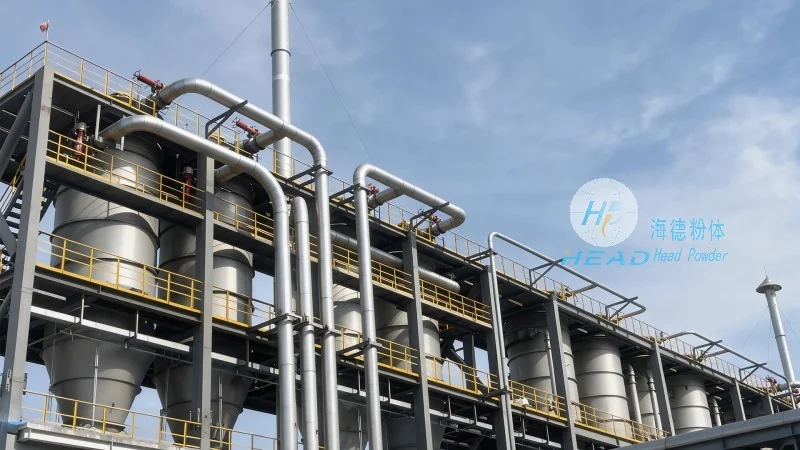
Application Scenarios and Operational Benefits
Petroleum coke pneumatic conveying systems are widely used in various industrial processes, including coke handling in steel and chemical plants, material transport between storage silos and processing units, and integration with other production lines. The benefits of using such systems include reduced labor costs due to automated material handling, minimized material loss and contamination, and improved safety by eliminating manual handling of heavy or hazardous materials. Furthermore, the flexibility of pneumatic conveying allows for easy integration with existing infrastructure, making it a cost-effective solution for upgrading or expanding industrial operations.
Conclusion and Company Commitment
As a leading provider of pneumatic conveying solutions, Shandong HeadPowder Engineering Co., Ltd. continues to innovate and refine its technologies to meet the evolving needs of the industrial sector. By understanding the unique challenges associated with petroleum coke handling, HeadPowder develops tailored systems that optimize performance, reliability, and efficiency. The principles and characteristics discussed in this article underscore the importance of specialized equipment in enhancing industrial operations, and HeadPowder remains committed to delivering high-quality solutions that drive operational success for its clients.




