Styrene material pneumatic conveyors are specialized equipment designed to transport styrene-based materials efficiently and safely. These systems are integral to industrial processes where the handling of styrene, a key monomer in the production of polystyrene and other polymers, requires precise and reliable material movement. The technology behind these conveyors leverages pneumatic principles to move materials through a sealed system using air pressure or vacuum, ensuring minimal product degradation and contamination.
Pneumatic Conveying Principle
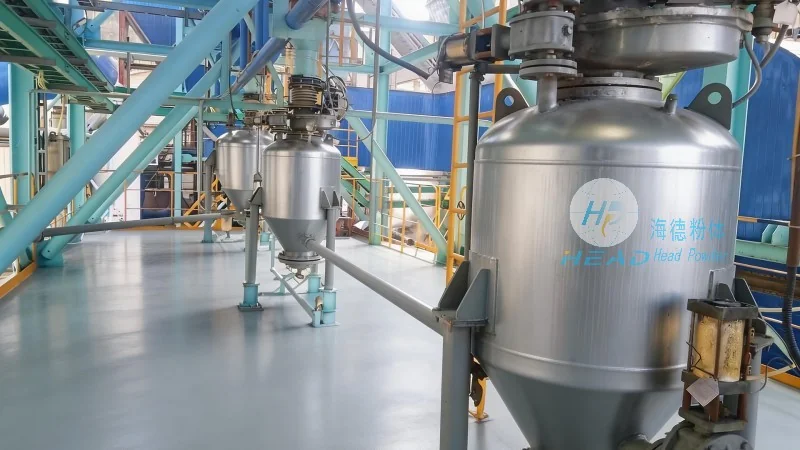
The core principle of styrene material pneumatic conveyors is the use of air as the conveying medium. In this system, styrene particles are introduced into a pipeline where they are carried by a stream of air. The system can operate under positive pressure (where air is forced through the pipe) or negative pressure (where air is drawn out, creating a vacuum). The choice of pressure type depends on the specific application, material characteristics, and the distance over which the material needs to be transported. For styrene, which is often in the form of granules or pellets, positive pressure systems are commonly preferred due to their ability to handle abrasive materials and maintain consistent flow rates. The air velocity within the pipeline is carefully controlled to ensure that the styrene particles remain suspended and move smoothly without causing excessive wear on the system components. This principle allows for a continuous, automated process that minimizes manual handling and reduces the risk of product exposure to external contaminants.
Working Scenario Characteristics
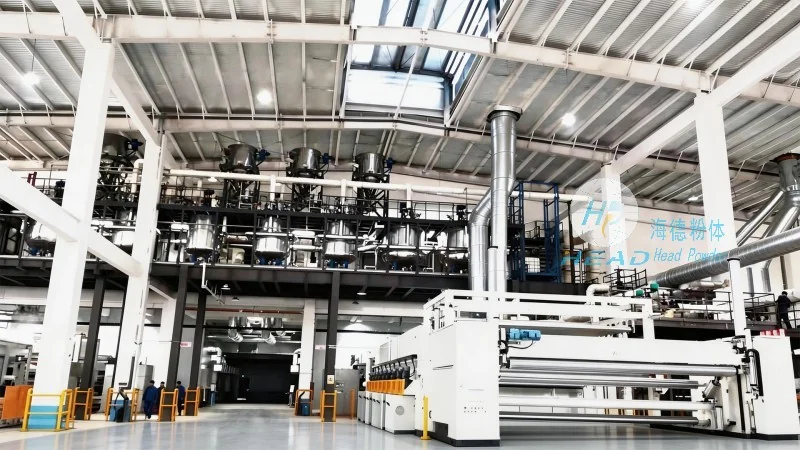
Styrene material pneumatic conveyors are deployed in various industrial scenarios, each with distinct characteristics that influence the design and operation of the system. One common application is in the petrochemical and polymer manufacturing industries, where styrene is used as a raw material for producing polystyrene, styrene-butadiene rubber (SBR), and other synthetic polymers. In these settings, the conveyors are integrated into production lines that require the seamless transfer of styrene from storage silos to processing units, such as reactors or extruders. The working scenario often involves high-volume material handling, with the conveyor system designed to handle large batches of styrene efficiently. Another scenario is in the packaging and molding sectors, where styrene-based plastics are processed into finished products like containers, toys, or automotive parts. Here, the pneumatic conveyor may be used to transport finished or semi-finished styrene products from molding machines to packaging lines, ensuring a smooth transition between production stages. The characteristics of these working scenarios include the need for precise control over material flow, minimal downtime, and compliance with safety regulations related to handling volatile or flammable materials like styrene. Additionally, the system must be capable of handling varying particle sizes and densities, as styrene can be produced in different forms, such as fine powders or larger pellets. The working environment may also involve high temperatures or exposure to chemicals, which requires the conveyor components to be made from corrosion-resistant materials, such as stainless steel or specialized polymers, to ensure durability and longevity.
Key Features and Advantages
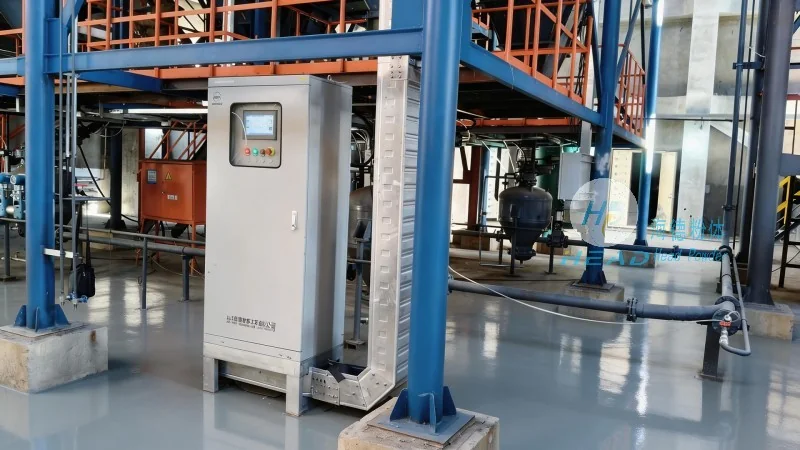
Styrene material pneumatic conveyors from Shandong HeadPowder Engineering Co., Ltd. offer several key features that make them suitable for demanding industrial applications. These systems are designed with robust construction to withstand the abrasive nature of styrene particles, which can cause wear on traditional conveyor components. The use of high-quality materials, such as wear-resistant liners and durable pumps, ensures that the equipment maintains its performance over extended periods. Another advantage is the ability to operate in a closed system, which prevents the release of styrene dust or fumes into the environment, enhancing workplace safety and compliance with environmental regulations. The closed-loop design also minimizes product loss and contamination, which is critical in industries where styrene purity is essential for downstream processes. Furthermore, these conveyors are equipped with advanced control systems that allow for real-time monitoring of flow rates, pressure, and material levels. This enables operators to adjust the system parameters dynamically, optimizing performance and reducing energy consumption. The compact design of the systems makes them suitable for installation in confined spaces, which is common in modern industrial facilities where space is at a premium. Overall, the combination of efficiency, reliability, and safety makes styrene material pneumatic conveyors a preferred choice for industries relying on styrene-based materials.
Conclusion
In conclusion, styrene material pneumatic conveyors are essential equipment for the efficient and safe handling of styrene in various industrial applications. The pneumatic conveying principle, combined with specialized design features, allows these systems to meet the demanding requirements of the petrochemical, polymer, and packaging industries. By leveraging advanced technology and robust construction, companies like Shandong HeadPowder Engineering Co., Ltd. provide reliable solutions that enhance productivity, reduce operational costs, and ensure compliance with safety and environmental standards. As the demand for styrene-based products continues to grow, the role of these conveyors in streamlining material handling processes becomes increasingly critical, making them a vital component of modern industrial operations.




