HeadPowder, a leading provider of material handling solutions, specializes in the design and implementation of pneumatic conveying systems tailored for refractory materials. This article explores the fundamental principles behind these systems and highlights the key characteristics of their operational environments.
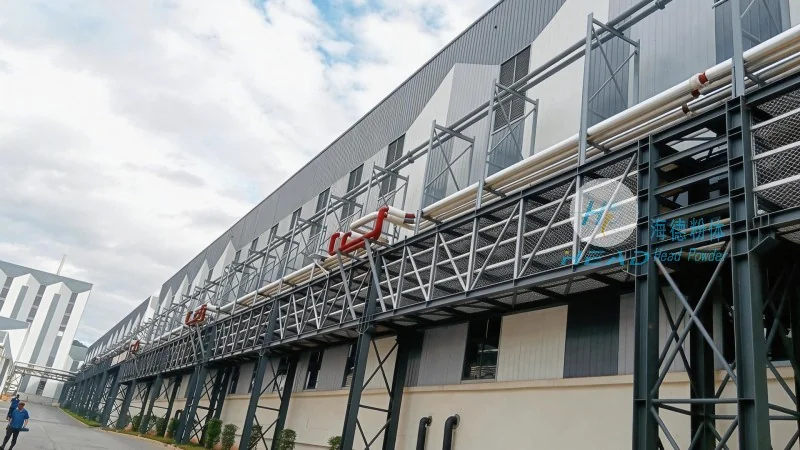
Introduction to Pneumatic Conveying Systems for Refractory Materials
Refractory materials, such as bricks, powders, and granules, are critical components in high-temperature industrial processes like steelmaking, cement production, and glass manufacturing. Handling these materials efficiently and safely is essential to maintain production efficiency and ensure worker safety. Pneumatic conveying lines offer a reliable and versatile solution for transporting refractory materials over short to medium distances within industrial facilities.
The Core Principle of Pneumatic Conveying
The fundamental principle of pneumatic conveying involves the use of air or gas to transport bulk materials through a closed pipeline system. There are two primary types of pneumatic conveying systems: positive pressure (or pressure) systems and negative pressure (or vacuum) systems. Positive pressure systems use a blower to generate air pressure that pushes the material through the pipeline, while negative pressure systems employ a vacuum pump to create a suction force that draws the material into the system.
For refractory materials, positive pressure systems are often preferred due to their ability to handle abrasive and high-density materials without causing excessive wear on components. The system typically includes a feed hopper, a rotary airlock or star valve to control material flow, a blower or compressor to generate the necessary air pressure, and a pipeline network that transports the material to the destination point. At the receiving end, a separator or cyclone separates the material from the air stream, and a rotary valve or discharge hopper collects the material.
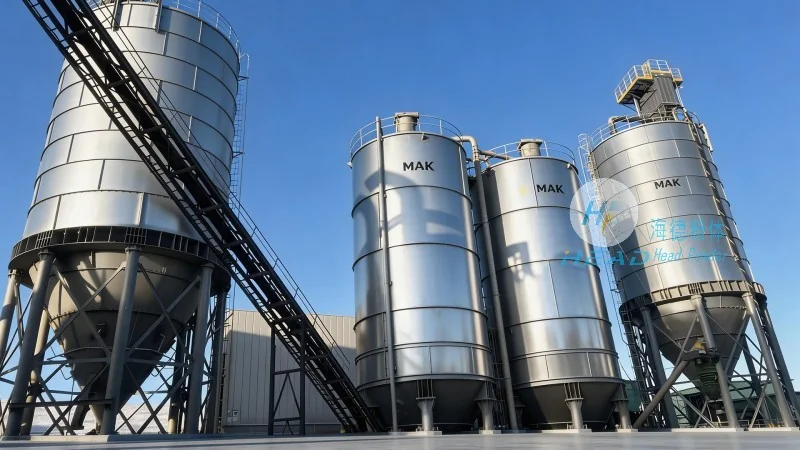
Key Working Scene Characteristics
The operational environment of refractory material pneumatic conveying lines is characterized by several unique factors that influence system design and performance. These characteristics include the material's physical properties, the required conveying distance and capacity, and the environmental conditions of the industrial facility.
Firstly, refractory materials often have high temperatures, low thermal conductivity, and may be abrasive or prone to dust generation. This necessitates the use of materials with high temperature resistance and wear resistance in the system components, such as stainless steel or special alloys for the pipeline and blower. The design must also account for the potential for material degradation or caking during transport, which may require additional equipment like vibrators or agitators to maintain material flow.
Secondly, the conveying distance and capacity vary significantly depending on the application. For short-distance transport within a plant, positive pressure systems with relatively low air velocities are sufficient. However, for longer distances or higher capacities, more complex systems with multiple blowers or booster stations may be required to maintain material velocity and prevent deposition in the pipeline. The system design must be optimized to balance energy consumption with conveying efficiency, ensuring that the material reaches its destination without clogging or degradation.
Thirdly, the industrial setting where these systems operate often involves high temperatures, dust, and potentially hazardous conditions. Therefore, the pneumatic conveying line must be integrated into the overall plant layout with considerations for safety, maintenance access, and environmental compliance. The system may need to be equipped with dust collection and filtration systems to minimize air pollution and protect the surrounding environment and personnel.
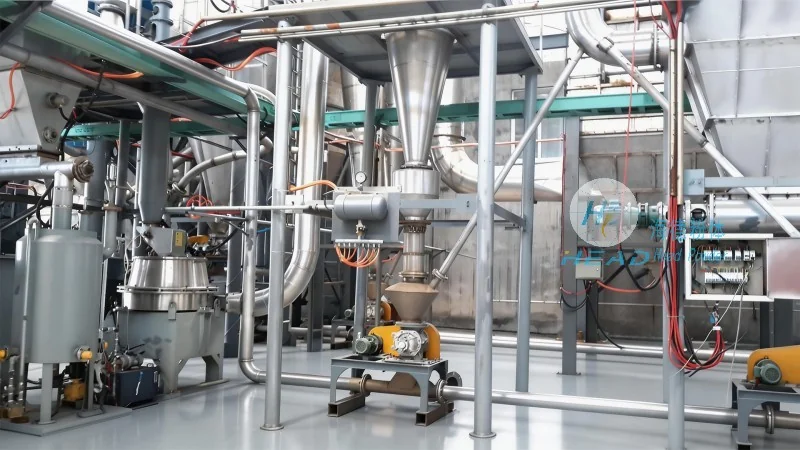
Applications and Benefits in Refractory Production
Pneumatic conveying lines for refractory materials are widely used in various stages of the refractory production process. For example, in the raw material handling stage, these systems can transport raw minerals and clays from storage silos to mixing and grinding equipment. During the production of refractory bricks or shapes, the system can convey the mixed raw materials to the molding and drying sections. In the finishing stage, pneumatic conveying is used to transport finished products from the kiln to storage or packaging areas.
The benefits of using pneumatic conveying systems in these applications include improved safety by eliminating manual handling of heavy or dusty materials, increased efficiency by reducing material handling time and labor costs, and enhanced product quality by minimizing material contamination and degradation during transport. Additionally, the flexibility of pneumatic conveying allows for easy integration with other automated processes, such as batching and weighing systems, to create a fully integrated material handling solution.
Conclusion
Understanding the principles and working scene characteristics of pneumatic conveying lines for refractory materials is crucial for selecting and implementing an effective material handling solution. By considering the unique properties of refractory materials and the specific requirements of the industrial application, companies can design a system that maximizes efficiency, safety, and cost-effectiveness. As a trusted provider of material handling solutions, Shandong HeadPowder Engineering Co., Ltd. offers expert consultation and customized system design to meet the diverse needs of refractory material processing industries.




