Pneumatic conveying systems are essential for efficiently transporting phenolic resin powder in industrial settings. These systems utilize air or gas to move the material from one location to another, offering a flexible and often more cost-effective alternative to traditional methods like belt conveyors or bucket elevators. For industries dealing with phenolic resin, which is commonly used in applications such as adhesives, coatings, and composites, reliable material handling is critical to maintaining production efficiency and product quality.
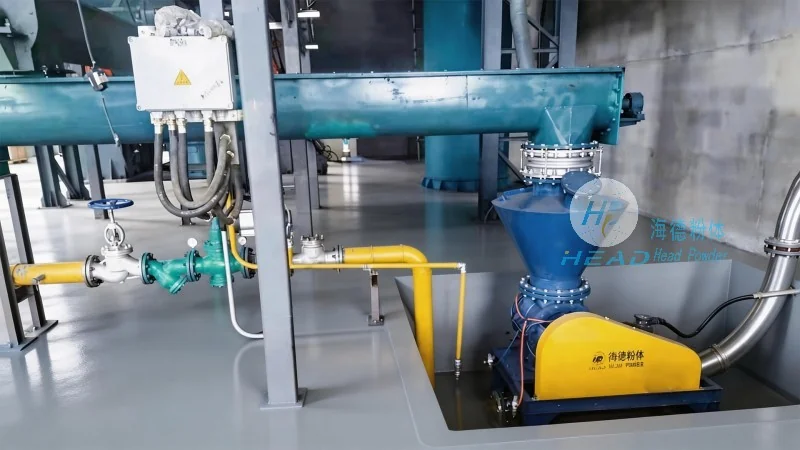
Introduction to Pneumatic Conveying Systems for Phenolic Resin Powder
Pneumatic conveying systems are essential for efficiently transporting phenolic resin powder in industrial settings. These systems utilize air or gas to move the material from one location to another, offering a flexible and often more cost-effective alternative to traditional methods like belt conveyors or bucket elevators. For industries dealing with phenolic resin, which is commonly used in applications such as adhesives, coatings, and composites, reliable material handling is critical to maintaining production efficiency and product quality.
The Fundamental Principle of Pneumatic Conveying
The core principle of pneumatic conveying for phenolic resin powder involves creating a flow of air that lifts and transports the powder particles. This is achieved through a combination of pressure or vacuum systems, where the air is introduced into the conveying line, typically at the inlet, to generate the necessary force to move the material. The system consists of several key components, including a hopper for material storage, a conveyor line (often made of metal or plastic), and a receiver for the discharged material. The air flow can be either positive pressure (where air is pushed through the system) or negative pressure (where air is drawn out, creating a vacuum), depending on the specific application and material characteristics.
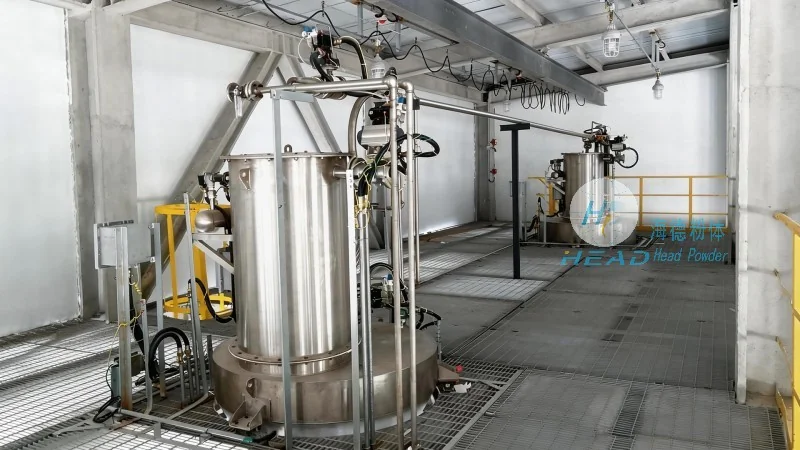
Key Working Scene Characteristics
The working scene characteristics of pneumatic conveying lines for phenolic resin powder are influenced by several factors, including the material's properties, the system's design, and the operational environment. Phenolic resin powder is typically fine and can be prone to caking or agglomeration, which requires careful consideration in system design to prevent blockages. The conveying velocity and air pressure must be optimized to ensure the material moves smoothly without excessive wear on the system components. Additionally, the system's layout and integration with other production equipment are crucial for seamless operation, as phenolic resin is often used in continuous production processes.
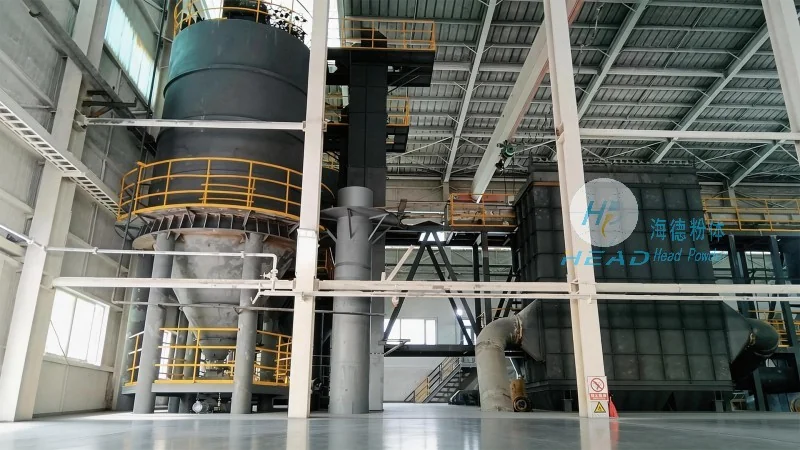
Company Profile and Expertise
HeadPowder, or Shandong HeadPowder Engineering Co., Ltd., specializes in the design, manufacturing, and installation of pneumatic conveying systems tailored to the needs of industries handling phenolic resin and other similar powders. With a focus on providing customized solutions, the company leverages advanced engineering principles and years of experience to develop systems that meet the unique challenges of each application. HeadPowder's facilities are located in Shandong, China, where the company maintains a strong commitment to quality and customer satisfaction. The company's expertise extends to the entire lifecycle of the system, from initial consultation and design to on-site installation and after-sales support.
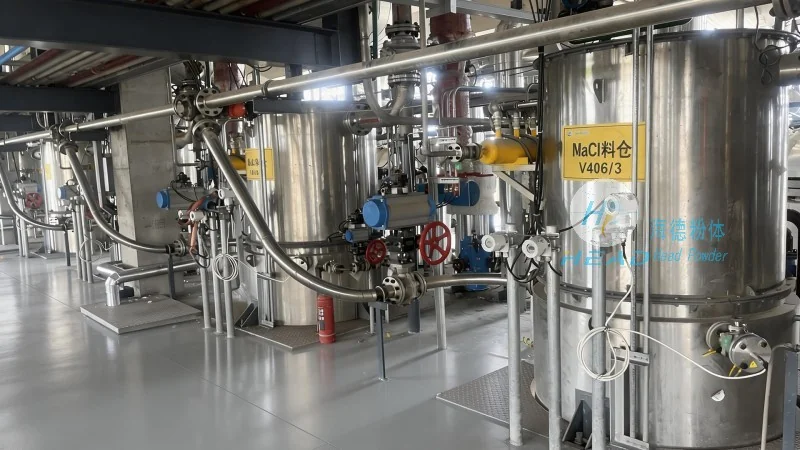
Advantages of Pneumatic Conveying for Phenolic Resin Powder
Compared to traditional material handling methods, pneumatic conveying offers several advantages for phenolic resin powder. These include reduced risk of contamination, as the system is enclosed and can be designed to meet strict hygiene standards. The flexibility of the system allows for easy integration with existing production lines, and the ability to transport materials over long distances without the need for multiple transfer points. Additionally, pneumatic conveying can help minimize dust emissions, which is particularly important for phenolic resin due to its potential to create airborne particles that may affect air quality and worker safety.
Application Scenarios and Operational Considerations
Pneumatic conveying lines for phenolic resin powder are commonly used in various industrial settings, including manufacturing plants, research facilities, and processing centers. The systems are often integrated into production lines where phenolic resin is used as a raw material, such as in the production of adhesives, composite materials, or protective coatings. Operational considerations include maintaining proper air pressure and flow rates to prevent material buildup or system failure, as well as regular maintenance to ensure the longevity of the equipment. The design of the conveying line must also account for the material's density and flow characteristics, as phenolic resin can vary in particle size and moisture content, affecting its handling properties.




