HeadPowder, a leading engineering firm based in Shandong, China, specializes in the design and implementation of advanced material handling solutions. This article focuses on the pneumatic conveying lines specifically tailored for sodium carbonate materials, exploring their operational principles and the diverse industrial scenarios where they excel.
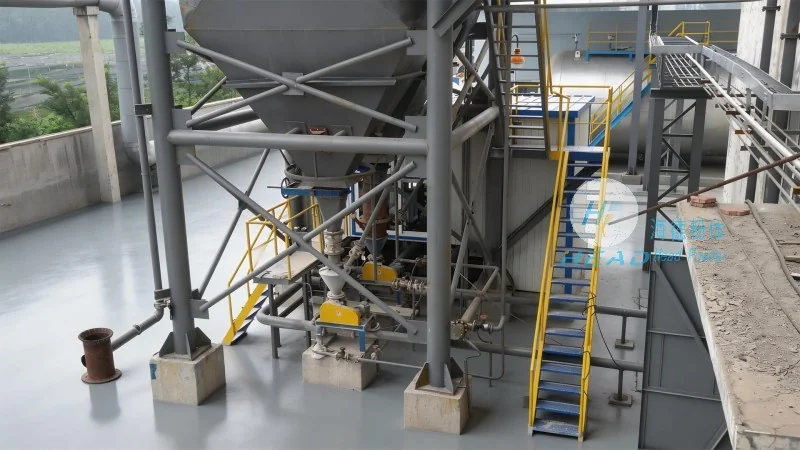
Understanding Pneumatic Conveying: The Core Mechanism
Pneumatic conveying systems utilize air or gas as the primary medium to transport bulk materials, such as sodium carbonate, from one location to another. The process typically involves creating a pressure differential between the conveying line's inlet and outlet. By injecting air under pressure into the material stream, the system can lift, transport, and discharge the material efficiently. For sodium carbonate, which is often in the form of fine powders or granules, this method offers several advantages over traditional mechanical conveyors, including reduced equipment wear, lower maintenance costs, and enhanced safety due to enclosed systems.
Key Working Scene Characteristics of Sodium Carbonate Pneumatic Conveying Lines
The effectiveness of pneumatic conveying lines for sodium carbonate is heavily influenced by the specific working environments they operate in. These systems are particularly well-suited for applications where material handling requires precision, speed, and minimal contamination. For instance, in chemical manufacturing plants, where sodium carbonate is used as a raw material in the production of glass, detergents, and other industrial chemicals, the conveying lines ensure a continuous and controlled supply of the material to processing units. The enclosed design of these systems prevents dust dispersion, which is critical in maintaining air quality and compliance with environmental regulations.
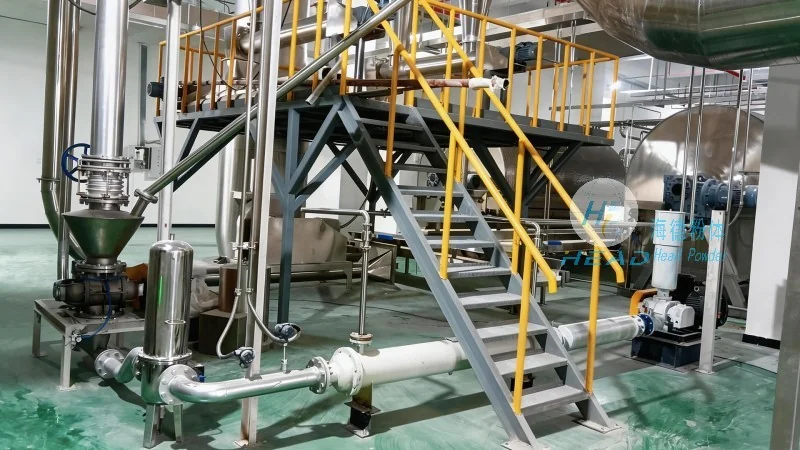
In addition to chemical production, sodium carbonate pneumatic conveying lines are widely used in food processing facilities. Here, the material is often handled under strict hygiene standards, and the enclosed, air-tight systems prevent cross-contamination and maintain product purity. The ability to transport sodium carbonate in a dust-free environment is essential for meeting food safety regulations, making these systems indispensable in the food industry.
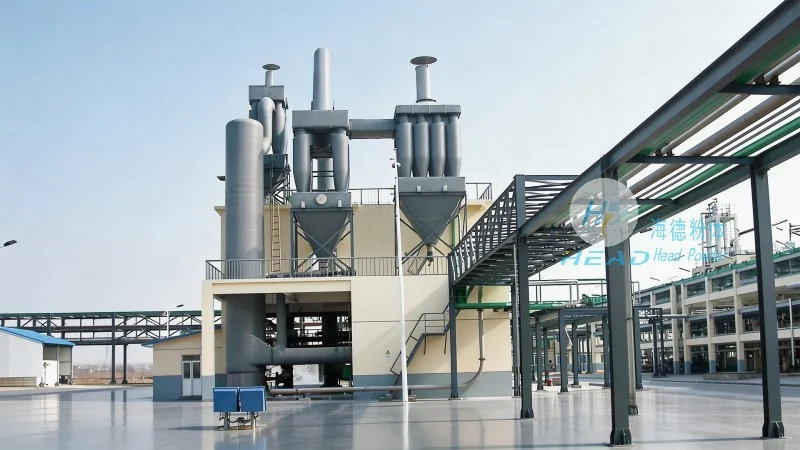
Operational Efficiency and Customization in Industrial Applications
HeadPowder's expertise lies in tailoring pneumatic conveying lines to meet the unique demands of each industrial application. The company's engineers consider factors such as material characteristics, flow rates, and the distance to be covered when designing the system. For sodium carbonate, which can vary in particle size and moisture content, the system's design may include features like pre-drying or size classification to ensure optimal conveying performance. The use of positive pressure or negative pressure systems can also be customized based on the specific requirements of the working scene, such as the need to transport material over long distances or through complex layouts.
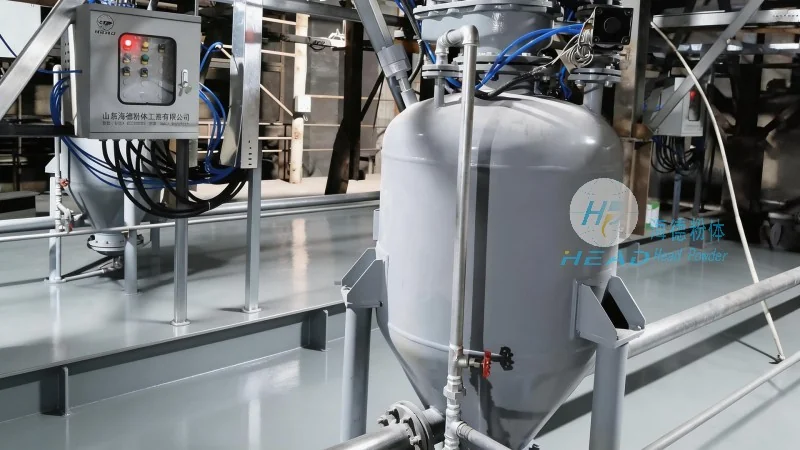
Furthermore, the working scene characteristics of these systems are enhanced by their adaptability to different production scales. Whether it's a small-scale laboratory setup or a large-scale industrial plant, the pneumatic conveying lines can be scaled to match the production capacity. This flexibility allows industries to integrate the system seamlessly into their existing infrastructure, minimizing downtime and maximizing operational efficiency.
Conclusion: The Role of Advanced Engineering in Material Handling
In conclusion, pneumatic conveying lines for sodium carbonate materials represent a sophisticated solution to modern material handling challenges. By leveraging the principles of air-based transport, these systems offer superior efficiency, safety, and adaptability across various industrial applications. HeadPowder Engineering Co., Ltd., with its headquarters in Shandong, China, continues to lead in the development of such advanced systems, providing tailored solutions that meet the evolving needs of industries relying on sodium carbonate as a critical raw material.




