Pneumatic conveying systems have become essential in the handling and transportation of bulk materials, including chemical compounds like manganese sulfate. These systems utilize air or other gases to transport solid particles through a pipeline, offering a flexible and efficient method for material movement. For industries dealing with manganese sulfate, which is widely used in fertilizers, batteries, and other industrial applications, the design and operation of such systems are critical to ensuring product integrity and operational efficiency.
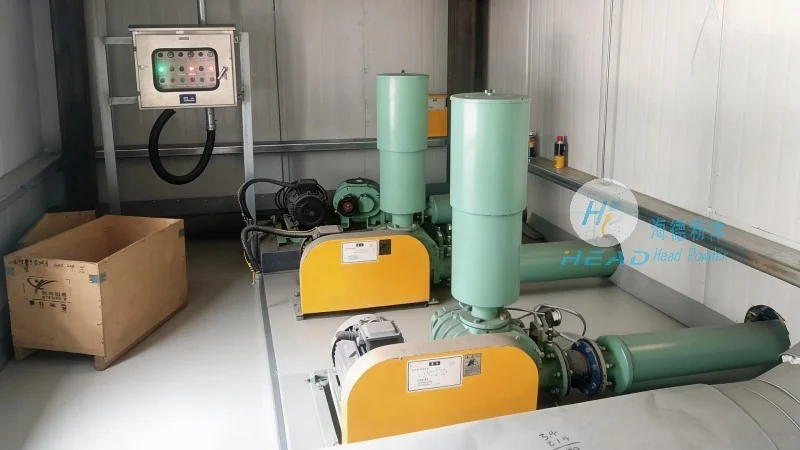
The Core Principle of Manganese Sulfate Pneumatic Conveying
The fundamental principle behind a manganese sulfate pneumatic conveying line is the use of air pressure to move material through a closed system. The process typically involves a material hopper, a feeder, a conveying pipeline, and a receiver. The material is first fed into the system, often with the aid of a rotary valve or a screw feeder, and then introduced into the pipeline. Compressed air is then introduced at one end of the pipeline, creating a pressure differential that propels the material forward. The velocity of the air and the size of the particles determine the efficiency of the conveying process. For manganese sulfate, which has specific particle size distributions and flow characteristics, the system design must account for these properties to prevent issues like blockages or degradation of the material.
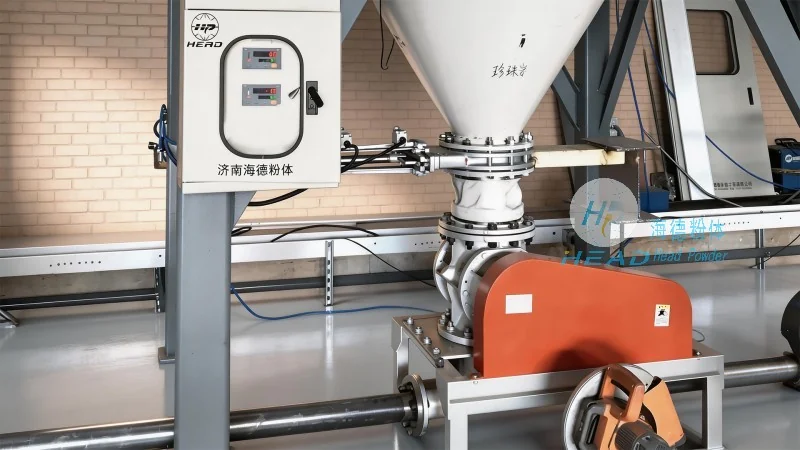
Key Working Scene Characteristics of Manganese Sulfate Pneumatic Conveying Lines
When evaluating the working scene characteristics of a manganese sulfate pneumatic conveying line, several factors come into play. First, the system must be designed to handle the specific chemical and physical properties of manganese sulfate, such as its hygroscopic nature and potential for dust generation. The conveying line is often installed in environments where dust control is paramount, requiring sealed systems and proper ventilation to maintain safety and compliance with environmental regulations. Additionally, the operational environment may involve varying temperatures and humidity levels, which can affect the material's flowability and the system's performance. The layout of the conveying line, including the length of the pipeline and the number of bends, also impacts the overall efficiency and energy consumption of the system. In industrial settings, these lines are typically integrated with other processing equipment, such as storage silos, reactors, or packaging machines, to form a seamless material handling workflow.
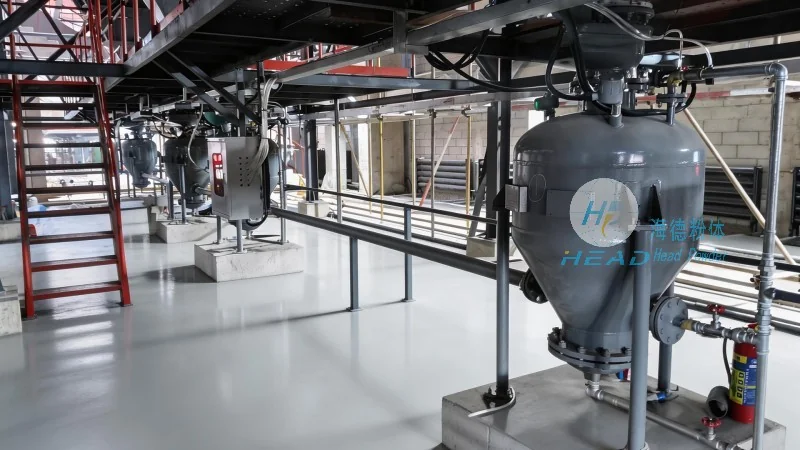
HeadPowder's Expertise in Designing Manganese Sulfate Pneumatic Conveying Solutions
Shandong HeadPowder Engineering Co., Ltd., a leading provider of bulk material handling solutions, specializes in designing and manufacturing pneumatic conveying systems tailored to the unique needs of manganese sulfate applications. With years of experience in the chemical and industrial sectors, HeadPowder understands the challenges associated with handling manganese sulfate, including its tendency to clump or create dust. The company's engineers employ advanced engineering principles and state-of-the-art technology to develop customized solutions that optimize material flow, minimize downtime, and ensure product quality. Each system is designed with the specific particle size, density, and flow characteristics of manganese sulfate in mind, ensuring that the conveying process is efficient and reliable. HeadPowder's commitment to quality and customer satisfaction is reflected in the robust construction and long-term performance of their pneumatic conveying lines, which are built to withstand the demands of industrial environments.
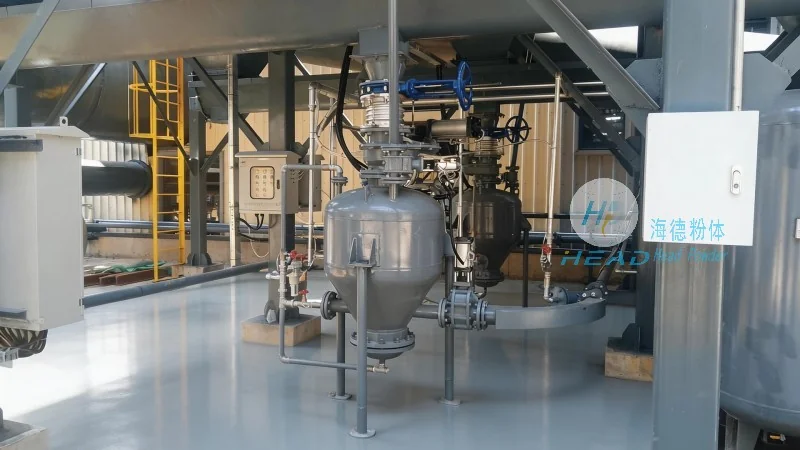
Conclusion: Enhancing Efficiency and Safety in Manganese Sulfate Handling
In conclusion, pneumatic conveying lines are a vital component in the efficient and safe handling of manganese sulfate materials. The principles and characteristics of these systems are tailored to the unique properties of manganese sulfate, ensuring that material is transported with minimal degradation and maximum efficiency. Companies like Shandong HeadPowder Engineering Co., Ltd. play a crucial role in providing customized solutions that meet the specific requirements of industrial applications, contributing to improved operational performance and product quality. By leveraging advanced engineering and careful system design, pneumatic conveying systems offer a reliable and cost-effective method for moving manganese sulfate, supporting the needs of various industries that rely on this essential chemical compound.




