Loess, a type of fine-grained soil, is widely used in construction, agriculture, and industrial applications due to its excellent engineering properties. Efficient and reliable transportation of loess is crucial for various industries, and pneumatic conveying offers a versatile solution. This article explores several effective methods for loess pneumatic conveying, highlighting the technical advantages and practical applications of each approach.
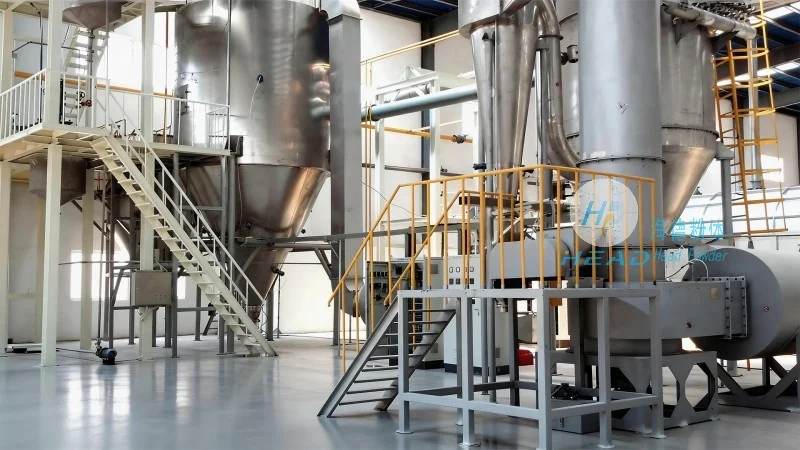
Positive Pressure Pneumatic Conveying Systems
Positive pressure systems are among the most common solutions for loess transport. These systems operate by blowing air or a gas mixture into the conveying line, creating a positive pressure that propels the material forward. The primary advantage of positive pressure systems is their ability to handle abrasive materials like loess without significant wear on the equipment. They are particularly suitable for short to medium-distance transport and can be easily integrated with existing industrial setups. The design typically includes a hopper, a rotary valve, a positive displacement blower, and a discharge point. The blower provides the necessary pressure to move the material, while the rotary valve controls the flow from the hopper. This method ensures a continuous and controlled flow of loess, minimizing material degradation and dust generation. HeadPowder, a leading provider in the field, offers customized positive pressure systems tailored to specific project requirements, ensuring optimal performance and durability.
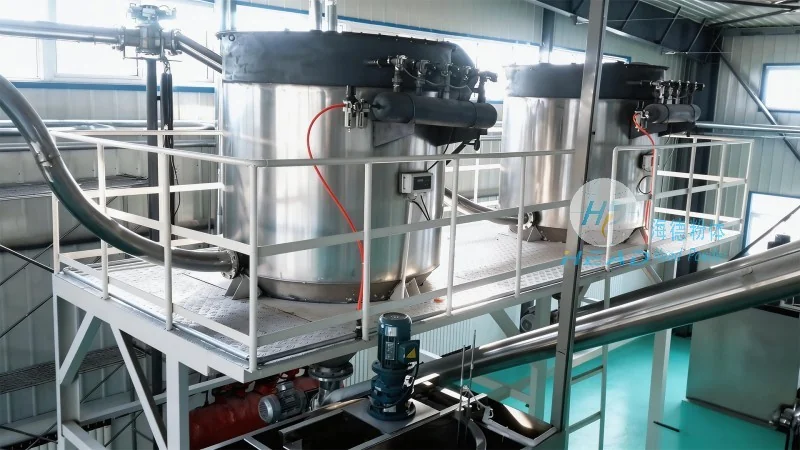
Negative Pressure Pneumatic Conveying Systems
Negative pressure systems, also known as vacuum or suction systems, operate by creating a vacuum in the conveying line to draw the material from the source. This approach is ideal for applications where the material needs to be transported from a high or difficult-to-access location. The system comprises a vacuum pump, a collection hopper, a filter, and a discharge point. The vacuum pump creates the negative pressure, while the filter removes dust and particles from the air stream. Negative pressure systems are effective for long-distance transport and can handle large volumes of material. However, they require more maintenance due to the higher wear on the vacuum pump and the need for regular filter cleaning. HeadPowder specializes in designing efficient negative pressure systems that balance performance with operational costs, ensuring reliable operation in various industrial environments.
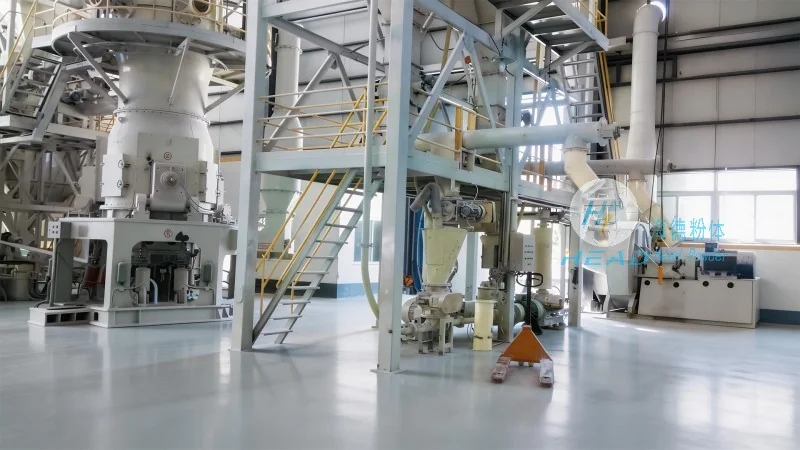
Mixed-Pressure Pneumatic Conveying Systems
Mixed-pressure systems combine elements of both positive and negative pressure systems, offering a flexible solution for complex loess transport scenarios. These systems use a combination of positive and negative pressure zones to optimize material movement. The initial section of the line may operate under positive pressure to move the material from the source, while the subsequent section uses negative pressure to transport it to the destination. This approach is particularly useful for applications involving multiple transfer points or varying elevation changes. The system includes a blower for the positive pressure segment and a vacuum pump for the negative pressure segment, connected by a transfer point. Mixed-pressure systems provide better control over the conveying process, allowing for adjustments based on the material's properties and the distance to be covered. HeadPowder's expertise in mixed-pressure systems enables clients to achieve high efficiency and low energy consumption, making them a preferred choice for demanding loess transport projects.
Advantages of Pneumatic Conveying for Loess
Compared to traditional methods like belt conveyors or trucks, pneumatic conveying offers several advantages for loess transport. These include reduced material degradation, lower dust emissions, and improved safety. The enclosed system prevents the material from coming into contact with the environment, minimizing contamination and preserving its quality. Additionally, pneumatic systems are more flexible in terms of layout, allowing for vertical and horizontal transport in a single line. This flexibility is crucial for industrial facilities with limited space or complex layouts. HeadPowder's solutions are designed to maximize these benefits, ensuring that loess is transported efficiently while maintaining its integrity. The company's commitment to using high-quality materials and advanced technology ensures that their systems are durable and reliable, providing long-term value to clients.
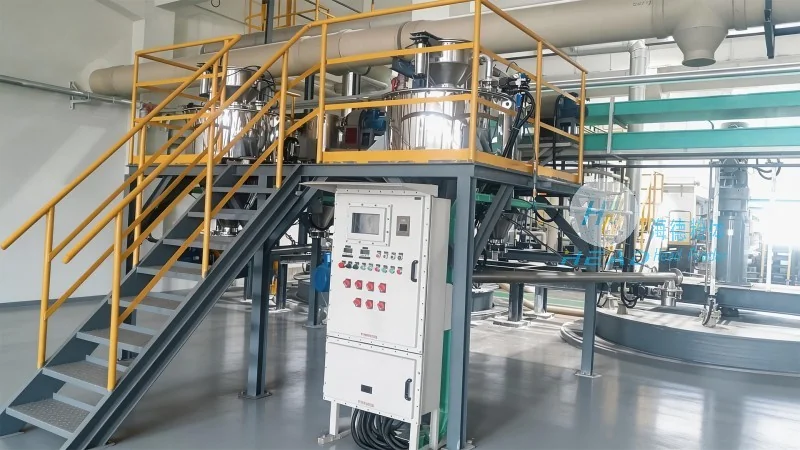
Customization and Application Examples
HeadPowder Engineering Co., Ltd., based in Shandong, China, specializes in providing tailored pneumatic conveying solutions for loess and other fine materials. The company's team of engineers works closely with clients to understand their specific needs, whether it's for short-distance transport in a construction site or long-distance industrial applications. For example, a client in the cement industry might require a system to transport loess from a quarry to a processing plant, while another client in the agricultural sector may need a system to move loess for soil improvement projects. HeadPowder's customized solutions address these diverse requirements, ensuring that each system is optimized for the particular application. The company's experience in handling various loess types and processing conditions makes it a trusted partner for industries relying on efficient material transport.




