When it comes to handling and transporting quartz sand particles in industrial processes, selecting the appropriate pneumatic conveying system is crucial for efficiency, reliability, and cost-effectiveness. The right system ensures that your quartz sand is moved safely and efficiently from one point to another, minimizing downtime and operational risks. This guide, brought to you by Shandong HeadPowder Engineering Co., Ltd. (headpowder), a leading company based in Shandong, China, will walk you through the key considerations and steps to help you choose the most suitable pneumatic conveying system for your specific quartz sand handling needs.
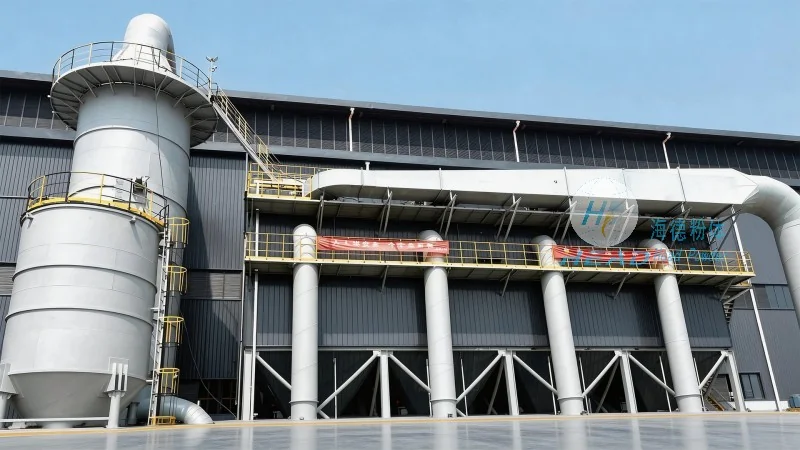
Understanding the Importance of Quartz Sand Pneumatic Conveying
Quartz sand, with its fine to medium particle size and abrasive nature, requires specialized handling equipment to prevent material degradation and equipment wear. Traditional methods like belt conveyors or bucket elevators may not be ideal for quartz sand due to its dust generation and potential for clogging. Pneumatic conveying systems offer a solution by using air to transport the material, reducing the need for mechanical contact and minimizing the risk of contamination. This method is particularly effective for long-distance, high-volume, or complex routing requirements in quartz sand processing plants.
Key Factors to Consider When Selecting a Pneumatic Conveying System
Choosing the right pneumatic conveying system for quartz sand involves evaluating several critical factors to ensure optimal performance. The first step is to analyze your specific process requirements, including the volume of quartz sand to be transported, the distance between the source and destination, and the complexity of the routing (e.g., vertical, horizontal, or a combination of both). Additionally, consider the particle size distribution, moisture content, and any potential contaminants in the quartz sand, as these factors can impact the system's design and components.
Another crucial factor is the type of pneumatic conveying system—either positive pressure or negative pressure. Positive pressure systems, where air is forced through the conveying line, are often preferred for long-distance or high-volume applications as they can handle larger particles and provide more consistent flow. Negative pressure systems, on the other hand, use suction to draw material into the line and are suitable for shorter distances or applications where dust containment is a priority. The choice between these systems depends on your specific operational constraints and the characteristics of your quartz sand.
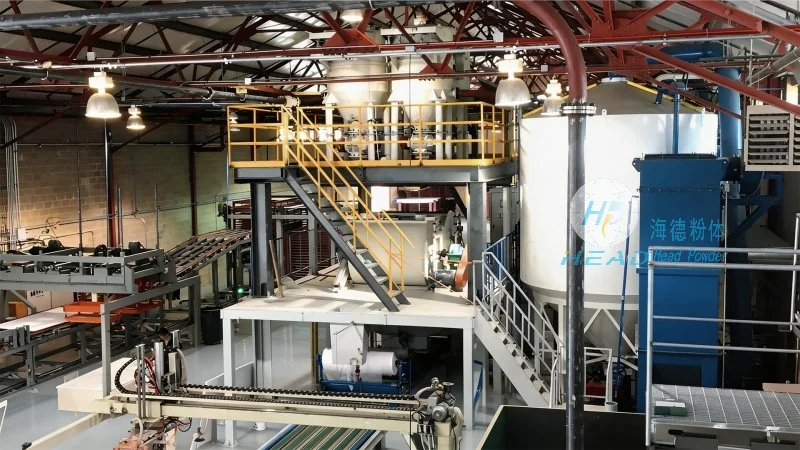
Components and Equipment for Quartz Sand Pneumatic Conveying
Regardless of the system type, a well-designed pneumatic conveying system for quartz sand typically includes several key components. The primary equipment includes a material feeder to control the flow of quartz sand into the system, a conveying line (usually made of stainless steel or other corrosion-resistant materials to withstand the abrasive nature of quartz sand), and a receiver or discharge point where the material is deposited. For positive pressure systems, a blower or compressor provides the necessary air pressure, while negative pressure systems use a vacuum pump.
Additional components may include filters and cyclones to separate the quartz sand from the air stream, ensuring that the material is delivered in a clean and dry state. The choice of components, such as the type of feeder (e.g., rotary valve or screw feeder) and the material of the conveying line, is critical to the system's longevity and performance. For quartz sand, which is abrasive, using high-quality, wear-resistant materials for the conveying line and components is essential to minimize maintenance and downtime.
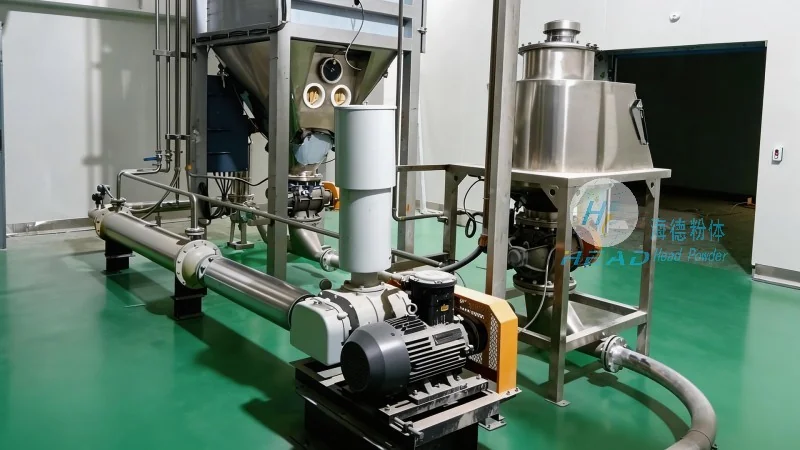
Installation and Commissioning Considerations
Proper installation and commissioning of a pneumatic conveying system for quartz sand are vital to ensure its long-term reliability and efficiency. The system should be installed with appropriate support structures to handle the weight and vibration of the equipment, and the conveying line should be properly supported and secured to prevent sagging or damage. During commissioning, it is important to conduct thorough testing to verify that the system is operating within the specified parameters, including air pressure, flow rate, and material throughput.
Regular maintenance is also essential to keep the system running smoothly. This includes checking and replacing worn components, cleaning filters and cyclones, and inspecting the conveying line for signs of wear or damage. By following a regular maintenance schedule, you can extend the life of your pneumatic conveying system and ensure consistent performance in handling quartz sand particles.
Conclusion: Partnering with HeadPowder for Your Quartz Sand Conveying Needs
Choosing the right pneumatic conveying system for your quartz sand handling process requires careful consideration of your specific operational requirements and the characteristics of your material. By working with a reputable company like Shandong HeadPowder Engineering Co., Ltd., you can ensure that you select a system that is tailored to your needs, providing reliable and efficient transport of quartz sand while minimizing operational costs and risks. With their expertise in quartz sand processing and pneumatic conveying systems, headpowder can help you design and implement a system that meets your production goals and ensures long-term success in your quartz sand handling operations.




