HeadPowder, a leading engineering company based in Shandong, China, specializes in the design and manufacturing of advanced pneumatic conveying systems tailored for the handling of bulk materials like potassium chloride. This article delves into the fundamental principles of such equipment and highlights the key characteristics of its operational environments.
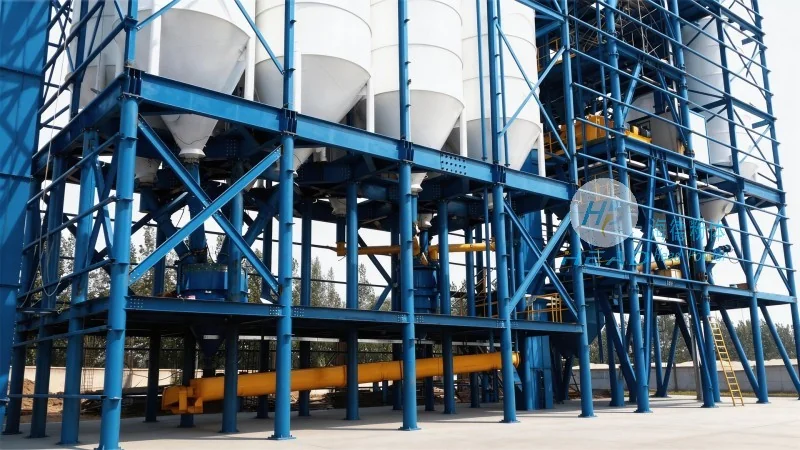
Introduction to Pneumatic Conveying Systems for Potassium Chloride
Potassium chloride, a vital mineral used in agriculture, food processing, and chemical industries, requires efficient and reliable material handling solutions to ensure smooth production workflows. Pneumatic conveying systems offer a non-contact, low-maintenance method for transporting bulk solids, making them an ideal choice for potassium chloride processing facilities. These systems utilize air or other gases to move material through a pipeline network, eliminating the need for mechanical components that can cause wear and tear or contamination.
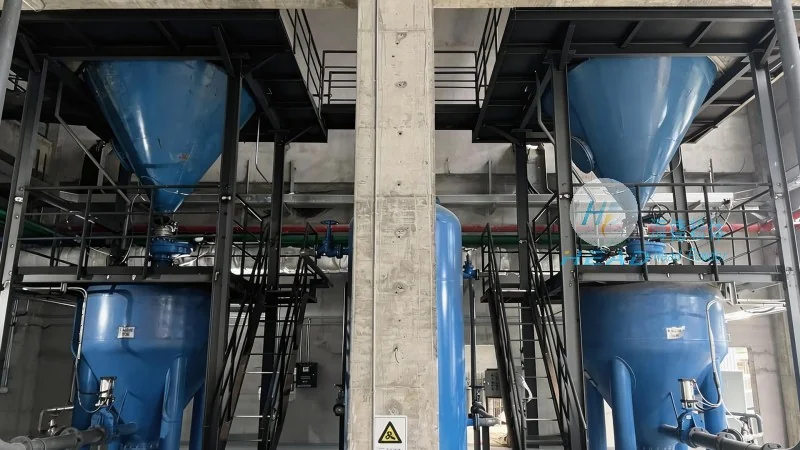
The Core Principle of Pneumatic Conveying for Potassium Chloride
The fundamental principle behind pneumatic conveying is the creation of a pressure differential that propels the material through the system. In a typical system, a blower or compressor generates airflow, which is directed into a hopper containing the potassium chloride. As the air flows through the material, it lifts and transports the particles, carrying them to the discharge point. The design of the conveying line, including the diameter, length, and number of bends, is critical to maintaining consistent airflow and preventing material deposition or blockages. HeadPowder engineers carefully calculate these parameters to ensure optimal performance and efficiency for potassium chloride applications.
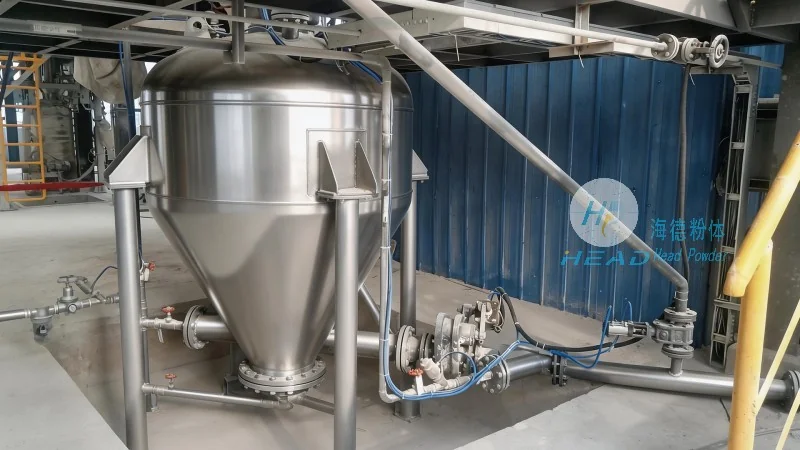
Key Working Scene Characteristics of Pneumatic Conveying Equipment
The operational characteristics of pneumatic conveying systems for potassium chloride are shaped by several factors, including the material's physical properties, the system's design, and the specific application requirements. One of the primary characteristics is the system's ability to handle fine or powdery potassium chloride without clogging, which is achieved through the use of appropriate air velocities and pipeline configurations. Another critical aspect is the system's scalability, as it can be adapted to handle varying volumes of material, from small-scale laboratory operations to large industrial production lines. Additionally, the equipment's durability and resistance to corrosion are essential, given that potassium chloride can be abrasive and may contain moisture or other contaminants that could damage traditional conveying methods.
Applications and Operational Environments
Pneumatic conveying systems for potassium chloride are commonly employed in various industrial settings, including mining and processing plants, chemical manufacturing facilities, and agricultural processing centers. In mining operations, these systems are used to transport raw potassium chloride from extraction sites to processing units, where it is refined into usable products. In chemical plants, the equipment is utilized to move potassium chloride between different stages of production, such as from a storage silo to a reaction vessel. The operational environments for these systems vary, ranging from indoor processing facilities with controlled temperature and humidity to outdoor storage and transfer areas. Regardless of the environment, the systems must maintain consistent performance and reliability to support continuous production processes.
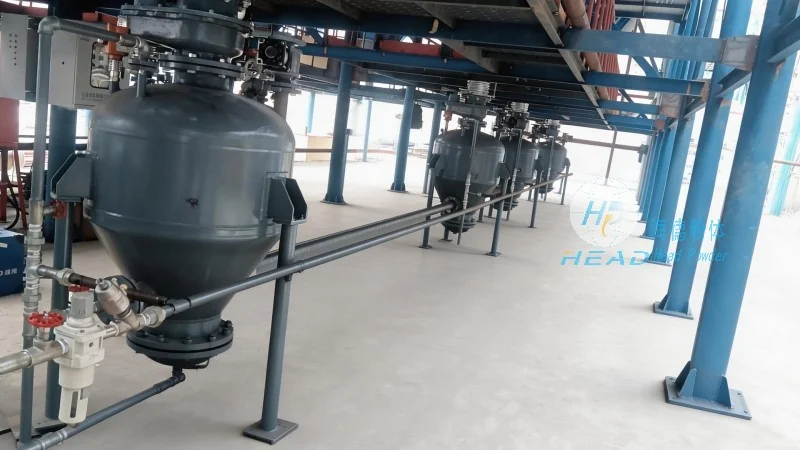
Advantages and Considerations for Pneumatic Conveying
Implementing pneumatic conveying for potassium chloride offers several advantages, including reduced labor costs, improved safety by eliminating manual handling, and enhanced product quality by minimizing contamination. However, there are also considerations to keep in mind, such as the need for proper maintenance to prevent air leaks or system failures, and the potential for energy consumption to be higher compared to other conveying methods. HeadPowder's expertise in designing and installing these systems ensures that clients receive solutions that balance efficiency, cost-effectiveness, and operational reliability, tailored to their specific potassium chloride handling needs.




