Perlite, a lightweight, porous volcanic glass, is widely used in construction, horticulture, and industrial applications due to its excellent thermal insulation, fire resistance, and lightweight properties. The efficient transportation of perlite particles from production sites to processing or end-use locations is critical for optimizing operational efficiency and reducing costs. Pneumatic conveying systems offer a reliable solution for handling these fine, dry materials, ensuring minimal product degradation and operational flexibility.
The Working Principle of Pneumatic Conveying Systems
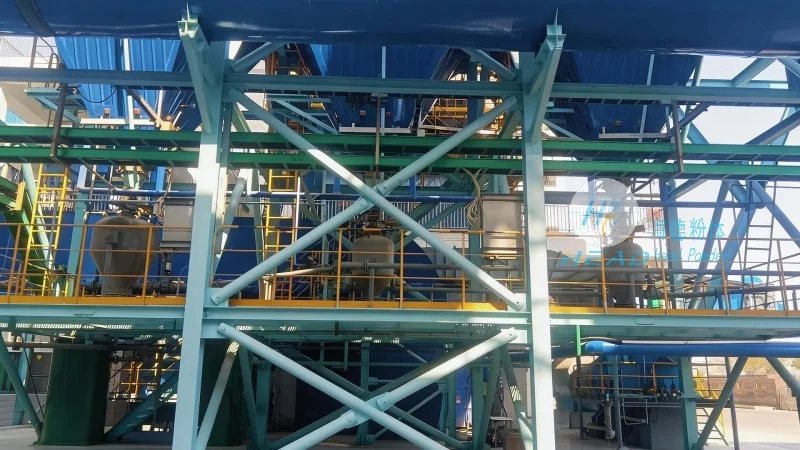
At the core of perlite pneumatic conveying systems is the use of air or gas to transport solid particles through a pipeline. The system typically consists of a material hopper, a feeder, a conveying line, and a receiver. The process begins with the material being fed into the system from the hopper. A feeder, often a rotary valve or a screw feeder, controls the flow rate of the perlite into the conveying line. Compressed air is then introduced into the line, creating a high-velocity air stream that lifts and transports the perlite particles. The air velocity is carefully managed to ensure that the particles remain suspended and move efficiently without causing excessive wear on the system components. The conveying line may include bends, expansions, or filters to maintain the air flow and particle trajectory. Finally, the perlite is deposited into a receiver or storage tank at the destination. This method eliminates the need for mechanical components like belts or buckets, reducing maintenance and increasing safety.
Key Components and Their Functions
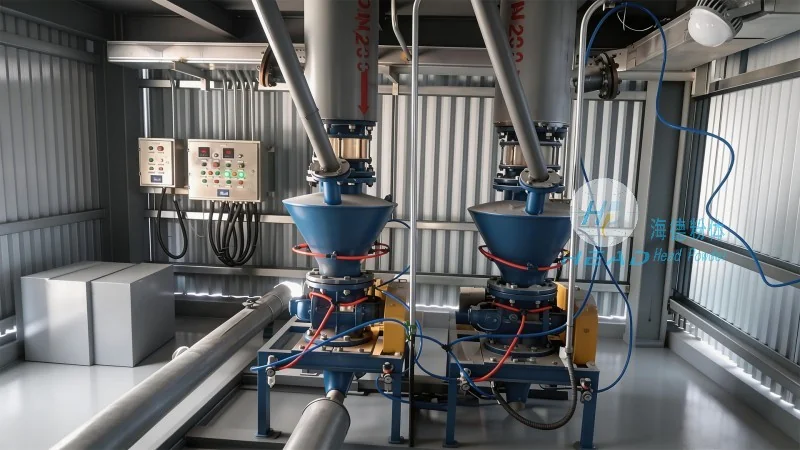
Several critical components work in tandem to ensure the smooth operation of a perlite pneumatic conveying system. The material hopper serves as the storage container, holding the perlite before it is fed into the system. It is designed with a sloped bottom to facilitate material flow and prevent clogging. The feeder is a crucial element that regulates the flow rate of the perlite into the conveying line. A rotary valve, for instance, uses a rotating disc with slots to control the material discharge, providing precise control over the feed rate. The conveying line is typically made of stainless steel or other corrosion-resistant materials to withstand the abrasive nature of perlite particles and the effects of compressed air. The air compressor or blower generates the necessary pressure and volume of air to move the particles through the line. The receiver is the final component, where the perlite is collected after being transported. It may include a filter to remove any fine particles from the air stream, ensuring that the delivered material is clean and free from contaminants.
Advantages of Pneumatic Conveying for Perlite Handling
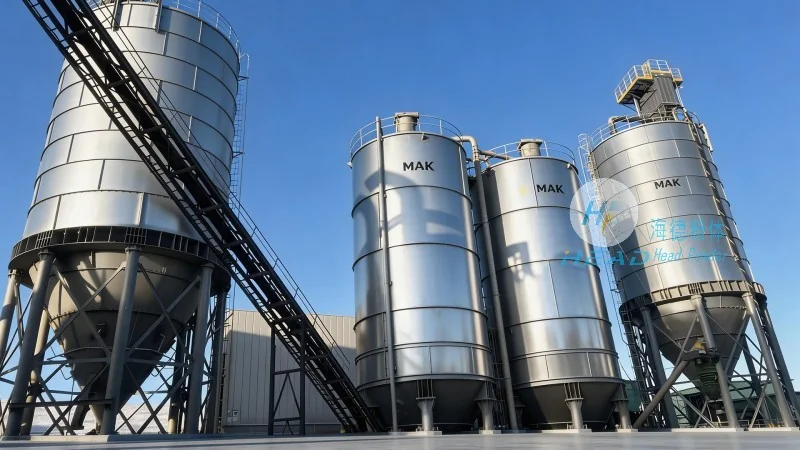
Pneumatic conveying systems offer several advantages over traditional mechanical conveying methods for perlite. First, they provide a dust-free and enclosed environment, which is essential for maintaining product quality and ensuring workplace safety. Unlike belt conveyors or bucket elevators, which can generate significant dust and require extensive dust control measures, pneumatic systems keep the material contained within the pipeline, reducing airborne particulates. Second, these systems are highly flexible in terms of layout and installation. They can be configured to follow complex routes, including vertical and horizontal segments, without the need for additional support structures. This flexibility allows for integration into existing facilities or new construction projects with minimal disruption. Third, pneumatic conveying reduces product degradation by minimizing friction and impact. The air stream lifts the particles gently, preventing breakage or crushing, which is particularly important for fine perlite particles that are sensitive to mechanical stress. Fourth, the system offers improved operational efficiency through automated control. The feeder and air compressor can be synchronized to maintain a consistent flow rate, reducing downtime and optimizing material throughput. Finally, the enclosed design of pneumatic systems enhances safety by preventing exposure to dust and reducing the risk of accidents associated with moving mechanical parts.
Common Working Scene Characteristics
The application of perlite pneumatic conveying systems varies based on the specific industry and end-use requirements. In the construction industry, these systems are commonly used to transport perlite from storage silos to mixing plants or to construction sites for insulation applications. The systems are often integrated with batching equipment to ensure precise dosing of perlite into concrete or plaster mixes. In horticulture, pneumatic conveyors are used to move perlite from production facilities to nurseries or greenhouse operations, where it is used as a growing medium. The systems are designed to handle large volumes of material efficiently, supporting the high demand for perlite in commercial horticulture. In industrial applications, such as the production of perlite-based products (e.g., fireproofing materials, lightweight aggregates), pneumatic conveying systems are used to transport raw perlite from storage to processing lines. The systems may include additional components like classifiers or dryers to further refine the material before it is used in manufacturing. Each working scene is tailored to meet the specific needs of the application, ensuring optimal performance and material quality.
Case Study: Implementation by Shandong HeadPowder Engineering Co., Ltd.
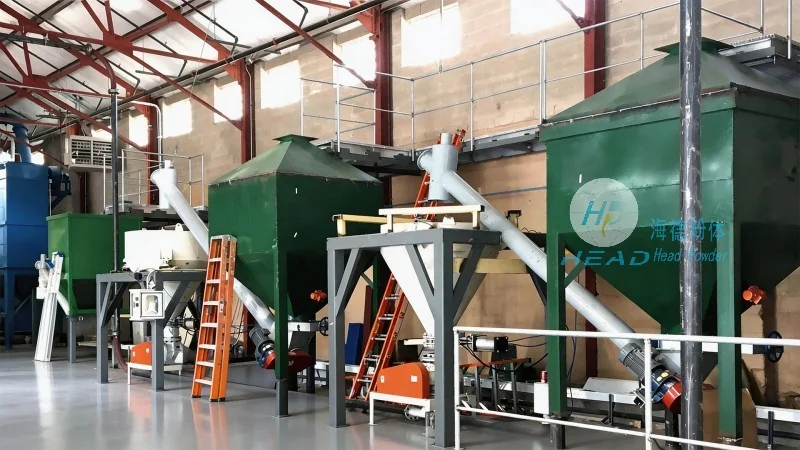
Shandong HeadPowder Engineering Co., Ltd., a leading provider of material handling solutions, has successfully implemented perlite pneumatic conveying systems for various clients. The company specializes in designing and manufacturing customized systems that meet the unique requirements of each project. For example, a client in the construction sector required a system to transport perlite from a storage silo to a mixing plant, with a capacity of 100 tons per hour. HeadPowder engineers designed a system featuring a large material hopper, a rotary valve feeder, and a stainless steel conveying line with a series of bends and a receiver. The system was equipped with an air compressor that could maintain a consistent pressure of 0.7 MPa to ensure efficient particle transport. The client reported significant improvements in operational efficiency, with reduced downtime and lower maintenance costs compared to traditional belt conveyors. Another project involved a horticulture facility that needed to transport perlite from production to greenhouse operations. HeadPowder designed a compact, flexible system that could be easily reconfigured to accommodate changes in production volume. The system was installed with minimal disruption to the existing facility, and the client experienced improved product quality and reduced dust exposure. These case studies highlight the effectiveness of perlite pneumatic conveying systems in real-world applications and the expertise of Shandong HeadPowder in delivering tailored solutions.




