Calcined gypsum, also known as plaster of Paris, is a widely used material in construction and industrial applications. Pneumatic conveying is a critical method for transporting this material efficiently and safely. This article explores the underlying principles of calcined gypsum pneumatic conveying and highlights the key characteristics of its working scenarios, providing insights into how this technology is applied in practical settings.
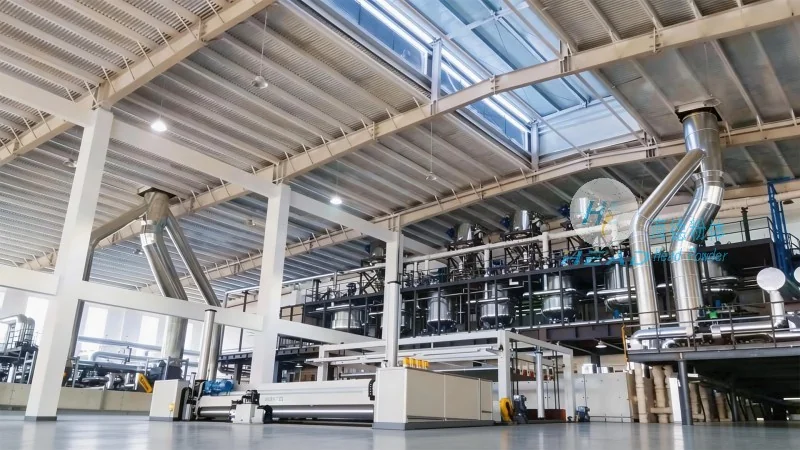
Understanding the Principle of Calcined Gypsum Pneumatic Conveying
Pneumatic conveying involves the use of air or gas to transport solid materials through a pipeline system. In the case of calcined gypsum, the process typically relies on a positive displacement or pressure-assisted system. The calcined gypsum is introduced into a hopper or feeder, where it is then fed into a conveying line under controlled pressure. The air or gas, often generated by a blower or compressor, creates a flow that propels the gypsum particles through the pipeline. This method eliminates the need for mechanical components like belts or buckets, reducing maintenance and increasing operational efficiency. The principle also emphasizes the importance of particle size, moisture content, and air velocity in ensuring a smooth and consistent conveying process. Proper design of the conveying system, including the selection of appropriate duct sizes and air flow rates, is crucial to prevent blockages and maintain material integrity.
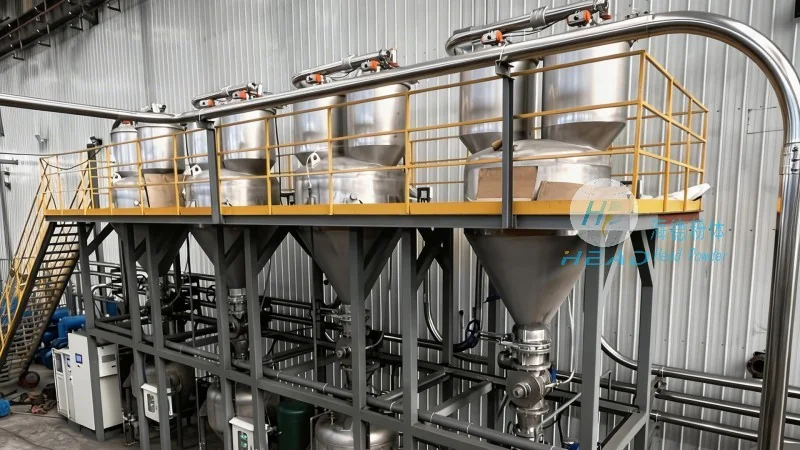
Key Working Scenario Characteristics of Calcined Gypsum Pneumatic Conveying
The working scenarios for calcined gypsum pneumatic conveying vary based on the specific application and operational requirements. In construction material production, for instance, the system may be used to transport gypsum from storage silos to mixing facilities or to packaging lines. The characteristics in this scenario include high throughput rates, often required to meet production demands, and the need for precise control over material flow to ensure uniform product quality. Industrial applications, such as in the manufacturing of gypsum boards or other building products, may involve more complex conveying systems that integrate with other processing equipment. These scenarios may also require the handling of different particle sizes or moisture levels, necessitating adjustments to the air flow and system pressure. Another important characteristic is the ability to handle dusty or fine particles without significant loss or degradation. The system must be designed to minimize dust emissions and maintain the purity of the gypsum, which is essential for downstream processes. Additionally, the working scenarios may vary in terms of the scale of operation, from small-scale laboratory setups to large industrial plants, each with its own unique challenges and requirements for efficient pneumatic conveying.
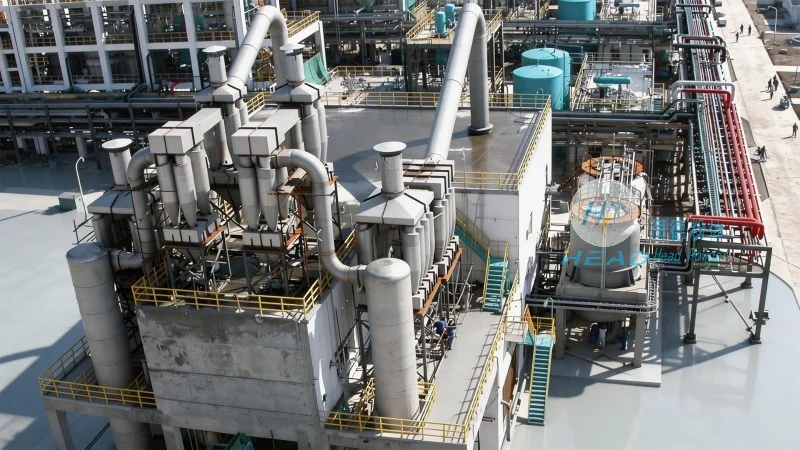
About Shandong HeadPowder Engineering Co., Ltd.
Shandong HeadPowder Engineering Co., Ltd., operating under the brand name headpowder, is a leading provider of engineering solutions for material handling and processing. With a focus on calcined gypsum and related materials, the company specializes in designing and implementing pneumatic conveying systems tailored to the specific needs of its clients. Headpowder's expertise lies in understanding the unique properties of calcined gypsum and optimizing the conveying process to ensure efficiency, reliability, and cost-effectiveness. The company's operations are based in Shandong, China, where it leverages local resources and industry knowledge to deliver high-quality solutions. By combining advanced technology with practical application experience, headpowder helps businesses in the construction and industrial sectors improve their material handling processes and enhance overall productivity.




