HeadPowder, a leading engineering company based in Shandong, China, specializes in the design and implementation of advanced pneumatic conveying systems for synthetic fibers. This article delves into the fundamental principles of synthetic fiber pneumatic conveying and highlights the key characteristics of its operational environments.
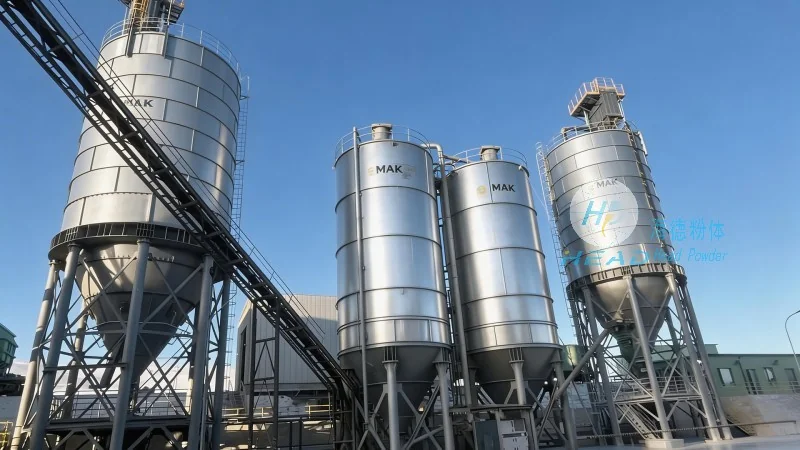
Understanding Synthetic Fiber Pneumatic Conveying: Core Principles
Synthetic fiber pneumatic conveying is a method of transporting loose bulk materials, such as synthetic fibers, through a pipeline using air or gas as the conveying medium. The process involves creating a pressure differential between the inlet and outlet of the system, which propels the material along the pipeline. Key components of this system typically include a hopper for material storage, a rotary valve for controlled discharge, a conveying line, and a receiver for material collection. The air flow is managed by a blower or compressor, which generates the necessary pressure to move the fibers. The efficiency of the system depends on factors like the fiber's density, particle size, and moisture content, as well as the design of the conveying line and air flow control mechanisms.
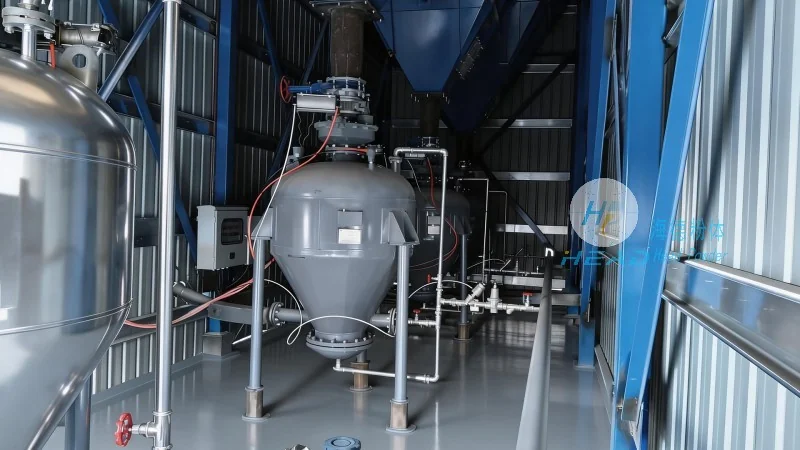
Working Scene Characteristics: Applications and Operational Environments
The operational environments for synthetic fiber pneumatic conveying vary widely, depending on the specific industry and material being handled. In textile manufacturing, for instance, these systems are commonly used to transport raw synthetic fibers from storage silos to processing machines, ensuring a continuous and dust-free flow. The working scene often involves high-volume production lines where material handling speed and consistency are critical. In the automotive and aerospace sectors, synthetic fibers are used in composite materials, and pneumatic conveying systems are employed to deliver these fibers to mixing and molding equipment. These applications require precise control over fiber distribution and moisture levels to maintain product quality. Additionally, in industrial settings where space is limited, the compact design of pneumatic conveying systems offers advantages over traditional mechanical conveying methods, such as belt or screw conveyors. The working scene may also involve integration with other production processes, requiring seamless coordination between the conveying system and downstream equipment.
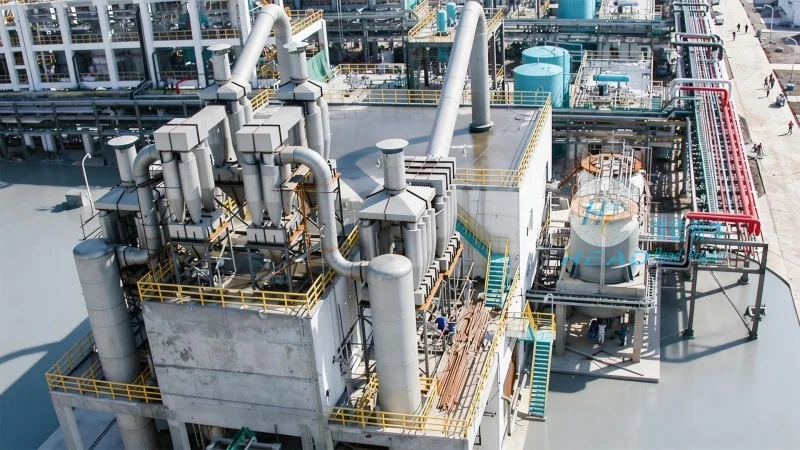
Key Advantages and Considerations in Synthetic Fiber Pneumatic Conveying
One of the primary advantages of synthetic fiber pneumatic conveying is its ability to handle materials that are difficult to transport using traditional methods, such as fine powders or fibers that are prone to bridging or caking. The system's enclosed design minimizes dust emissions, contributing to a cleaner working environment and reduced health risks for operators. Furthermore, the flexibility of pneumatic conveying systems allows for easy reconfiguration or expansion as production needs change. However, operators must consider factors like air consumption, energy efficiency, and maintenance requirements when implementing such systems. Proper system design and regular maintenance are essential to ensure consistent performance and prevent downtime. HeadPowder's expertise in engineering tailored solutions ensures that clients receive systems optimized for their specific synthetic fiber handling needs, balancing efficiency, reliability, and cost-effectiveness.




