Working Principle and Features of Corn Stover Material Pneumatic Conveying Equipment
Release time:2026-09-18 13:01:26
name of the company:Shandong Headpowder Engineering Co., Ltd.
telephone:156-6277-7102
contacts:Zhang manager
Shandong HeadPowder Engineering Co., Ltd., a leading manufacturer based in China, specializes in the design and production of advanced pneumatic conveying systems. The company's expertise lies in providing efficient solutions for handling bulk materials, with a particular focus on equipment tailored for agricultural byproducts like corn stover. This article explores the working principle and key features of the corn stover material pneumatic conveying machine, highlighting its operational efficiency and technical advantages.
Working Principle of Corn Stover Material Pneumatic Conveying Equipment
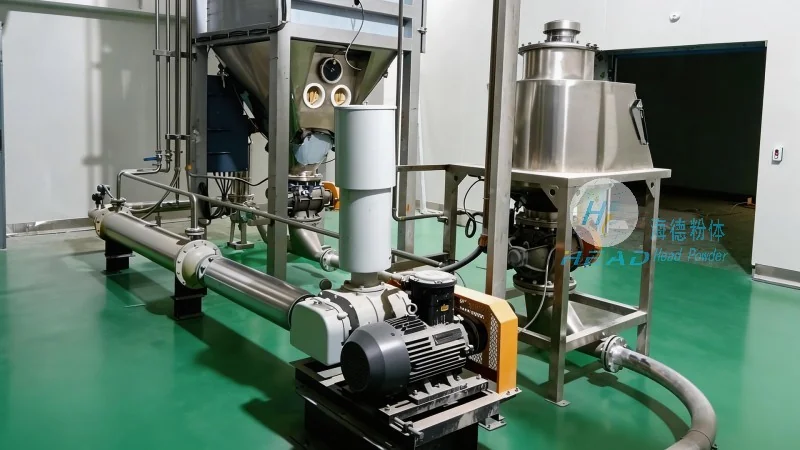
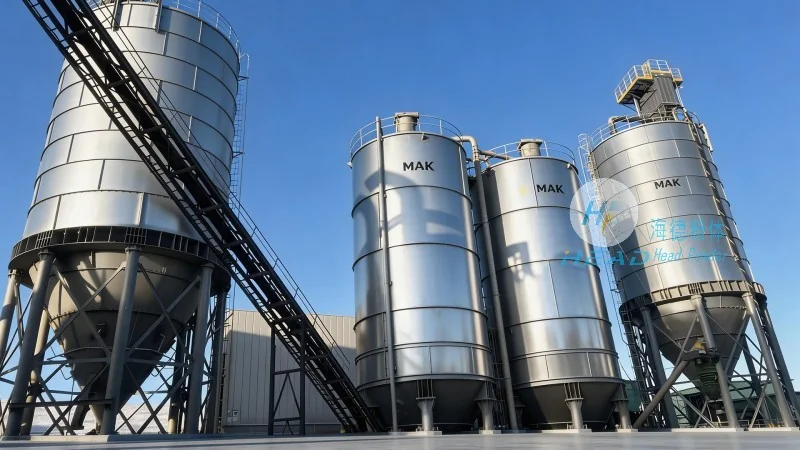
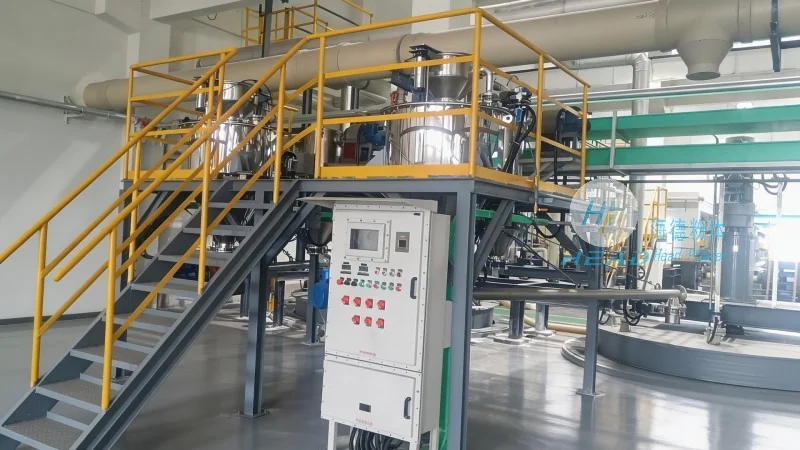
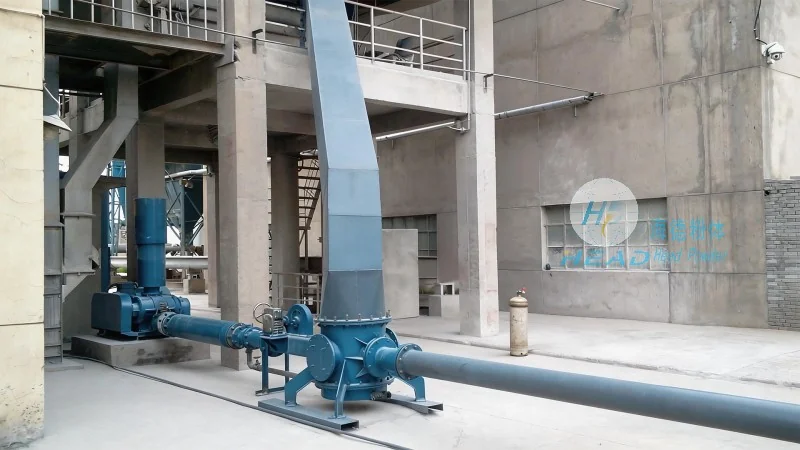
The corn stover material pneumatic conveying machine operates on the principle of pneumatic transport, which involves the use of air to move bulk materials through a pipeline system. The process begins with the material being fed into a hopper or feeder, where it is then introduced into a conveying line. A fan or blower generates a high-pressure air stream that propels the corn stover particles through the pipeline. The machine typically uses a combination of positive and negative pressure zones to ensure smooth and continuous material transport. The system is equipped with control valves and pressure sensors to regulate the air flow and maintain optimal conveying conditions. This design allows for the efficient transfer of corn stover from the source to the destination, minimizing material degradation and energy consumption.
Key Features of Corn Stover Material Pneumatic Conveying Equipment
Shandong HeadPowder Engineering Co., Ltd. has developed several key features that enhance the performance and reliability of the corn stover material pneumatic conveying machine. One of the primary features is the robust construction, which is designed to withstand the abrasive nature of corn stover and other agricultural residues. The equipment is made from high-quality materials, such as stainless steel and corrosion-resistant alloys, ensuring long-term durability and minimal maintenance requirements. Another significant feature is the adjustable conveying speed, which allows operators to control the flow rate based on the specific application needs. This flexibility is crucial for optimizing production efficiency and reducing downtime. The machine also incorporates advanced safety mechanisms, including overload protection and air pressure monitoring, to prevent accidents and ensure safe operation. Additionally, the system is equipped with easy-to-clean components, facilitating regular maintenance and hygiene compliance in food processing or biomass handling applications. These features collectively contribute to the machine's high efficiency, low maintenance costs, and adaptability to various industrial requirements.




