When it comes to transporting beans, selecting the right conveying method is crucial for efficiency, cost-effectiveness, and product quality. Various options are available, each with its own set of advantages and limitations. Understanding these methods helps businesses choose the most suitable solution for their specific needs. In this article, we explore common bean conveying methods and highlight the advantages of HeadPowder's bean pneumatic conveying system.
Overview of Common Bean Conveying Methods
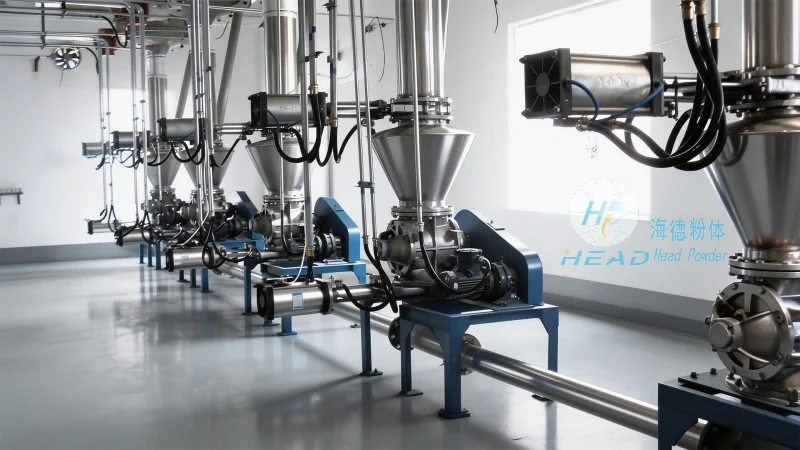
Bean conveying involves moving beans from one location to another within a processing facility or between different stages of production. The primary methods used in the industry include gravity flow, mechanical conveyors, and pneumatic conveying. Each method has distinct characteristics that influence its application in bean processing operations.
Gravity Flow Conveying
Gravity flow, also known as bulk handling, relies on the natural force of gravity to move beans from a higher elevation to a lower one. This method is often used for short distances and when the beans are stored in elevated silos or hoppers. The system typically consists of chutes or troughs that allow beans to slide down under the influence of gravity. While gravity flow is simple and low-cost, it has limitations. It is only effective for horizontal or slightly inclined paths and cannot handle long distances or complex layouts. Additionally, it may cause product degradation due to friction and abrasion, especially for delicate beans like kidney beans or black beans.
Mechanical Conveyors
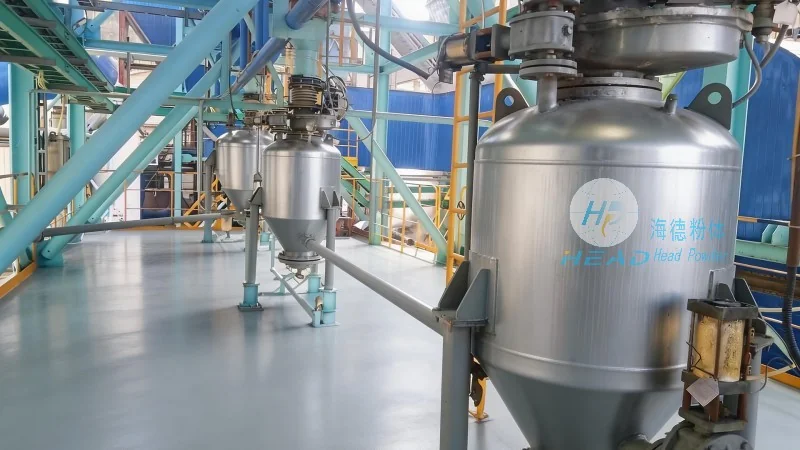
Mechanical conveyors use mechanical components such as belts, screws, or buckets to transport beans. Belt conveyors are widely used for horizontal or slightly inclined transport, while screw conveyors are suitable for vertical or inclined movement. These systems are robust and can handle a wide range of bean types and volumes. However, mechanical conveyors require regular maintenance to prevent wear and tear on components. They also have limitations in terms of space and flexibility, as the conveyor lines are fixed and may need to be reconfigured for different production setups. Moreover, mechanical conveyors can generate dust and noise, which may affect the working environment and product quality.
Pneumatic Conveying: The Superior Choice for Bean Transport
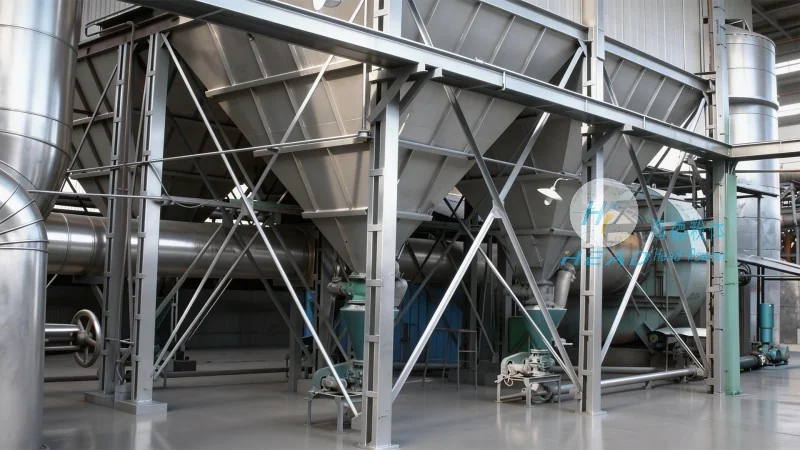
Pneumatic conveying, or air-based transport, uses compressed air to move beans through a pipeline system. This method offers several advantages over traditional gravity and mechanical methods. It is highly flexible, allowing beans to be transported over long distances and through complex layouts without the need for multiple transfer points. Pneumatic systems can handle both horizontal and vertical movement, making them suitable for various processing stages. The key advantage of pneumatic conveying is its ability to maintain product integrity. Beans are transported in a closed system, minimizing exposure to dust, moisture, and contaminants. This helps preserve the quality and flavor of the beans, which is particularly important for premium products like organic or specialty beans.
HeadPowder's Bean Pneumatic Conveying System: Key Advantages
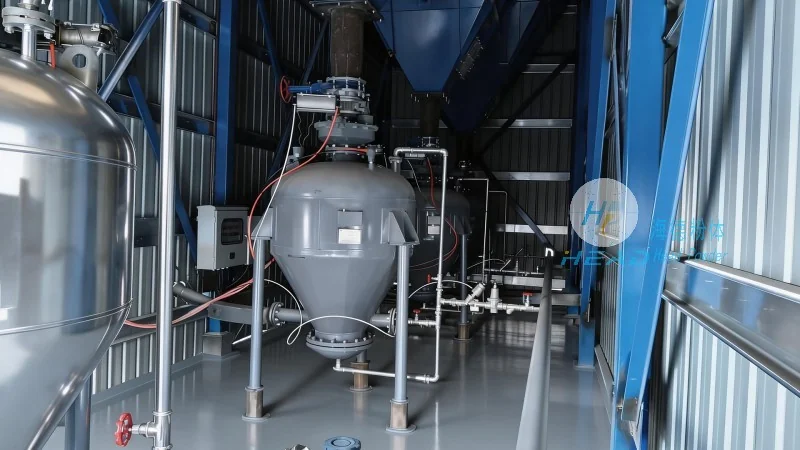
HeadPowder, a leading manufacturer of pneumatic conveying systems, offers advanced solutions tailored for bean processing. The company's bean pneumatic conveying system is designed to address the specific challenges faced by bean producers, ensuring efficient and reliable transport. Key advantages of HeadPowder's system include:
- High Efficiency and Capacity: The system can handle large volumes of beans with minimal downtime, improving overall production throughput. Advanced control systems optimize air flow and pressure, ensuring consistent performance.
- Product Preservation: The closed pipeline design prevents contamination and maintains the natural characteristics of the beans. This is crucial for maintaining the quality and market value of the final product.
- Space Efficiency: Pneumatic conveying systems are compact and can be installed in limited spaces, making them ideal for facilities with space constraints.
- Low Maintenance: The components are designed for durability and long service life, reducing maintenance costs and increasing system reliability.
- Customization: HeadPowder provides customized solutions to meet the unique requirements of each client, including different bean types, processing capacities, and facility layouts.
Conclusion
Choosing the right bean conveying method is essential for optimizing production efficiency and maintaining product quality. While gravity flow and mechanical conveyors have their uses, pneumatic conveying offers superior flexibility, product preservation, and efficiency. HeadPowder's bean pneumatic conveying system stands out as a reliable and advanced solution for bean processing, providing businesses with a competitive edge in the market. By investing in a high-quality pneumatic conveying system from HeadPowder, bean producers can enhance their operational performance and ensure the quality of their products.




