When designing a gypsum powder pneumatic conveying system, it is crucial to consider several key factors to ensure efficiency, reliability, and cost-effectiveness. The system's performance is directly linked to the proper selection of equipment, material properties, and operational parameters. This article provides a comprehensive guide to designing a reasonable gypsum powder pneumatic conveying system, tailored for industrial applications.
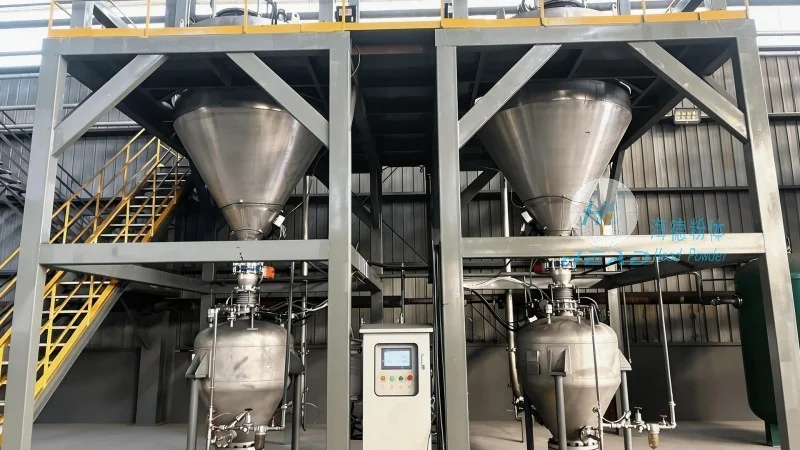
Key Considerations for System Design
Before proceeding with the design, it is essential to evaluate the specific characteristics of the gypsum powder being handled. Factors such as particle size distribution, moisture content, bulk density, and flowability significantly impact the system's performance. For instance, fine gypsum powders may require higher air velocities to prevent clogging, while coarser particles might benefit from lower velocities to reduce energy consumption. Additionally, the presence of moisture can affect the powder's hygroscopic properties, leading to clumping or increased friction within the conveying lines. These factors must be carefully analyzed to determine the optimal conveying method—whether it's a dilute phase or dense phase system.
Equipment Selection and Configuration
The selection of equipment components plays a pivotal role in the system's success. The primary components include the material feed system, air supply unit, conveying pipeline, and material discharge unit. The feed system, often a rotary valve or a star feeder, ensures a consistent and controlled flow of gypsum powder into the pipeline. The air supply unit, typically a blower or a compressor, generates the necessary air pressure to move the material. The conveying pipeline's diameter, length, and material (e.g., stainless steel or plastic) are critical choices that affect pressure drop and energy consumption. For example, stainless steel pipelines are preferred for their corrosion resistance, while plastic pipes are suitable for non-corrosive applications. The discharge unit, such as a rotary valve or a bagging machine, safely releases the gypsum powder at the destination point.
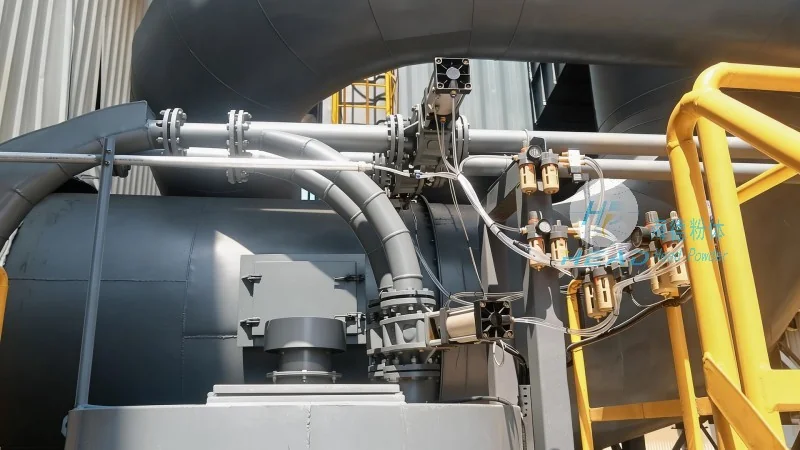
System Sizing and Pressure Drop Analysis
Accurate system sizing is essential to avoid under- or over-designing the equipment. The pressure drop along the conveying line is a key parameter that determines the required air volume and pressure. Engineers use empirical formulas or computational fluid dynamics (CFD) simulations to calculate the pressure drop based on the powder's properties, pipeline dimensions, and air velocity. For gypsum powder, the pressure drop per unit length of pipe can be estimated using the Ergun equation, which accounts for both laminar and turbulent flow regimes. By analyzing the pressure drop, engineers can select the appropriate blower capacity and motor size to ensure the system operates within its efficiency range. Additionally, the system's capacity, measured in terms of material throughput (e.g., tons per hour), must be matched with the production requirements to avoid bottlenecks or excess energy use.
Material Handling and Safety Measures
Proper material handling and safety measures are indispensable to prevent accidents and maintain system integrity. Gypsum powder is generally non-toxic but can cause respiratory issues if inhaled in large quantities. Therefore, the system should incorporate dust collection and filtration systems to capture airborne particles and ensure a safe working environment. The conveying pipelines should be designed with smooth internal surfaces to minimize friction and prevent material buildup. Regular maintenance, such as cleaning and inspection of components, is necessary to prevent clogging and ensure long-term operation. Furthermore, the system should include safety features like pressure relief valves and emergency shut-off mechanisms to protect against over-pressurization or other operational hazards.
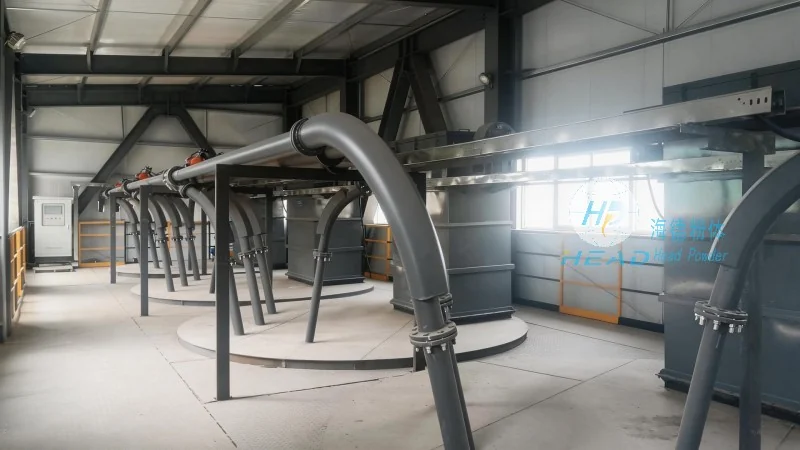
Case Study: Successful Implementation by Shandong HeadPowder Engineering Co., Ltd.
Shandong HeadPowder Engineering Co., Ltd., a leading provider of pneumatic conveying solutions, has successfully designed and implemented gypsum powder systems for various industrial clients. For instance, a cement plant in China required a system to transport fine gypsum powder from storage silos to the production line. The company's engineers conducted a thorough analysis of the powder's properties, including particle size (ranging from 10 to 200 microns) and moisture content (below 2%), and selected a dilute phase system with a stainless steel pipeline. The system was configured with a rotary valve feed, a high-efficiency blower, and a bagging unit at the discharge end. The pressure drop was calculated to be approximately 0.5 bar per 100 meters of pipeline, and the system was sized to handle 10 tons of gypsum per hour. The implementation resulted in a 20% reduction in energy consumption compared to the previous system and improved material handling efficiency by 15%. This case study highlights the importance of tailored system design and professional engineering expertise in achieving optimal performance.
Conclusion and Recommendations
Designing a reasonable gypsum powder pneumatic conveying system requires a systematic approach that considers material properties, equipment selection, and operational parameters. By following the guidelines outlined in this article, engineers can develop a system that is efficient, reliable, and cost-effective. It is recommended to consult with experienced suppliers, such as Shandong HeadPowder Engineering Co., Ltd., to ensure the system is tailored to specific application needs. Regular monitoring and maintenance of the system are also essential to maintain its performance over time. With proper design and implementation, gypsum powder pneumatic conveying systems can significantly enhance industrial productivity and operational efficiency.




