When it comes to designing an efficient and reliable dry powder pneumatic conveying system, several critical factors must be considered to ensure optimal performance and long-term operational success. This article will guide you through the essential steps and considerations for creating a well-designed system, with a focus on the expertise of Shandong HeadPowder Engineering Co., Ltd., a leading provider in the field.
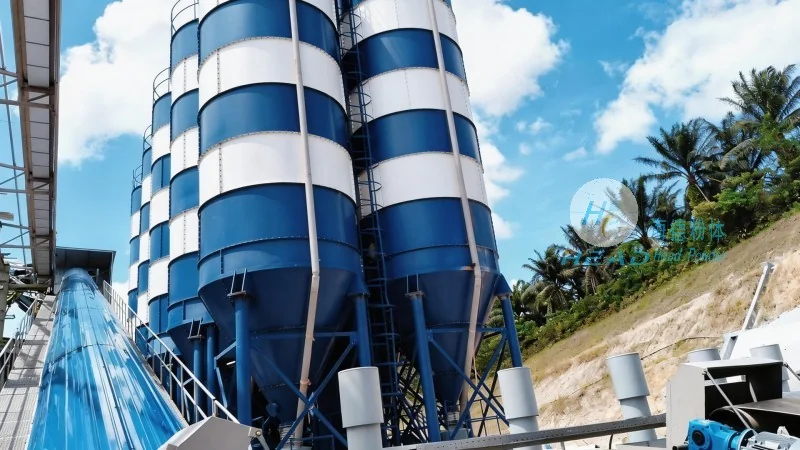
Understanding the Core Principles of Dry Powder Pneumatic Conveying
Dry powder pneumatic conveying systems utilize air or other gases to transport dry powders from one location to another. The effectiveness of such systems depends heavily on the proper selection of components, including the type of conveyor, air supply, and material handling equipment. At Shandong HeadPowder Engineering Co., Ltd., our team of experts specializes in evaluating material properties, such as particle size, density, and flowability, to determine the most suitable conveying method. This initial assessment is crucial for preventing system inefficiencies and ensuring the system operates within its design parameters.
Key Design Considerations for Optimal System Performance
Several key factors must be addressed during the design phase to achieve a reliable dry powder pneumatic conveying system. First, the selection of the appropriate conveying system type—whether it’s a positive pressure, negative pressure, or mixed system—depends on the specific application and material characteristics. For example, positive pressure systems are ideal for long-distance or high-capacity applications, while negative pressure systems are better suited for handling fine powders that may be prone to dusting. Our engineers at Shandong HeadPowder Engineering Co., Ltd. carefully analyze the material’s behavior under different pressure conditions to recommend the most effective solution.
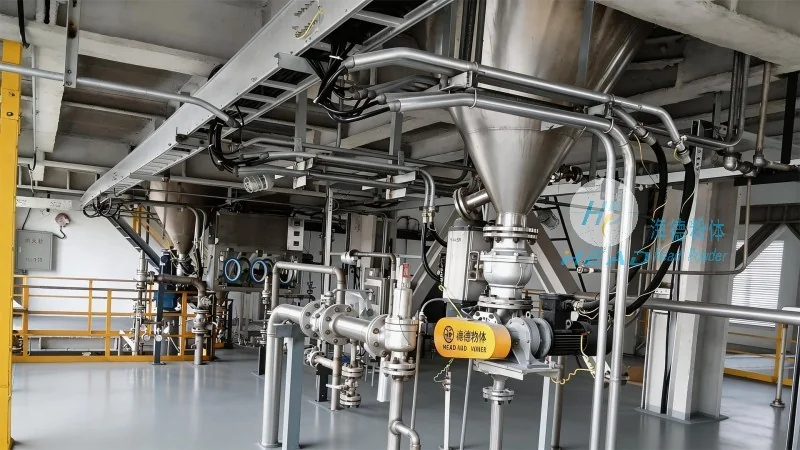
Second, the air supply system plays a vital role in the overall performance of the pneumatic conveying system. The air compressor, filter, and pressure regulator must be sized appropriately to meet the system’s demand while maintaining energy efficiency. We at Shandong HeadPowder Engineering Co., Ltd. emphasize the importance of using high-quality air filtration to prevent contamination of the conveyed material and to extend the lifespan of system components. Additionally, the design of the pipeline network, including the use of appropriate pipe materials and fittings, is critical to minimize pressure drop and ensure smooth material flow.
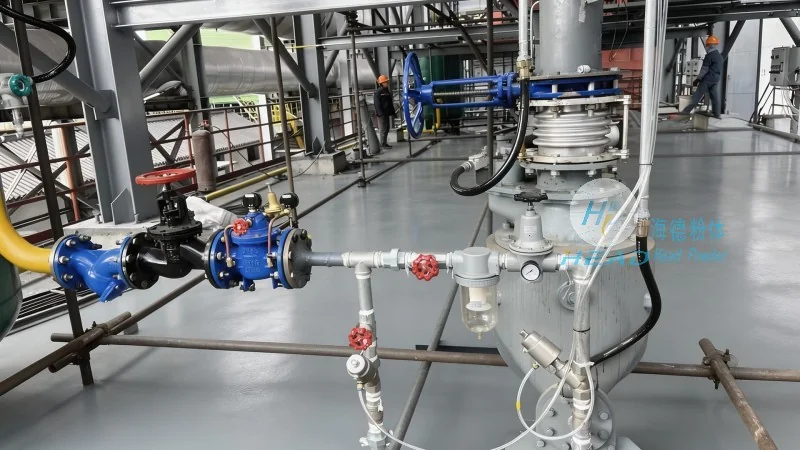
System Sizing and Capacity Planning
Accurate system sizing is essential to prevent overloading or underutilization of the pneumatic conveying equipment. The capacity of the system must be matched to the production requirements and the characteristics of the dry powder being transported. Our team at Shandong HeadPowder Engineering Co., Ltd. employs advanced computational fluid dynamics (CFD) and empirical formulas to calculate the required air velocity, pressure, and flow rate. This ensures that the system can handle the intended material volume without excessive energy consumption or material degradation. Furthermore, we consider factors such as the system’s duty cycle, expected downtime for maintenance, and future expansion needs to provide a scalable solution that meets current and future operational demands.
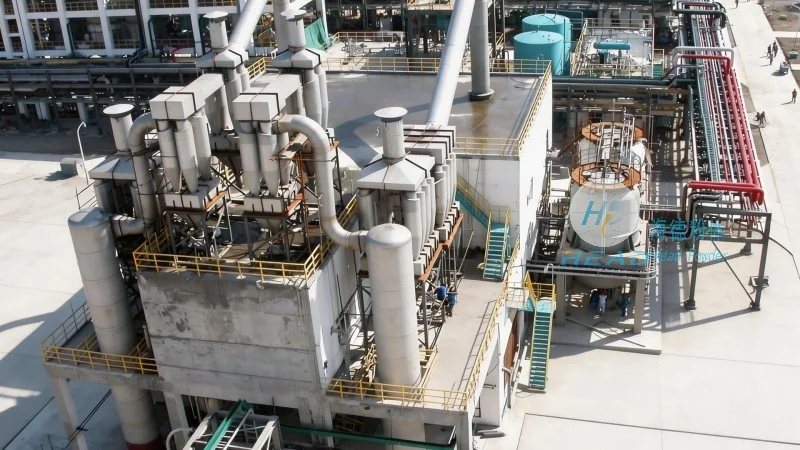
Material Handling and Equipment Integration
The integration of material handling equipment, such as feeders, hoppers, and receivers, is a critical aspect of a well-designed dry powder pneumatic conveying system. The feeders must be capable of delivering a consistent flow rate to the system, while the hoppers should be designed to minimize material bridging and segregation. At Shandong HeadPowder Engineering Co., Ltd., we work closely with clients to select the most suitable equipment based on the material’s flow properties and the system’s operational requirements. For example, for cohesive or fine powders, we may recommend the use of rotary valves or screw feeders to ensure reliable material discharge. The receivers, where the material is deposited, must be designed to prevent dust accumulation and to facilitate easy unloading.
Installation, Commissioning, and Maintenance
Proper installation and commissioning are essential to ensure the dry powder pneumatic conveying system operates as intended. Our team at Shandong HeadPowder Engineering Co., Ltd. follows strict installation protocols to minimize leaks and ensure all components are properly aligned. Commissioning involves testing the system under various operating conditions to verify performance and identify any potential issues. Regular maintenance is also crucial to maintain system efficiency and longevity. We provide comprehensive maintenance services, including routine inspections, component replacement, and performance monitoring, to ensure the system continues to operate at optimal levels.




