When it comes to efficient material handling in industrial settings, especially for lightweight and fine materials like sawdust and wood flakes, the pneumatic conveying system stands out as a reliable solution. This equipment is designed to transport these materials through a pipeline using air pressure, offering a clean, dust-free, and flexible method of material transfer. The working principle and key features of such systems are crucial for understanding their application and benefits in various industrial processes. Developed by Shandong HeadPowder Engineering Co., Ltd. (headpowder), these systems are engineered to meet the demands of modern industrial applications.
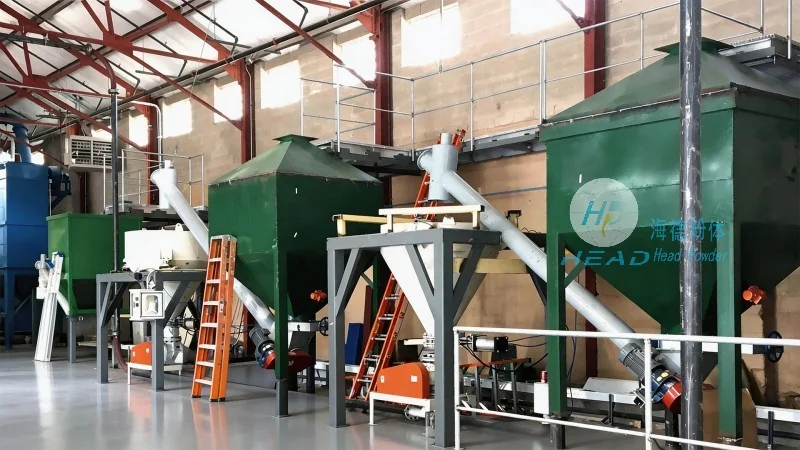
Working Principle of Sawdust and Wood Flakes Pneumatic Conveying Systems
The core of a sawdust and wood flakes pneumatic conveying system lies in its ability to use air as the conveying medium. The system typically operates on the principle of creating a pressure differential within the pipeline. In a positive pressure system, air is blown into the pipeline, carrying the material forward. Conversely, in a negative pressure (or vacuum) system, air is drawn out, creating a vacuum that pulls the material along. For sawdust and wood flakes, which are light and have a tendency to settle, the positive pressure system is often preferred as it provides consistent and reliable transport without the need for complex vacuum setups. The system includes key components such as a hopper for material storage, a feeder to control the flow rate, a conveyor pipeline, and a receiver for the discharged material. The feeder is critical as it ensures a steady supply of material, preventing blockages and maintaining consistent air flow. The pipeline design, often made of stainless steel or other corrosion-resistant materials, is tailored to handle the abrasive nature of wood particles and to minimize friction losses. The receiver at the end of the pipeline collects the material, often equipped with a filter to prevent dust from escaping into the environment. The entire system is controlled by a system of valves and sensors that monitor pressure, flow, and material level, ensuring safe and efficient operation.
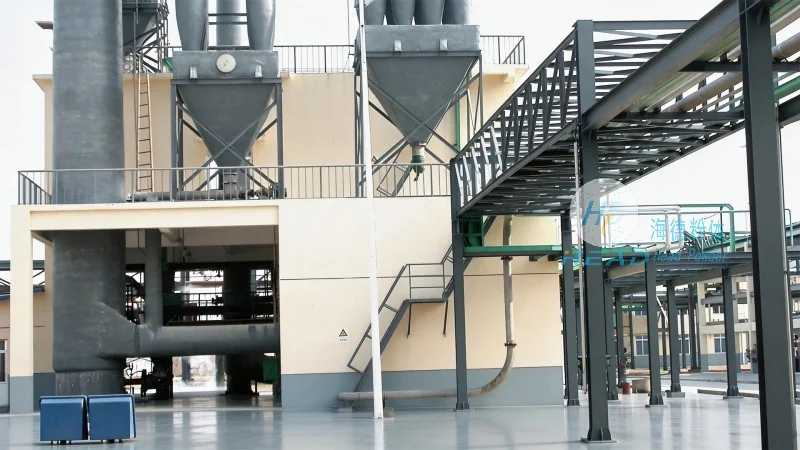
Key Features of Sawdust and Wood Flakes Pneumatic Conveying Equipment
Several distinct features make sawdust and wood flakes pneumatic conveying systems particularly suitable for their applications. Firstly, the system offers a dust-free environment, which is essential in industries where air quality is a concern, such as woodworking or biomass processing. Unlike traditional belt or bucket elevators, which can generate significant dust and require additional dust control measures, pneumatic systems keep the material enclosed within the pipeline, reducing airborne particles and improving workplace safety. Secondly, the flexibility of the system allows for easy integration into existing production lines. The pipeline can be routed around obstacles and adapted to different layouts, making it a versatile solution for various factory configurations. Thirdly, the system provides a high degree of automation, with sensors and controls that adjust the air flow and material feed in real-time. This automation not only improves efficiency but also reduces the risk of overloading or underloading the system, which can lead to equipment damage or material loss. Another important feature is the ability to handle a wide range of material sizes and moisture contents. Sawdust and wood flakes can vary in size from fine powders to larger flakes, and the system is designed to accommodate these variations without clogging. The use of appropriate air velocities and pipeline diameters ensures that even the finest particles are conveyed effectively. Additionally, the system is relatively low maintenance compared to other material handling equipment. The components are designed to withstand the abrasive nature of wood particles, and regular cleaning and inspection are sufficient to maintain optimal performance. This reduces downtime and operational costs, making the system a cost-effective solution for long-term use.
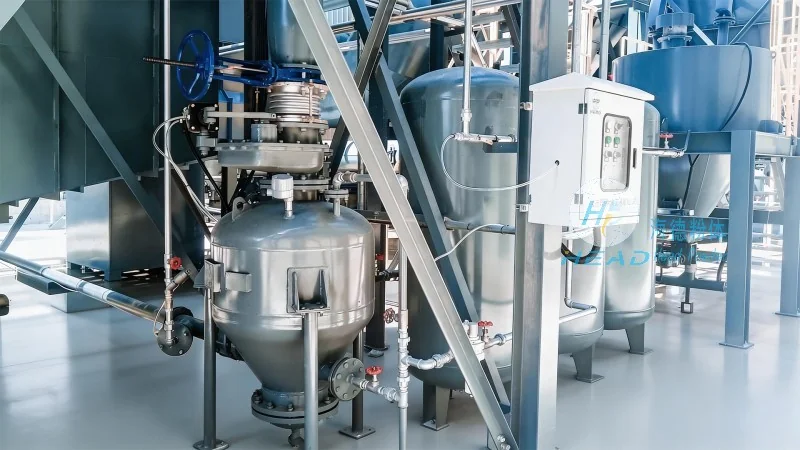
Applications and Benefits in Industrial Settings
Sawdust and wood flakes pneumatic conveying systems are widely used in various industrial applications, particularly in the woodworking, paper, and biomass energy sectors. In woodworking factories, these systems are used to transport sawdust from the cutting and shaping processes to storage or further processing units, such as pelletizing or board manufacturing. The ability to handle large volumes of material efficiently and without dust makes it ideal for these applications. In the paper industry, the system is used to convey wood chips and other raw materials to the pulping process, where they are converted into paper pulp. The consistent and clean transport of these materials is crucial for maintaining the quality of the final product. In biomass energy production, the system is used to transport wood chips and sawdust to the combustion or gasification units, where they are converted into energy. The high efficiency and low environmental impact of the system make it a preferred choice for sustainable energy generation. The benefits of using such systems extend beyond just material handling. The dust-free operation improves worker health and safety, reducing the risk of respiratory diseases associated with wood dust exposure. The automation and control features enhance operational efficiency, allowing for better production planning and reduced labor costs. Furthermore, the system's ability to handle a wide range of materials makes it a versatile solution that can adapt to changing production needs, providing a long-term investment with high return on investment.




