For industries dealing with polypropylene resin powder, efficient material handling is crucial to maintain production efficiency and product quality. Pneumatic conveying is a widely adopted method for transporting such powders, offering a range of benefits and specific operational characteristics. This article explores the working principle and key features of pneumatic conveying systems designed for polypropylene resin powder materials, with a focus on the expertise of Shandong HeadPowder Engineering Co., Ltd.
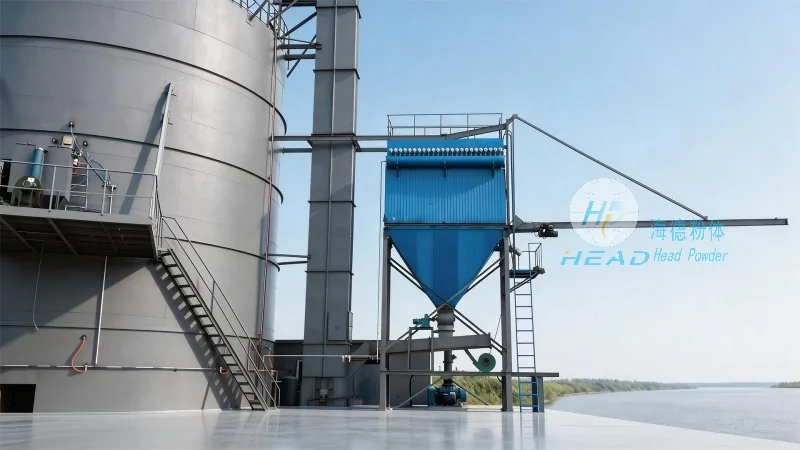
Understanding Pneumatic Conveying Systems for Polypropylene Resin Powder
Pneumatic conveying, also known as air conveying, is a technology that uses compressed air or vacuum to transport bulk materials like polypropylene resin powder through a pipeline system. This method is particularly suitable for polypropylene resin powders due to their fine particle size and potential for static electricity, which can affect traditional mechanical conveying methods. The system typically consists of a hopper, a conveyor line, and a receiver, with the material being drawn or pushed through the pipeline by the air flow.
The Working Principle of Pneumatic Conveying for Polypropylene Resin Powder
The core principle of pneumatic conveying for polypropylene resin powder involves creating a flow of air within a closed pipeline. There are two main types of pneumatic conveying systems: positive pressure and negative pressure. Positive pressure systems use a blower to force air into the pipeline, carrying the powder from the source to the destination. Negative pressure systems, on the other hand, use a vacuum pump to create a low-pressure environment that draws the powder into the pipeline. For polypropylene resin powder, positive pressure systems are often preferred as they can handle higher material loads and are more effective in preventing material degradation due to the absence of direct contact with the pipeline walls.
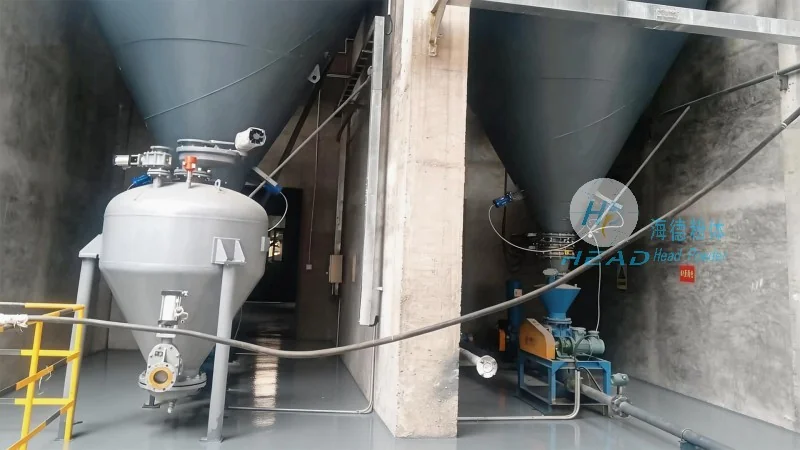
In the case of polypropylene resin powder, the material is first loaded into a hopper equipped with a feeder. The feeder controls the flow rate of the powder into the pipeline. As the compressed air from the blower is introduced, it creates a high-velocity air stream that entrains the powder particles. The mixture of air and powder travels through the pipeline, with the air velocity maintained above the minimum required to prevent particle separation and deposition. At the receiving end, a cyclone separator or a filter system separates the powder from the air, allowing the powder to be collected in a designated container while the air is either recirculated or discharged.
Key Characteristics and Advantages of Pneumatic Conveying for Polypropylene Resin Powder
Pneumatic conveying systems for polypropylene resin powder exhibit several distinct characteristics that make them advantageous in industrial applications. One of the primary benefits is the ability to handle fine powders without the need for mechanical components that could cause particle attrition or contamination. The enclosed pipeline design also helps in maintaining a controlled environment, reducing the risk of dust emissions and ensuring compliance with environmental regulations. Additionally, pneumatic conveying allows for flexible system layouts, as the pipeline can be arranged in various configurations to suit the plant layout, enabling efficient material transfer between different processing stages.
Another significant characteristic is the system's ability to handle materials with varying properties, such as moisture content or static charge. By adjusting the air velocity and pressure, the conveying system can be optimized to prevent material bridging or agglomeration, which are common issues in traditional conveying methods. This adaptability makes pneumatic conveying suitable for polypropylene resin powders, which may have varying particle sizes and flow characteristics depending on the production process.
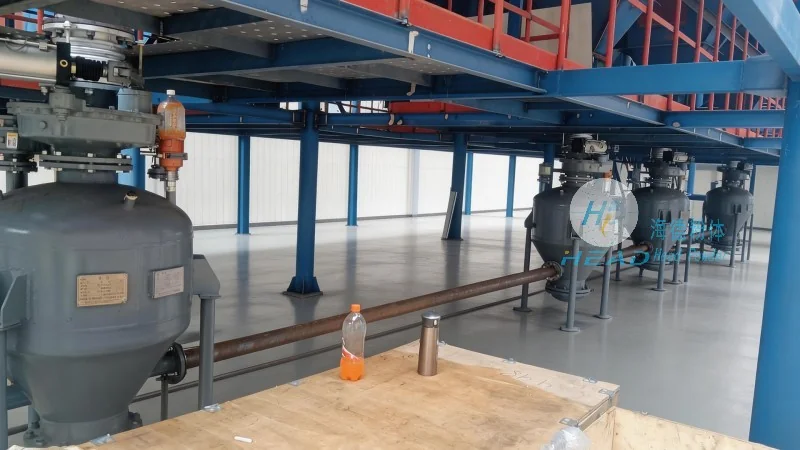
Challenges and Considerations in Pneumatic Conveying of Polypropylene Resin Powder
While pneumatic conveying offers numerous advantages, it also presents certain challenges that need to be addressed. One of the main challenges is the potential for pipeline blockages, especially if the polypropylene resin powder contains moisture or has a tendency to stick to the pipeline walls. Regular maintenance and cleaning of the pipeline, as well as the use of anti-static measures, are essential to prevent such issues. Additionally, the energy consumption of pneumatic conveying systems can be higher compared to mechanical conveying methods, as the air flow requires significant power input. However, the overall efficiency and material handling capacity often outweigh the energy costs, making it a cost-effective solution for large-scale polypropylene resin powder processing.
Application Examples and Industry Impact
Pneumatic conveying systems for polypropylene resin powder are widely used in various industries, including plastics manufacturing, chemical processing, and food processing. In the plastics industry, for instance, these systems are used to transport polypropylene resin from storage silos to extrusion lines, ensuring a continuous and controlled feed of material. The ability to maintain a consistent flow rate and prevent material degradation is critical for maintaining the quality of the final plastic products. In chemical processing, pneumatic conveying is used to transport polypropylene resin powders between different processing units, such as drying and compounding stages, where precise material handling is essential for product consistency.
The use of pneumatic conveying in these applications has led to improved production efficiency and reduced downtime. By eliminating the need for manual handling and mechanical conveyors, the risk of material contamination and human error is minimized. Additionally, the enclosed system design helps in maintaining a clean and safe working environment, which is particularly important in industries where polypropylene resin powders may pose health or safety risks.
Conclusion and Company Overview
Pneumatic conveying is a highly effective method for transporting polypropylene resin powder materials, offering a combination of efficiency, flexibility, and environmental benefits. The working principle, which involves the use of compressed air to move the powder through a pipeline, is well-suited to the characteristics of polypropylene resin powders, including their fine particle size and potential for static charge. The key characteristics of these systems, such as enclosed design, controlled air flow, and adaptability to varying material properties, make them a preferred choice for industrial applications.
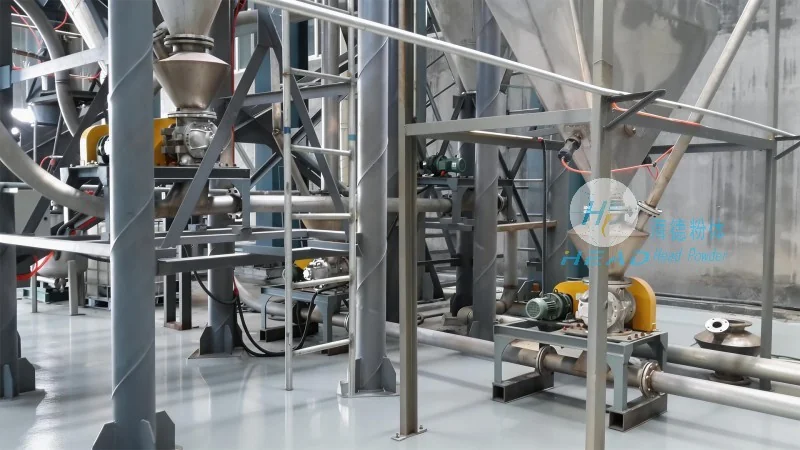
Shandong HeadPowder Engineering Co., Ltd., a leading provider of material handling solutions, specializes in designing and manufacturing pneumatic conveying systems tailored to the specific needs of polypropylene resin powder applications. With a focus on innovation and customer satisfaction, HeadPowder has developed advanced systems that address the challenges of polypropylene resin powder handling, ensuring reliable and efficient material transport. The company's expertise in pneumatic conveying technology, combined with its commitment to quality and service, makes it a trusted partner for industries seeking to optimize their polypropylene resin powder processing operations.




