

Working Principle and Features of Dust Gas-Pneumatic Conveying Systems
Dust gas-pneumatic conveying systems are essential equipment in industrial processes, particularly for the efficient handling and transportation of fine powders and dust materials. These systems utilize compressed air or other gases to transport particulate materials from one location to another, offering a flexible and effective solution for various applications in industries such as mining, chemical processing, and food production. Understanding the working principle and key features of these systems is crucial for selecting the right equipment for specific operational needs.
Working Principle of Dust Gas-Pneumatic Conveying Lines
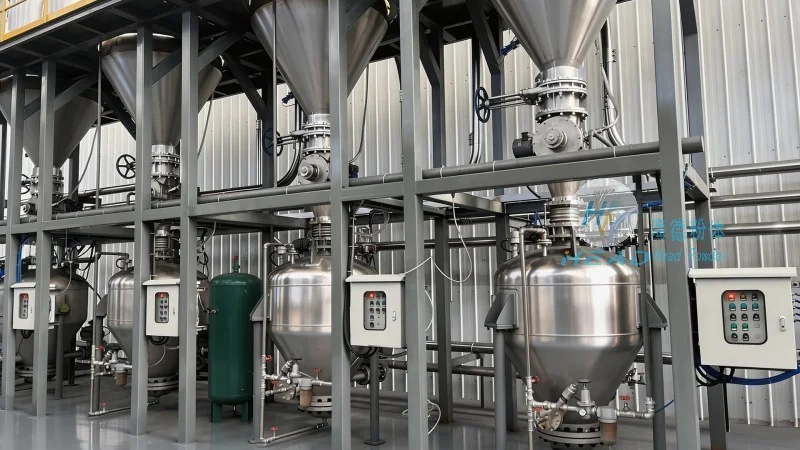
The core mechanism of a dust gas-pneumatic conveying line involves the use of a blower or compressor to generate a high-pressure air stream. This air stream is then introduced into a pipeline system where the material to be conveyed is introduced at the inlet. As the air flows through the pipeline, it entrains the dust particles, creating a slurry-like mixture known as a "pneumatic stream." The combination of air velocity and particle size determines the efficiency of the conveying process. The system typically includes components such as a hopper for material storage, a rotary valve or feeder for controlled material discharge, a pipeline network, and a receiver or collection tank at the discharge end. The air flow then transports the material through the pipeline, and upon reaching the receiver, the air is separated from the material, often through a cyclone separator or filter, allowing the dust to be collected and the air to be recycled or vented.
Key Features of Dust Gas-Pneumatic Conveying Systems
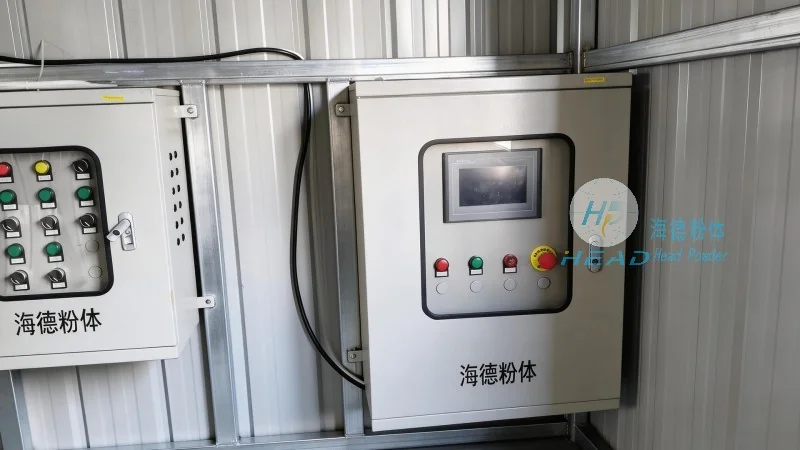
Several notable features distinguish dust gas-pneumatic conveying systems from other material handling methods. Firstly, they offer a closed system operation, which helps in controlling dust emissions and maintaining a clean working environment. This is particularly important in industries where dust is a health hazard or where environmental regulations are stringent. Secondly, these systems provide high flexibility in terms of layout and installation, as the pipelines can be easily routed around obstacles or through different levels of a facility. Thirdly, they are capable of handling a wide range of particle sizes and densities, from very fine powders to coarser materials, making them versatile for diverse applications. Additionally, the systems can operate at varying pressures, allowing for both low and high-pressure conveying, which influences the distance and throughput capacity. Another key feature is the ability to integrate with other process equipment, such as mixers, dryers, or reactors, enabling a seamless flow of materials within a production line. The maintenance requirements are generally lower compared to mechanical conveyors, as there are fewer moving parts exposed to wear and tear. Furthermore, the energy efficiency of modern gas-pneumatic systems has improved significantly, with advanced blowers and air recycling systems reducing operational costs.
Applications and Benefits in Industrial Settings
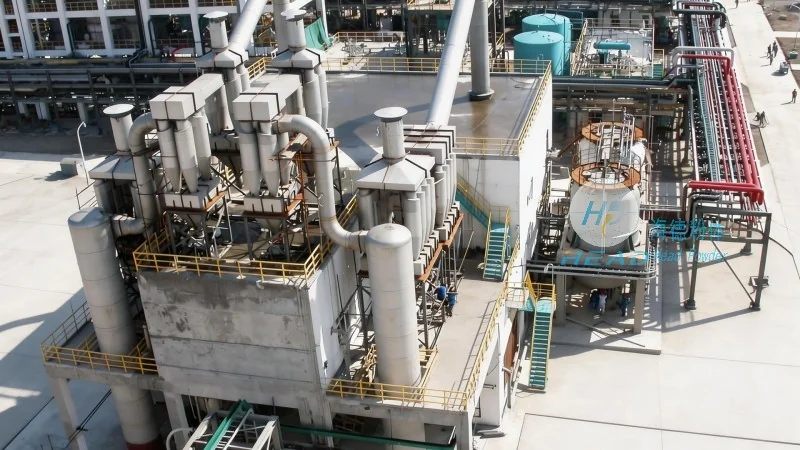
Dust gas-pneumatic conveying systems find extensive applications across various industries due to their adaptability and efficiency. In the mining sector, they are used to transport ore dust from processing plants to storage or disposal sites. In chemical processing, these systems handle fine powders like catalysts, pigments, and pharmaceuticals, ensuring precise and controlled material transfer. The food industry also benefits from these systems, as they can transport dry ingredients such as flour, sugar, and spices without contamination or degradation. The benefits of using dust gas-pneumatic conveyors include improved safety by minimizing dust exposure, reduced material loss due to enclosed systems, and enhanced process control through adjustable air flow and pressure settings. Additionally, the systems contribute to better environmental compliance by containing dust emissions, which is a critical factor in modern industrial operations.
About Shandong HeadPowder Engineering Co., Ltd.
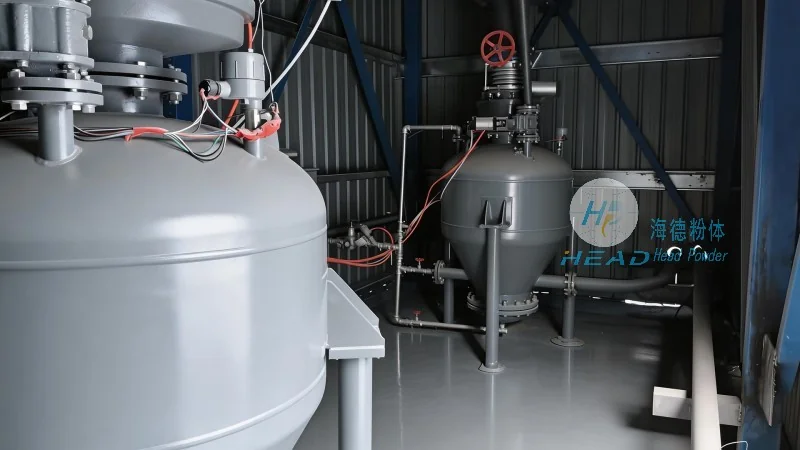
Shandong HeadPowder Engineering Co., Ltd., commonly known as headpowder, is a leading manufacturer and supplier of dust gas-pneumatic conveying systems and related industrial equipment. With a strong focus on innovation and quality, the company has established itself as a trusted partner in the material handling industry. HeadPowder's products are designed to meet the specific needs of clients, offering customized solutions that enhance operational efficiency and safety. The company's facilities are located in Shandong, China, where it leverages advanced manufacturing technologies and a skilled workforce to produce high-performance conveying systems. HeadPowder adheres to international standards and quality control measures to ensure that its equipment meets the highest industry benchmarks. By combining technical expertise with customer-centric service, HeadPowder aims to provide reliable and durable solutions for dust and powder handling challenges faced by industries worldwide.