

Working Principle and Features of Positive and Negative Pressure Hybrid Pneumatic Conveying Systems
Hybrid pneumatic conveying systems, particularly those utilizing a combination of positive and negative pressure, represent a sophisticated solution for material handling in various industrial applications. These systems are designed to efficiently transport bulk materials over long distances with minimal maintenance and operational complexity. The integration of both positive and negative pressure mechanisms allows for versatile handling of a wide range of materials, from fine powders to bulk solids, making them an ideal choice for industries such as food processing, pharmaceuticals, and chemical manufacturing.
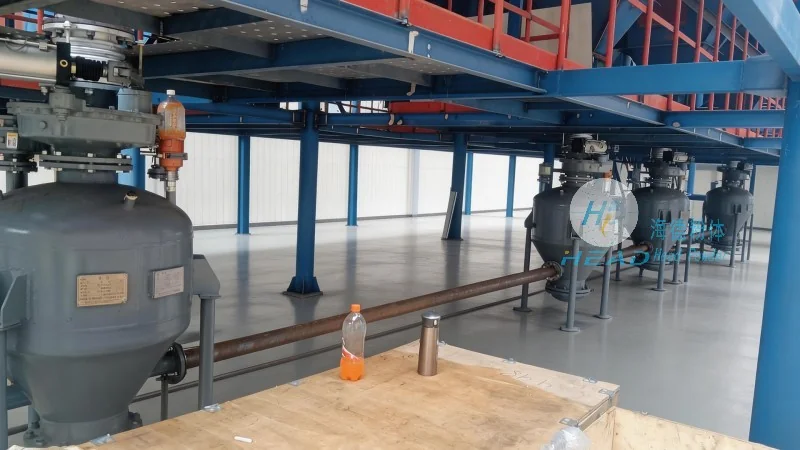
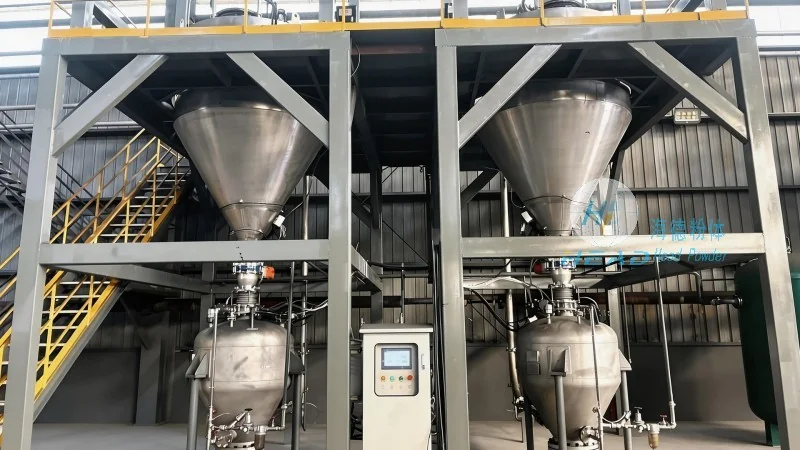
Understanding the Working Principle of Positive and Negative Pressure Hybrid Pneumatic Conveying Systems
At the core of a positive and negative pressure hybrid pneumatic conveying system lies a dual-stage operation that leverages both pressure differentials to move materials. The system typically initiates with a positive pressure section where compressed air is introduced into the conveying line, creating a pressure differential that propels the material forward. This initial stage is effective for short to medium distances and for materials that are less prone to segregation or degradation under high pressure. As the material travels further, the system transitions to a negative pressure section, where a vacuum is created to draw the material from the source or to maintain a consistent flow. This hybrid approach ensures that the system can handle both the initial acceleration of the material and the subsequent deceleration or collection, optimizing energy usage and material integrity. The positive pressure stage typically operates at pressures ranging from 0.5 to 2 bar, depending on the material's properties and the distance to be covered. In contrast, the negative pressure stage uses a lower vacuum, usually between 0.1 to 0.5 bar, to control the return flow and prevent material spillage. The seamless transition between these two stages is managed by control valves and pressure sensors, which adjust the air flow and pressure in real-time to maintain optimal conveying conditions.
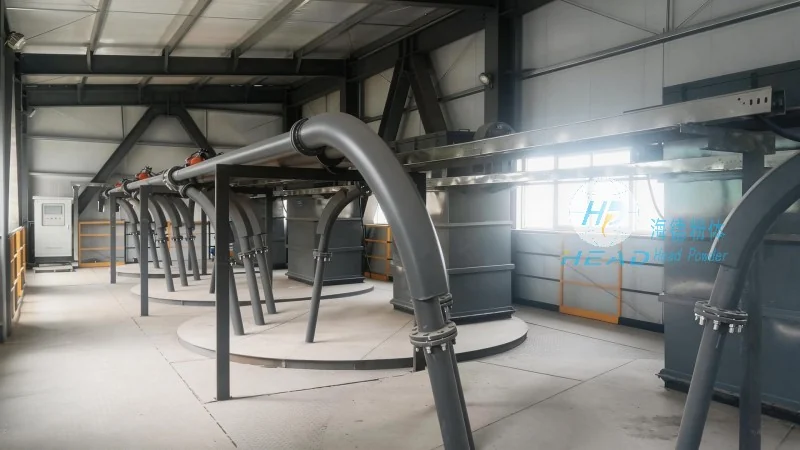
Key Features and Advantages of Hybrid Pneumatic Conveying Systems
One of the primary advantages of positive and negative pressure hybrid systems is their ability to handle a diverse range of materials with varying properties. Unlike traditional systems that may struggle with abrasive or corrosive materials, the hybrid design provides flexibility in material selection. The system can efficiently transport fine powders, granules, and bulk solids, making it suitable for applications where material characteristics change frequently. Additionally, these systems offer improved energy efficiency compared to single-pressure systems, as the positive pressure stage handles the initial push while the negative pressure stage manages the return or collection phase. This dual mechanism reduces the overall air consumption and operational costs, making them economically viable for long-term use. Another notable feature is the reduced risk of material degradation, as the system minimizes exposure to high temperatures or excessive pressure, which can be detrimental to sensitive products. The hybrid design also allows for easier integration with existing infrastructure, as it can be adapted to various plant layouts and production requirements. Furthermore, the systems are designed with minimal moving parts, reducing maintenance requirements and downtime. This reliability is crucial for continuous production environments where interruptions can lead to significant losses.
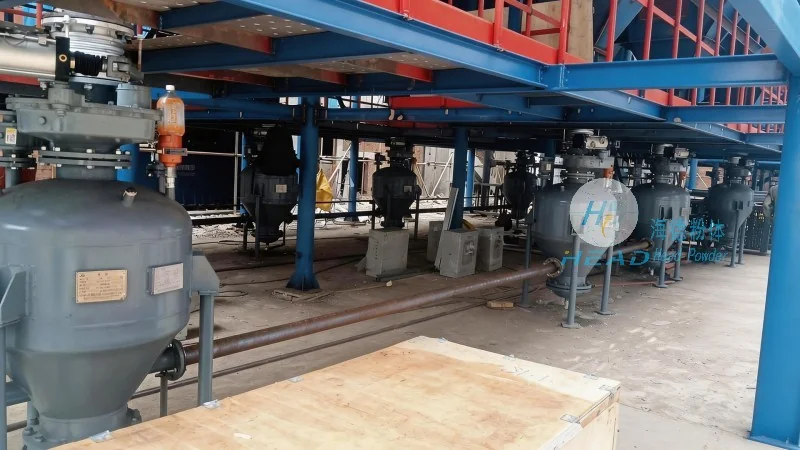
Applications and Industries Benefiting from Hybrid Pneumatic Conveying
Hybrid pneumatic conveying systems are widely adopted across multiple industries due to their adaptability and efficiency. In the food and beverage sector, these systems are crucial for transporting ingredients like flour, sugar, and spices, where hygiene and product purity are paramount. The ability to maintain low temperatures and prevent contamination makes them suitable for sensitive food products. For instance, in a bakery, a hybrid system can transport flour from storage silos to mixing equipment without compromising the quality of the flour. Similarly, in the pharmaceutical industry, the systems are used to handle active pharmaceutical ingredients (APIs) and excipients, ensuring that the materials remain sterile and free from cross-contamination. The chemical industry also benefits from these systems when handling powders and granules, as they can manage materials with varying moisture content and particle sizes. Furthermore, in the agricultural sector, hybrid systems are employed for the transport of grain, feed, and other bulk agricultural products, facilitating efficient storage and processing operations. The versatility of these systems makes them a preferred choice for industries that require consistent and reliable material handling solutions.