

What is Sorghum Material Pneumatic Conveying Equipment? And What Are Its Design Principles?
Sorghum, a versatile cereal grain widely used in food, feed, and industrial applications, requires efficient handling and transportation systems to ensure optimal processing and value preservation. Pneumatic conveying equipment has emerged as a critical solution for moving sorghum and other bulk materials with precision and reliability. This article explores the concept of sorghum material pneumatic conveying equipment, detailing its design principles, operational benefits, and the technical considerations that make it a preferred choice in agricultural and industrial sectors.
Understanding Pneumatic Conveying Systems for Sorghum
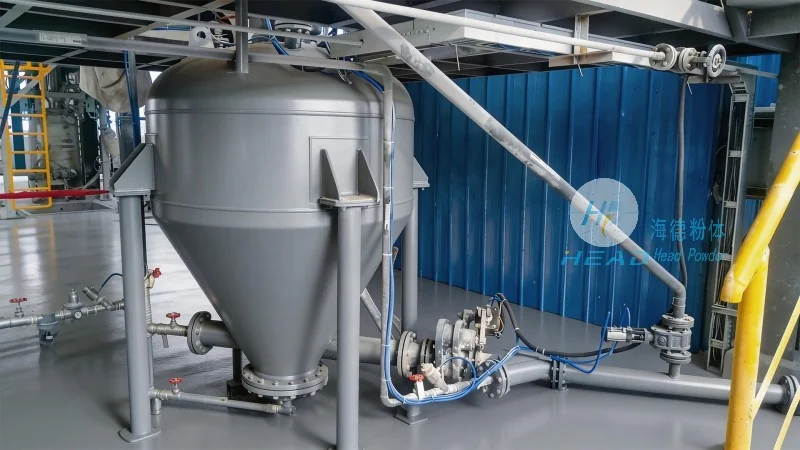
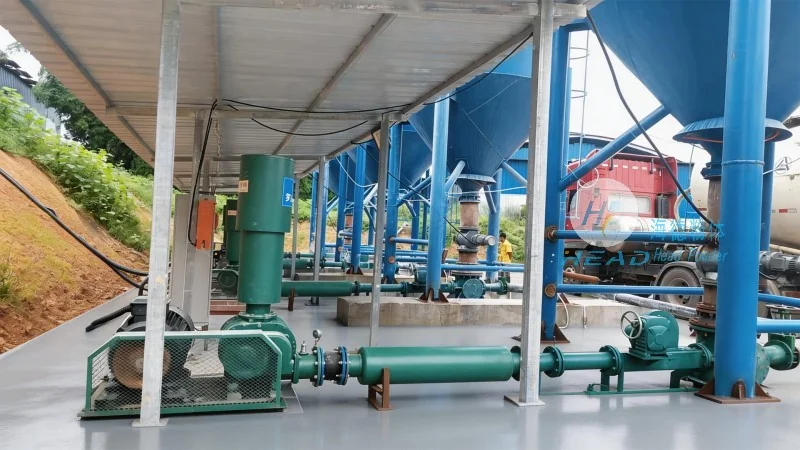
Pneumatic conveying systems utilize air or gas to transport bulk materials like sorghum through a pipeline network. Unlike traditional mechanical conveyors, these systems offer advantages such as reduced material degradation, minimal contamination, and the ability to handle a wide range of particle sizes and moisture contents. The core components of a sorghum pneumatic conveying system typically include a hopper for material storage, a blower or compressor to generate airflow, a pipeline system for material transport, and a receiver or discharge point for the material. The design of these components is tailored to the specific characteristics of sorghum, ensuring efficient and safe operation.
Key Design Principles of Sorghum Pneumatic Conveying Equipment
The design of sorghum pneumatic conveying equipment is governed by several fundamental principles aimed at maximizing efficiency, minimizing energy consumption, and ensuring material integrity. One of the primary principles is the selection of appropriate air velocity and pressure. The air velocity must be sufficient to lift and transport sorghum particles without causing excessive wear on the pipeline or equipment components. This is typically achieved by calculating the required air flow rate based on the material's bulk density, particle size distribution, and the system's overall length and elevation changes. Additionally, the system's pressure drop across the pipeline is carefully managed to balance energy efficiency with the ability to overcome resistance from bends, fittings, and vertical lifts.
Another critical design principle is the consideration of material characteristics. Sorghum, with its relatively high bulk density and potential for stickiness or agglomeration, requires equipment that can handle these properties without clogging or damaging the material. The hopper design, for instance, often incorporates a conical shape with a smooth interior to facilitate material flow and prevent bridging. The blower or compressor used in the system is selected based on the required air volume and pressure, ensuring it can maintain consistent airflow throughout the conveying process. The pipeline system is typically made of materials like stainless steel or polyethylene, chosen for their resistance to corrosion and wear from sorghum particles.
Operational Benefits and Applications
Sorghum pneumatic conveying equipment offers numerous operational benefits that make it an attractive solution for various industries. One of the key advantages is the ability to transport sorghum over long distances with minimal labor and maintenance requirements. The system can be integrated into existing processing lines, allowing for seamless material transfer from storage to processing units. Additionally, pneumatic conveying systems are highly flexible, enabling the movement of sorghum to multiple destinations or processing stages without the need for complex reconfiguration. This flexibility is particularly valuable in industries where production demands or product lines may change frequently.
The equipment also contributes to improved material quality and safety. By avoiding direct contact with mechanical components, the system reduces the risk of material contamination from dust, debris, or foreign objects. This is especially important for sorghum used in food or pharmaceutical applications, where purity and hygiene are paramount. Furthermore, the enclosed nature of pneumatic conveying systems helps to control dust emissions, improving workplace safety and compliance with environmental regulations.
Technical Considerations and Customization
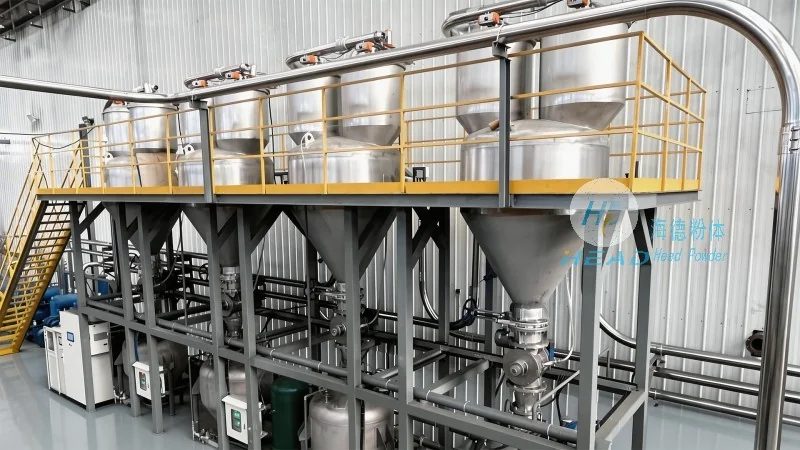
The successful implementation of sorghum pneumatic conveying equipment depends on careful consideration of several technical factors. System designers must account for the sorghum's bulk density, which can vary based on moisture content and particle size. Higher bulk density may require higher air velocities or pressure to maintain efficient transport. Similarly, the particle size distribution of sorghum can impact system performance; finer particles may require more careful control of air flow to prevent clogging or excessive pressure drop. The system's layout, including the number and angle of bends, the length of horizontal and vertical runs, and the placement of receivers and hoppers, all influence the overall efficiency and cost-effectiveness of the equipment.
Customization is a critical aspect of sorghum pneumatic conveying equipment design. Manufacturers, such as Shandong HeadPowder Engineering Co., Ltd., based in China, offer tailored solutions that address the specific needs of each client. These solutions may include adjustments to air velocity, pressure, or pipeline diameter, as well as the integration of additional components like filters, cyclones, or dust collection systems. The goal is to create a system that not only meets the current processing requirements but also allows for future expansion or adaptation to changing production demands.
Conclusion
Sorghum material pneumatic conveying equipment represents a sophisticated and efficient solution for handling and transporting this valuable cereal grain. By adhering to key design principles, such as appropriate air velocity and pressure management, material characteristic consideration, and system customization, these equipment systems ensure reliable operation, minimal material degradation, and optimal processing outcomes. As industries continue to seek more efficient and sustainable material handling solutions, pneumatic conveying equipment remains a cornerstone technology, particularly for applications involving sorghum and other bulk agricultural products.