

What is a Caustic Soda Powder Pneumatic Conveying Line? Exploring Its Design Principles
Caustic soda, also known as sodium hydroxide, is a widely used chemical in various industrial applications, including manufacturing, water treatment, and chemical processing. The efficient and safe transportation of caustic soda powder from storage to processing units is crucial for maintaining production efficiency and ensuring workplace safety. This article explores the concept of a caustic soda powder pneumatic conveying line and delves into its fundamental design principles, highlighting the technology's role in modern industrial operations. The insights shared here are based on the expertise of Shandong HeadPowder Engineering Co., Ltd., a leading provider of industrial conveying solutions, with decades of experience in designing and implementing systems for handling caustic and hazardous materials.
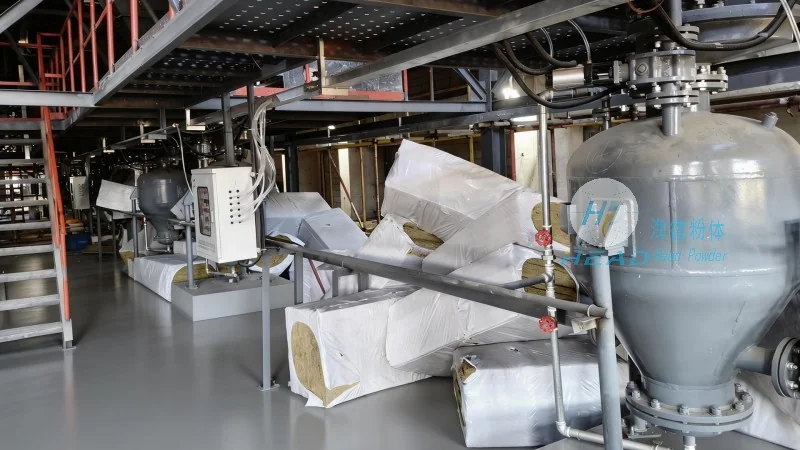
Understanding Pneumatic Conveying Technology
Pneumatic conveying is a method of transporting bulk materials, such as powders and granules, using a stream of pressurized air or gas. Unlike traditional mechanical conveying systems like screw conveyors or belt conveyors, pneumatic conveying offers several advantages, including flexibility in layout, ability to handle hazardous materials, and reduced risk of material contamination. For caustic soda powder, which is highly caustic and can cause severe burns, the choice of conveying method is critical. Pneumatic systems provide a closed-loop environment that minimizes exposure to the material and operators, enhancing safety protocols.
Key Components of a Caustic Soda Powder Pneumatic Conveying Line
A typical caustic soda powder pneumatic conveying system consists of several key components that work in tandem to ensure reliable material transport. These components include:
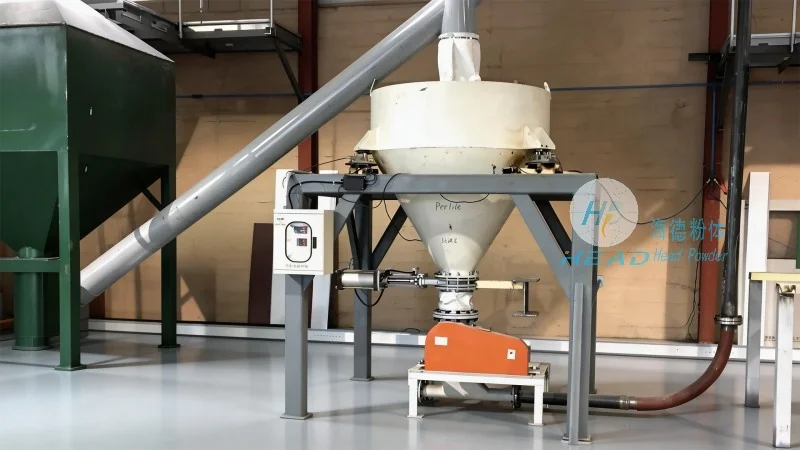
- Feed Hopper: The feed hopper is the initial storage and feeding unit where caustic soda powder is loaded. It is designed to hold a sufficient quantity of material to maintain a steady flow to the conveying line. The hopper may include a rotary valve or a gate valve to control the discharge of powder into the conveying line.
- Conveying Pipe: The conveying pipe is the main channel through which the caustic soda powder is transported. It is typically made of corrosion-resistant materials, such as stainless steel or special alloys, to withstand the chemical properties of caustic soda. The pipe diameter and length are carefully selected based on the material's flow characteristics and the system's required capacity.
- Air Supply System: The air supply system generates the necessary pressure and flow of air to move the powder through the conveying pipe. This system includes a blower or compressor, air filters, and pressure regulators. The air pressure is adjusted to match the material's specific gravity and particle size, ensuring efficient and consistent transport.
- Control Valves and Branch Lines: Control valves and branch lines are used to direct the powder to different processing units or storage locations. These components allow for flexible routing of the material, enabling the system to serve multiple destinations within the industrial facility.
- Receiving Hopper or Silo: The receiving hopper or silo is the final destination where the caustic soda powder is deposited. It is designed to handle the incoming material and may include a discharge valve or a rotary valve to control the release of powder into subsequent processing equipment.
Design Principles for Optimal Performance
The design of a caustic soda powder pneumatic conveying line is based on several key principles to ensure efficiency, reliability, and safety. These principles include:
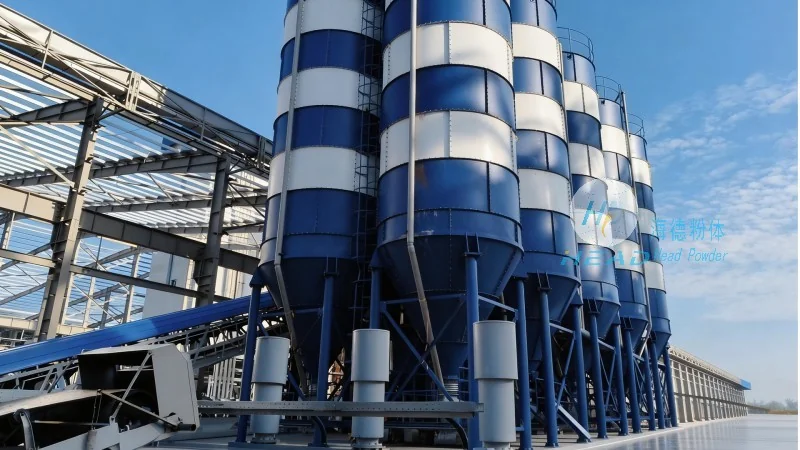
- Material Flow Analysis: Before designing the system, engineers perform a thorough analysis of the caustic soda powder's physical properties, such as particle size distribution, moisture content, and bulk density. This analysis helps determine the appropriate air velocity and pressure required for effective transport. For caustic soda, which can be abrasive and corrosive, the selection of materials for the conveying components is critical to prevent wear and degradation over time.
- System Sizing and Capacity: The conveying line's capacity is determined based on the production requirements and the desired throughput of caustic soda powder. The pipe diameter, air flow rate, and blower capacity are sized to handle the expected material volume without causing excessive pressure drops or material degradation. Proper sizing ensures that the system operates within its optimal range, minimizing energy consumption and maintenance needs.
- Pressure Drop Management: Pressure drop is a critical factor in pneumatic conveying systems, as it affects the energy required to move the material. Engineers design the system to minimize pressure drop by optimizing pipe length, diameter, and bends. The use of smooth, corrosion-resistant pipes and proper bend radii helps reduce friction losses, ensuring efficient material transport.
- Safety and Environmental Considerations: Given the hazardous nature of caustic soda, the design incorporates robust safety features. The system is typically enclosed to prevent dust emissions and exposure to operators. Emergency shut-off valves and pressure relief devices are installed to mitigate risks in case of equipment failure or overpressure situations. Additionally, the system may include filtration and dust collection units to comply with environmental regulations and maintain air quality.
- Integration with Processing Equipment: The pneumatic conveying line is designed to seamlessly integrate with downstream processing equipment, such as reactors, mixers, or storage tanks. The receiving hopper or silo is sized to match the capacity of the processing units, ensuring a continuous and uninterrupted flow of material. Proper alignment and connection of the conveying line to the processing equipment are essential to avoid material blockages or spills.
Applications and Benefits in Industrial Settings
Caustic soda powder pneumatic conveying lines are widely used in various industrial applications where the safe and efficient transport of caustic soda is essential. Some common applications include:
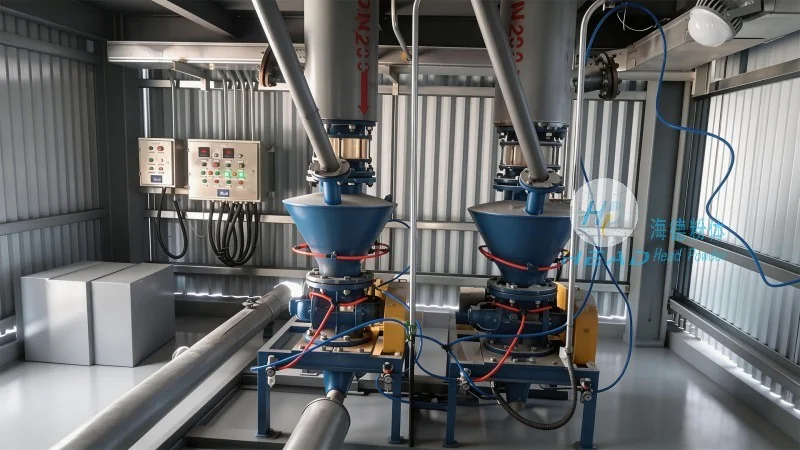
- Chemical Manufacturing: In chemical plants, caustic soda is used in the production of soaps, detergents, and other chemical products. The pneumatic conveying system ensures that the powder is transported from storage to reactors or mixers without exposure to the environment or personnel.
- Water Treatment: Caustic soda is used in water treatment facilities to adjust pH levels and remove impurities. The conveying line delivers the powder to dosing systems, ensuring precise and controlled addition of the chemical to the water treatment process.
- Food and Beverage Industry: In some food processing applications, caustic soda is used for cleaning and sanitizing equipment. The pneumatic conveying system provides a safe and hygienic method of transporting the powder to cleaning tanks or spray systems.
- Industrial Cleaning and Maintenance: Caustic soda is used in industrial cleaning solutions for heavy-duty cleaning tasks. The conveying line delivers the powder to cleaning equipment, ensuring consistent and effective cleaning operations.
The benefits of using a caustic soda powder pneumatic conveying line include improved safety, reduced labor costs, increased production efficiency, and lower maintenance requirements compared to traditional mechanical conveying systems. The closed-loop design minimizes dust exposure, protecting both operators and the environment. Additionally, the flexibility of pneumatic systems allows for easy reconfiguration or expansion as production needs change.
Conclusion
In conclusion, a caustic soda powder pneumatic conveying line is a critical component in modern industrial operations, providing a safe, efficient, and reliable method for transporting caustic soda powder. The design principles, including material flow analysis, system sizing, pressure drop management, and safety considerations, ensure that the system operates optimally while meeting the stringent requirements of handling a highly caustic chemical. As industries continue to prioritize safety and efficiency, pneumatic conveying technology remains a preferred choice for caustic soda powder transport, offering a robust solution that enhances overall operational performance. Shandong HeadPowder Engineering Co., Ltd. specializes in the design, manufacturing, and installation of such systems, serving clients across China with tailored solutions that meet their specific industrial needs.