

Dye Powder Pneumatic Conveying System: What It Is and Its Design Principles
For industrial applications involving the handling of dye powders, efficient and reliable material transport is crucial. A dye powder pneumatic conveying system offers a solution that combines precision, safety, and adaptability. This article explores what such a system entails and delves into its fundamental design principles, providing insights into how it operates and why it is essential in modern manufacturing processes. The system operates by using compressed air or a vacuum to move the fine dye powder particles through a pipeline. The air acts as a carrier, suspending the powder and transporting it from the source to the destination. This method is particularly effective for dyes because their fine particle size makes them difficult to handle with traditional mechanical conveyors, which often suffer from clogging and material degradation.
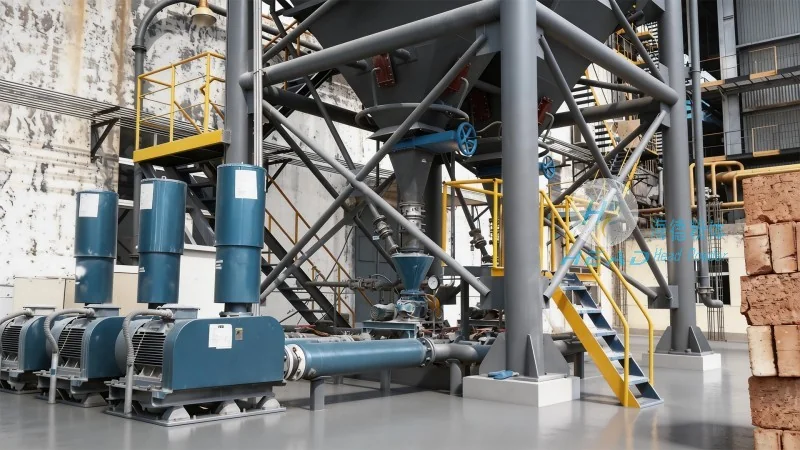
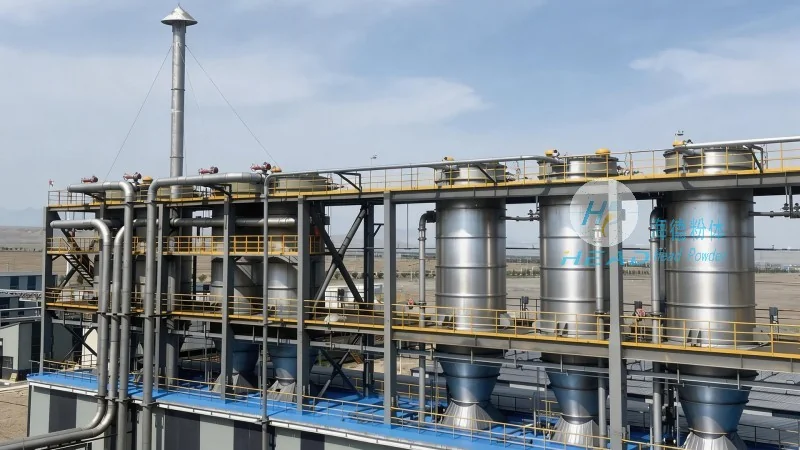
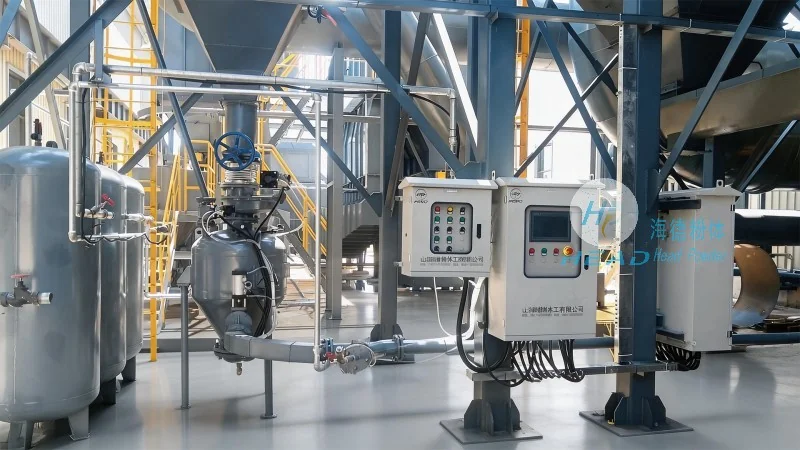
Understanding the Dye Powder Pneumatic Conveying System
The dye powder pneumatic conveying system is a specialized equipment designed to transport dry powder materials, specifically dyes, through a pressurized or vacuum environment. Unlike traditional mechanical conveying methods like screw conveyors or belt conveyors, pneumatic systems use air or gas as the medium to move the powder. This approach is particularly advantageous for dye powders due to their fine particle size, which can be prone to dusting and clogging in conventional systems. The system typically consists of several key components, including a hopper for material storage, a feeder to control the flow rate, a conveying line (often a pipe), and a receiver for the discharged material. Each component plays a vital role in ensuring smooth and efficient operation. The hopper is where the dye powder is initially stored, and it is designed to minimize material degradation and prevent agglomeration, which can affect the quality of the dye. The feeder regulates the precise flow rate of the dye powder into the conveying line, ensuring consistent material transport. The conveying line, usually made of stainless steel or other corrosion-resistant materials, is the pathway through which the powder is transported. It can be pressurized (positive pressure system) or vacuum-based (negative pressure system), depending on the application requirements. The receiver is the final component where the conveyed dye powder is deposited, designed to collect the material efficiently and prevent spillage or contamination.
Key Components and Their Functions
1. Hopper: The hopper is the initial storage unit where dye powders are held before being conveyed. It is constructed from materials like stainless steel or plastic to prevent corrosion and ensure durability. The hopper may include features such as a discharge gate or a rotary valve to regulate the flow of material into the feeder. These features help maintain a consistent material level and prevent overfilling or underfilling. 2. Feeder: The feeder is responsible for controlling the precise flow rate of the dye powder into the conveying line. This component is critical for maintaining consistent material transport and preventing overloading or underloading of the system. Common types of feeders include rotary valves, star feeders, or screw feeders, each offering different levels of control and suitability for various powder characteristics. For example, a rotary valve is often used for fine powders due to its ability to control flow accurately without causing particle degradation. 3. Conveying Line: The conveying line, typically made of stainless steel or PTFE-coated pipes, is the pathway through which the dye powder is transported. The line can be pressurized (positive pressure system) or vacuum-based (negative pressure system), depending on the application requirements. Positive pressure systems use compressed air to push the powder through the line, while negative pressure systems use suction to draw the powder. The choice of system depends on factors such as the distance to be covered, the volume of material, and the need to minimize dust emissions. The line may also include bends, elbows, or expansion joints to accommodate changes in direction or elevation. 4. Receiver: The receiver is the final component where the conveyed dye powder is deposited. It is designed to collect the material efficiently and prevent spillage or contamination. The receiver may include a discharge valve or a rotary valve to control the release of the material into the next processing stage. Additionally, some systems include a filter or a dust collector to capture any airborne particles and ensure environmental compliance. The receiver is often equipped with a level indicator to monitor the material level and prevent overfilling.