Alumina, also known as aluminum oxide, is a versatile industrial material widely used in the production of ceramics, refractory materials, and various chemical products. The efficient and safe handling of alumina is essential for industrial processes, as it directly impacts productivity and operational safety. To meet these demands, specialized equipment has been developed to transport, store, and process alumina. This article provides an overview of alumina material handling equipment and explores the fundamental design principles that underpin their functionality and reliability.
About HeadPowder Engineering
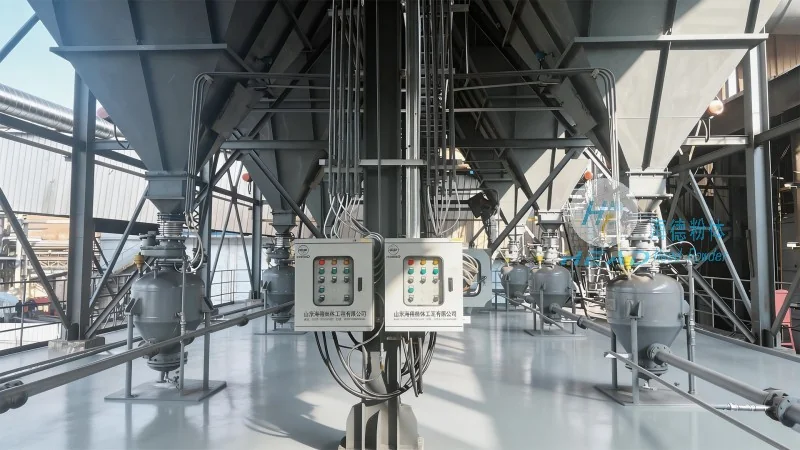
HeadPowder Engineering, a prominent manufacturer based in Shandong, China, is dedicated to providing advanced material handling solutions tailored to the needs of industries dealing with alumina and other bulk materials. The company, officially known as Shandong HeadPowder Engineering Co., Ltd., has established a strong reputation for innovation, quality, and customer-centric service. With its headquarters located in Shandong, China, HeadPowder Engineering leverages local expertise and resources to deliver high-performance equipment that meets international standards. The company’s commitment to research and development ensures that its products are continuously improved to address evolving industry requirements.
Types of Alumina Material Handling Equipment
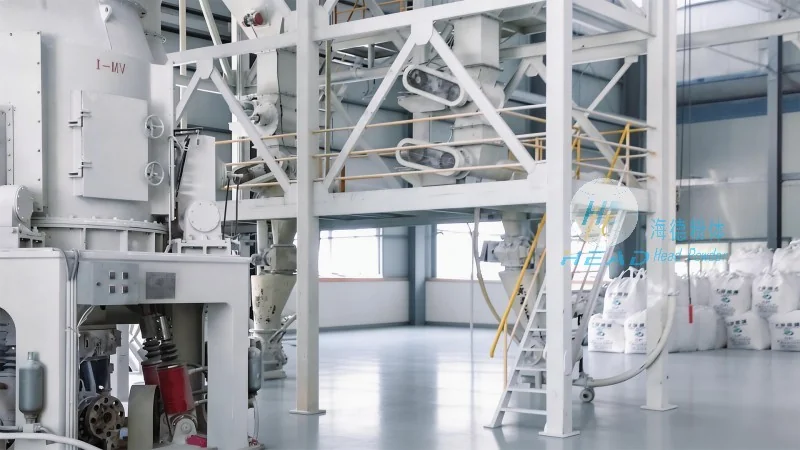
Alumina material handling equipment encompasses a range of machinery designed to handle bulk alumina efficiently. Common types include belt conveyors, bucket elevators, pneumatic conveyors, and storage silos. Each type serves a specific role in the alumina handling process, from initial material intake to final discharge. For example, belt conveyors are widely used for horizontal and inclined transport of alumina over short to medium distances, offering high capacity and low maintenance costs. Bucket elevators, on the other hand, are ideal for vertical lifting and horizontal transport, making them suitable for multi-level industrial facilities. Pneumatic conveyors utilize air pressure to move alumina through pipelines, providing flexibility in layout and enabling dust-free transport in controlled environments. Storage silos are used to store large quantities of alumina, ensuring a steady supply for processing operations.
Design Principles for Alumina Handling Equipment
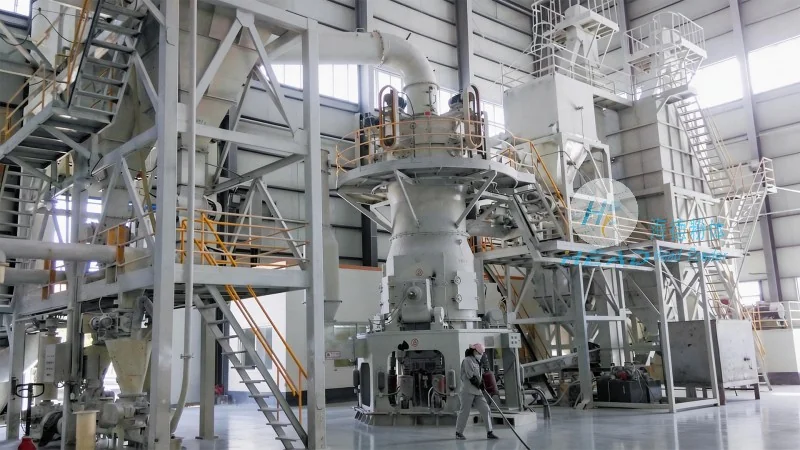
The design of alumina material handling equipment follows several critical principles to ensure durability, efficiency, and safety. First, the equipment must be constructed from materials resistant to corrosion and abrasion, as alumina is a abrasive material that can cause significant wear on machinery components. Stainless steel, high-grade alloys, and specialized coatings are commonly employed to protect equipment from the harsh conditions of alumina handling. Second, the design must consider the flow characteristics of alumina, which can vary based on moisture content and particle size. Properly designed hoppers and chutes are essential to maintain consistent material flow, preventing blockages and ensuring smooth operation. Third, safety is a paramount design consideration. Equipment is equipped with safety features such as overload protection, emergency stop buttons, and protective guards to minimize risks associated with handling bulk materials. Additionally, the design must comply with industrial safety standards to ensure the well-being of operators and the integrity of the equipment.
Key Features and Benefits
Modern alumina material handling equipment from HeadPowder Engineering incorporates advanced features that enhance performance and user experience. These include adjustable speed controls for precise material flow, automated level sensors to monitor storage levels, and integrated cleaning systems to maintain equipment efficiency. The benefits of using specialized alumina handling equipment include increased productivity, reduced labor costs, and improved safety. By automating the handling process, industries can achieve higher throughput rates while minimizing the risk of accidents and material loss. Furthermore, the durability and reliability of the equipment ensure long-term operational efficiency, reducing downtime and maintenance expenses. HeadPowder Engineering’s equipment is designed to be user-friendly, with intuitive controls and easy maintenance, making it suitable for both new and existing industrial facilities.
Conclusion
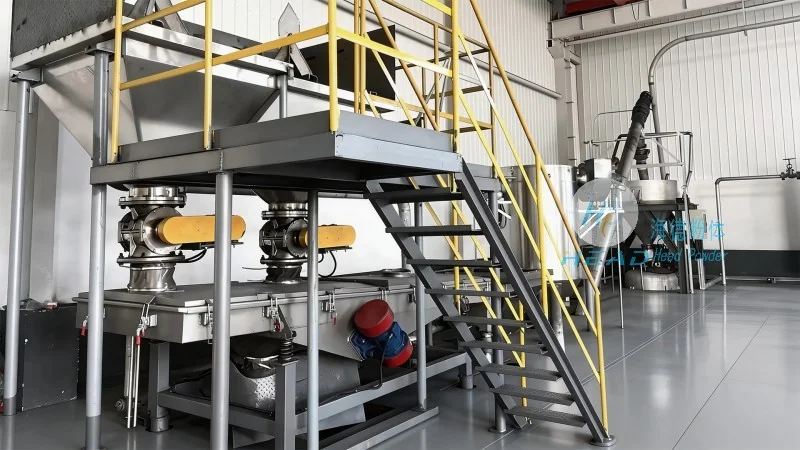
In conclusion, alumina material handling equipment plays a vital role in the efficient operation of industries that rely on aluminum oxide. The design principles and types of equipment available today are tailored to meet the specific needs of alumina handling, ensuring durability, safety, and efficiency. HeadPowder Engineering, with its expertise and commitment to quality, provides reliable solutions that help industries optimize their alumina handling processes. By understanding the design principles and features of alumina material handling equipment, businesses can make informed decisions to enhance their operational performance and maintain a competitive edge in the market.




