Cloud-inclusive stone material handling equipment refers to specialized machinery designed for the efficient transportation and processing of stone materials, including various types of rock, gravel, and mineral products. These devices are crucial in industries such as mining, construction, and quarrying, where the movement of bulk materials is a core operational step. Understanding what these equipment are and the design principles behind them is essential for professionals in material handling and industrial engineering.
Core Components of Cloud-Inclusive Stone Material Handling Equipment
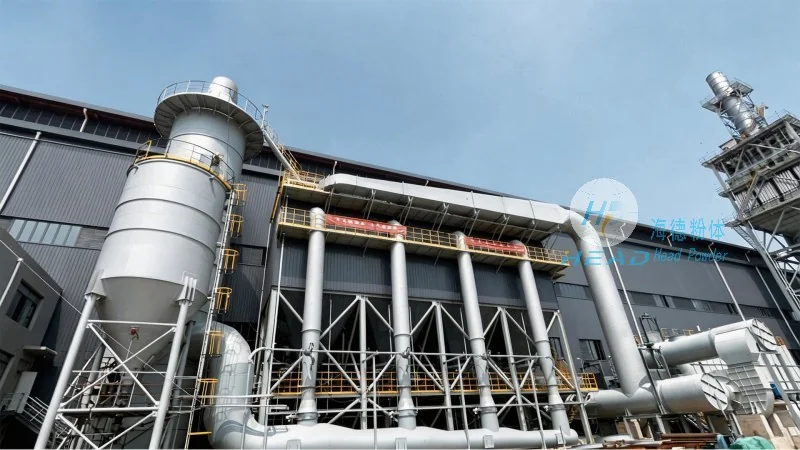
The fundamental components of cloud-inclusive stone material handling equipment include a feeding system, a conveying mechanism, and a control unit. The feeding system, typically consisting of hoppers or chutes, prepares and directs the stone material into the conveyor. The conveying mechanism, the heart of the equipment, moves the material from one location to another. Common types include belt conveyors, screw conveyors, and bucket elevators, each selected based on material characteristics and operational needs. The control unit, often integrated with sensors and automation, manages operation, ensuring safety, efficiency, and consistent performance.
Design Principles for Effective Equipment
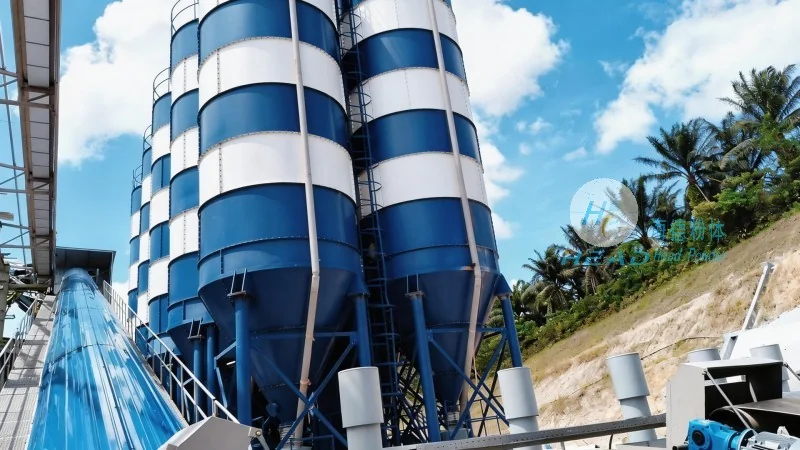
The design of cloud-inclusive stone material handling equipment is guided by several key principles to optimize performance and durability. First, adaptation to material properties is critical. This involves considering the material's size, shape, density, and abrasiveness, as these factors influence component selection—e.g., abrasive materials may require reinforced belts or hardened steel parts to resist wear. Second, durability is paramount due to harsh industrial conditions. High-quality materials like stainless steel or corrosion-resistant alloys, along with robust construction, ensure longevity under heavy loads and continuous operation. Third, efficiency is a primary goal, with designs minimizing energy use while maximizing throughput through optimized speeds, reduced friction, and efficient power transmission. Finally, safety is integrated through features like emergency stops, overload protection, and protective guards to prevent accidents and ensure operator well-being.
Applications and Benefits in Industry
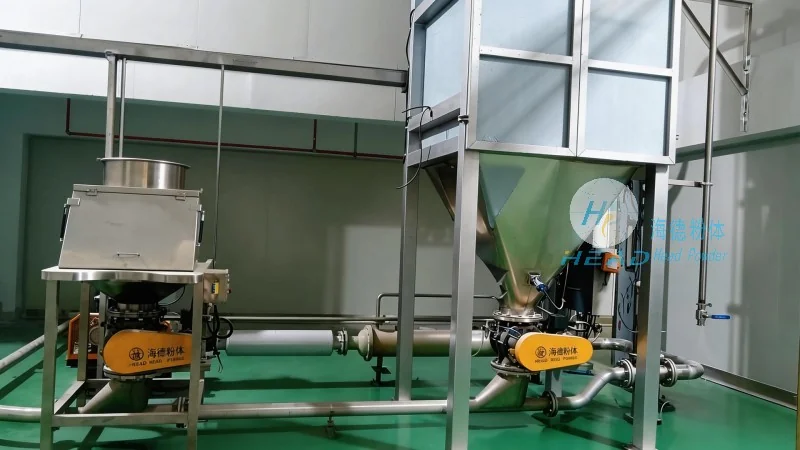
Cloud-inclusive stone material handling equipment is widely used across sectors, offering significant advantages. In mining, they transport raw ore to processing facilities, directly impacting operational efficiency and productivity. In construction, they move crushed stone and gravel to sites for road building and concrete production, aiding in meeting project timelines and costs. In mineral processing, they handle processed materials to storage or further stages, enhancing quality control. Beyond efficiency, these devices reduce labor costs by automating tasks and improve workplace safety by minimizing manual handling risks. Consistent material flow also prevents contamination or mixing, ensuring product quality.
Conclusion: The Role in Modern Industry
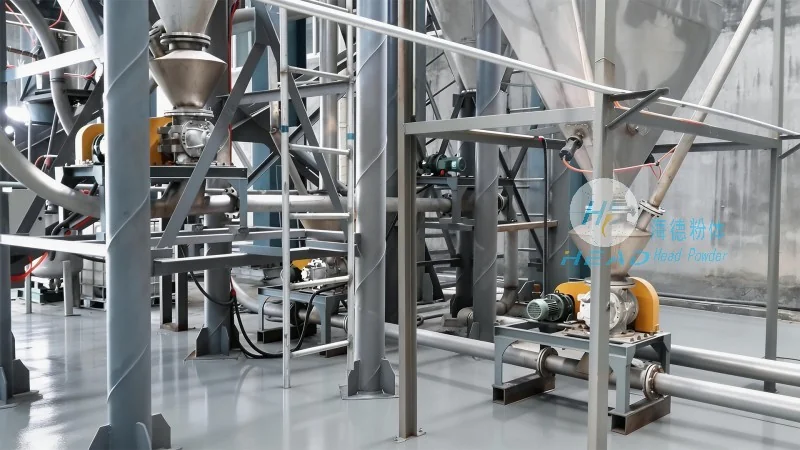
Cloud-inclusive stone material handling equipment is vital to modern industrial operations, particularly in mining, construction, and quarrying. Their design principles—adaptation to materials, durability, efficiency, and safety—ensure they meet demanding operational needs. As technology advances, these equipment may incorporate automation and real-time monitoring, further enhancing performance. For businesses, investing in high-quality equipment is a strategic choice for optimizing material handling and achieving long-term success. By understanding these principles and applications, industries can make informed decisions to improve productivity and sustainability.




