For industrial operations that handle bulk powders, the selection of an efficient and reliable material handling system is crucial. Among the various options available, the powder bin pneumatic conveying system stands out as a versatile solution for transporting dry materials over short to medium distances. This article, presented by Shandong HeadPowder Engineering Co., Ltd. (headpowder), aims to provide a comprehensive overview of what a powder bin pneumatic conveying system equipment entails and the underlying design principles that govern its functionality.
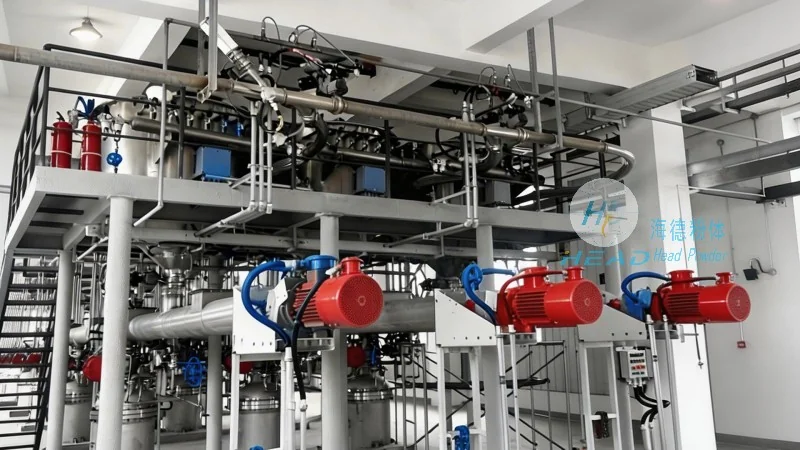
Powder Bin Pneumatic Conveying System: An Overview
A powder bin pneumatic conveying system is a type of equipment designed to transport dry bulk materials, such as powders, granules, or fine particles, from a storage bin or hopper to a processing unit or destination point. The system operates by using compressed air or other gases to create a flow of material through a pipeline network. This method eliminates the need for mechanical components like belts, buckets, or screw conveyors, which can be prone to wear and maintenance issues.
The core components of a typical powder bin pneumatic conveying system include a powder bin (or hopper) for material storage, a feeder mechanism to control the flow of material into the system, a conveying line with appropriate ductwork, a pressure vessel or receiver to collect the material at the end of the line, and a control system to regulate the operation. The system can be categorized into different types based on the conveying method, such as pressure or vacuum systems, and the specific application requirements.
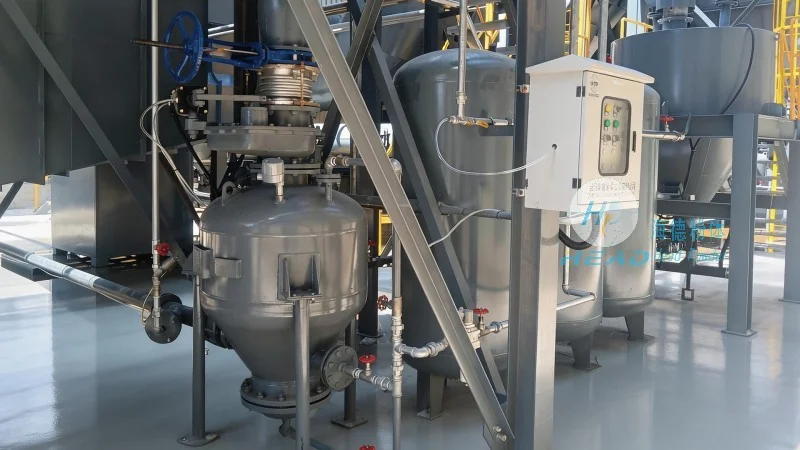
Key Design Principles of Powder Bin Pneumatic Conveying Systems
The design of a powder bin pneumatic conveying system is guided by several fundamental principles to ensure optimal performance, efficiency, and safety. These principles are tailored to the characteristics of the material being conveyed, the distance and layout of the conveying line, and the operational requirements of the industrial process.
Firstly, the selection of the appropriate conveying method is critical. Pressure systems use compressed air to push the material through the line, while vacuum systems use suction to draw the material. The choice between these methods depends on factors like the material's density, flowability, and the distance to be covered. For shorter distances and lighter materials, pressure systems are often preferred due to their simplicity and lower energy consumption. In contrast, vacuum systems are more suitable for longer distances or when the material needs to be conveyed against gravity.
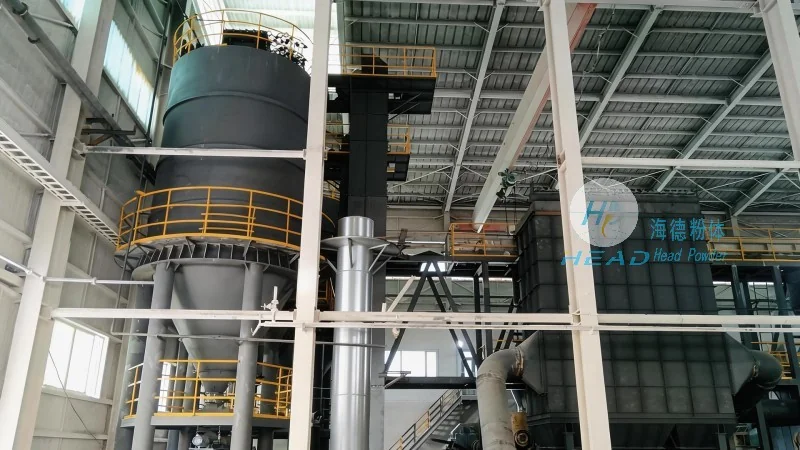
Secondly, the design of the feeder is a key consideration. The feeder must be capable of maintaining a consistent flow rate of material into the system to prevent blockages or uneven material distribution. Common feeder types include rotary valves, star feeders, and vibratory feeders, each with its own advantages and limitations. The feeder's design must also account for the material's properties, such as its bulk density, angle of repose, and potential for bridging or caking, to ensure reliable operation.
Thirdly, the selection of the conveying line diameter and length is essential for system efficiency. The line diameter is typically determined by the material's flow rate and the required air velocity to maintain a stable flow. A larger diameter may be needed for high flow rates or to reduce pressure drop, while a smaller diameter can be used for shorter distances or lighter materials. The length of the conveying line affects the overall pressure drop, which in turn influences the energy consumption and the required compressor capacity.
Fourthly, the design of the pressure vessel or receiver at the end of the line is crucial for material collection and system control. The receiver must be capable of holding the entire volume of material conveyed and should be equipped with a discharge mechanism to transfer the material to the next processing stage. The receiver's design may include features like a filter to remove any entrained air or dust, and a venting system to maintain proper pressure levels. Proper sizing of the receiver is important to prevent overpressure and ensure smooth material discharge.
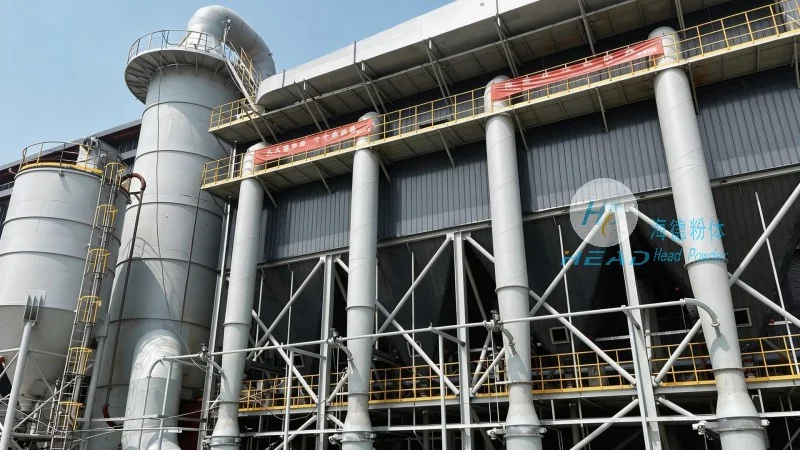
Applications and Benefits of Powder Bin Pneumatic Conveying Systems
Powder bin pneumatic conveying systems are widely used in various industries, including pharmaceuticals, food processing, chemical manufacturing, and cement production. These systems offer several advantages over traditional mechanical conveying methods, such as reduced maintenance costs, improved material cleanliness, and the ability to handle a wide range of materials without the need for special equipment. The flexibility of pneumatic conveying allows for easy integration into existing industrial processes and the ability to convey materials over complex layouts, including vertical and horizontal segments.
One of the primary benefits of this system is its ability to handle materials that are difficult to transport using mechanical means. For example, powders that are prone to caking or bridging can be effectively conveyed using a pneumatic system, as the air flow helps to break up agglomerates and maintain a consistent flow. Additionally, the system can be designed to operate in a closed loop, minimizing dust emissions and ensuring compliance with environmental regulations.




