Styrene, a vital monomer used in the production of polystyrene and various polymer products, is commonly transported and handled using pneumatic conveying systems. These systems leverage air or gas to move the material through a pipeline network, offering benefits such as dust containment, reduced labor costs, and the ability to operate in a closed environment. The fundamental principle of a styrene pneumatic conveying system involves generating a flow of air or gas that entrains the styrene particles and transports them from the source to the destination. The design of such systems must account for factors like material properties, flow rates, and system pressure to ensure efficient and reliable operation.
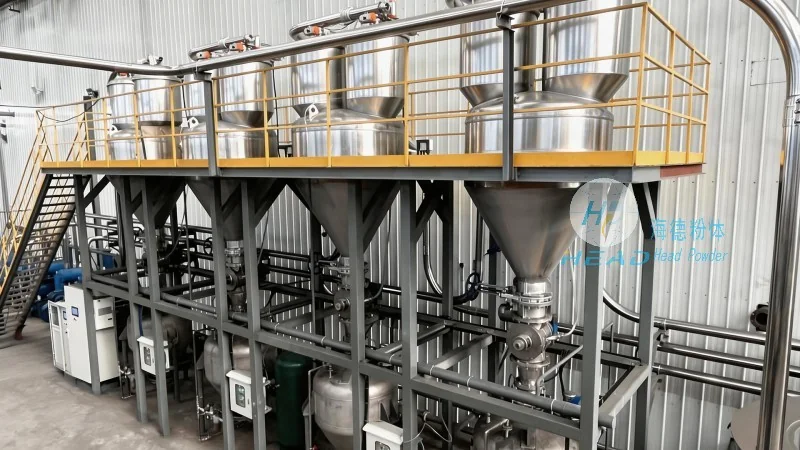
Key Components of a Styrene Pneumatic Conveying System
The core components of a styrene pneumatic conveying system include the material feed hopper, the air or gas source (typically a blower or compressor), the conveying pipeline, and the discharge equipment. The feed hopper is engineered to store and meter the styrene, ensuring a consistent flow into the system. The air source provides the necessary pressure and volume to create the conveying stream. The pipeline network connects the feed point to the discharge point, with appropriate fittings and valves to control the flow. The discharge equipment, such as a rotary valve or a receiver, collects the conveyed styrene and releases it into the next process step. Each component plays a critical role in the overall performance and efficiency of the system.
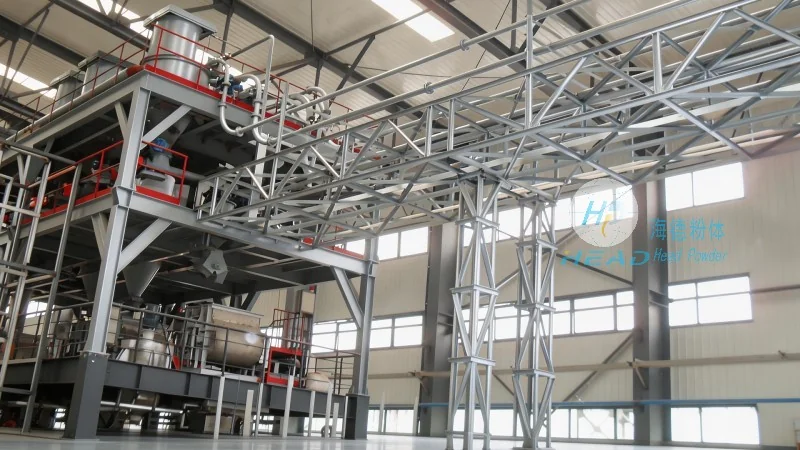
Working Principle of Pneumatic Conveying for Styrene
In a typical pneumatic conveying system for styrene, the process starts with the material being fed from the hopper into the pipeline. The air source then creates a high-velocity flow of air, which entrains the styrene particles as they enter the pipeline. The combination of air velocity and particle size determines the conveying velocity, which must be sufficient to overcome gravitational and frictional forces acting on the particles. The system may operate in either a dilute-phase or dense-phase mode, depending on material characteristics and desired flow rate. Dilute-phase systems use higher air velocities and lower material concentrations, while dense-phase systems use lower velocities and higher material concentrations, often incorporating a venturi or pressure control device to maintain flow.
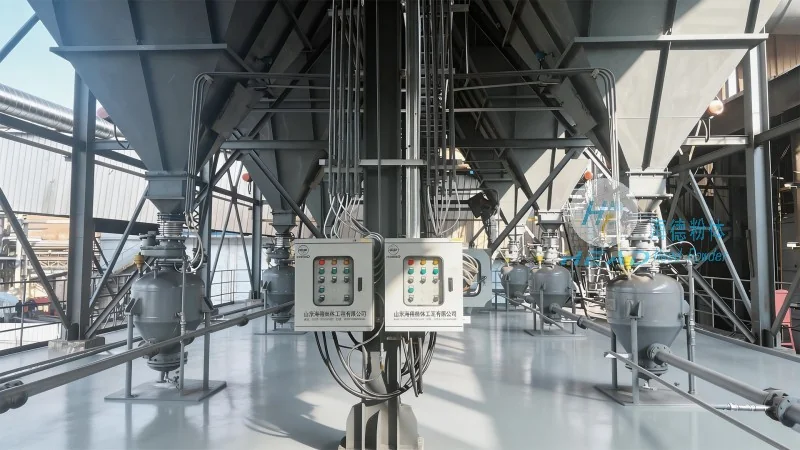
Advantages of Using Pneumatic Conveying for Styrene Handling
Implementing a pneumatic conveying system for styrene offers several advantages over traditional methods like bucket elevators or belt conveyors. One primary benefit is the ability to handle the material in a closed system, significantly reducing dust emissions and enhancing workplace safety. This is particularly important for styrene, which can be a respiratory irritant and a fire hazard. Additionally, pneumatic conveying systems can accommodate a wide range of flow rates, making them suitable for both small-scale and large-scale production facilities. The systems also require less floor space compared to other bulk material handling solutions, as pipelines can be installed overhead or underground. Furthermore, the enclosed nature minimizes material loss and contamination, ensuring a higher quality product for downstream processing.
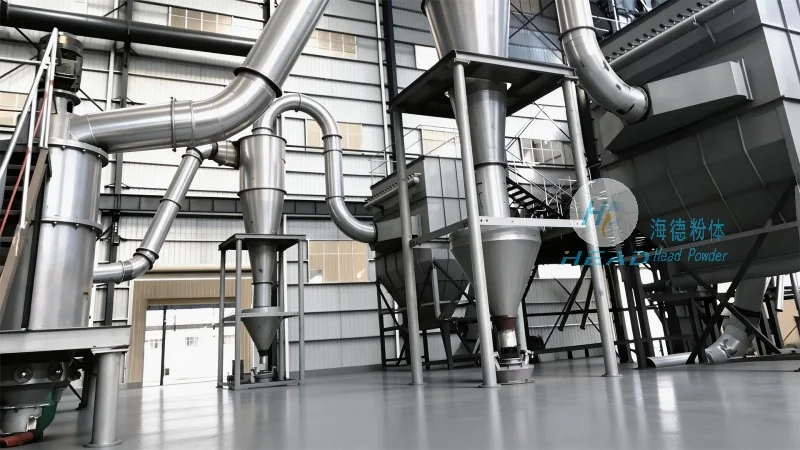
Design Considerations for Styrene Pneumatic Conveying Systems
The design of a styrene pneumatic conveying system requires careful consideration of several factors to ensure optimal performance and longevity. Material properties, such as particle size, density, and moisture content, are critical in determining appropriate conveying velocity and system pressure. For styrene, typically with a particle size range of 0.1 to 2 mm and a density of around 1.05 g/cm³, system design must account for these characteristics to prevent blockages or excessive wear on components. The choice of pipeline material is also important, as styrene can be corrosive or abrasive. Stainless steel or specialized plastics are commonly used to resist corrosion and wear. The system pressure and air flow rate must be optimized to balance efficiency with energy consumption, as higher pressures and flow rates increase energy costs but may improve conveying capacity. Additionally, the system should include safety features like pressure relief valves and dust collection systems to protect against overpressure and dust explosions.




