Shandong HeadPowder Engineering Co., Ltd., a leading manufacturer based in Shandong, China, specializes in the development and supply of advanced material handling solutions for agricultural processing. The paddy grain material handling system is a critical piece of equipment in rice processing facilities, designed to efficiently transport paddy grains from storage to processing stages. This system is engineered to handle the unique properties of paddy grains, including their size, moisture content, and tendency to break during handling, ensuring minimal loss and maximum quality preservation.
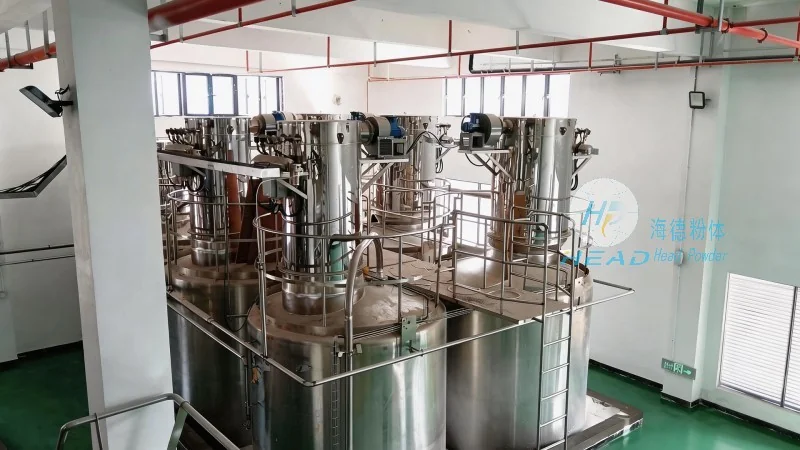
Key Components and Their Functions
The paddy grain material handling system comprises several essential components that work in concert to achieve seamless material transport. These components include feeders, conveyors, elevators, and storage bins. Each component is meticulously designed to address specific operational requirements, from initial feeding and sorting to vertical transport and storage. The feeders, typically equipped with adjustable speed controls, regulate the flow of paddy grains into the system, preventing overloading and spillage. The conveyors, which may be belt or screw type, are selected based on the grain's characteristics and the required transport distance. Belt conveyors are ideal for horizontal transport due to their high capacity and low maintenance, while screw conveyors are suitable for inclined or vertical transport. Elevators, such as bucket elevators or chain conveyors, are used for vertical lifting, converting horizontal motion into vertical movement to elevate the grains to higher levels. Storage bins, equipped with aeration systems and level indicators, provide a controlled environment for grain storage, maintaining optimal moisture and temperature levels to preserve grain quality and prevent spoilage.
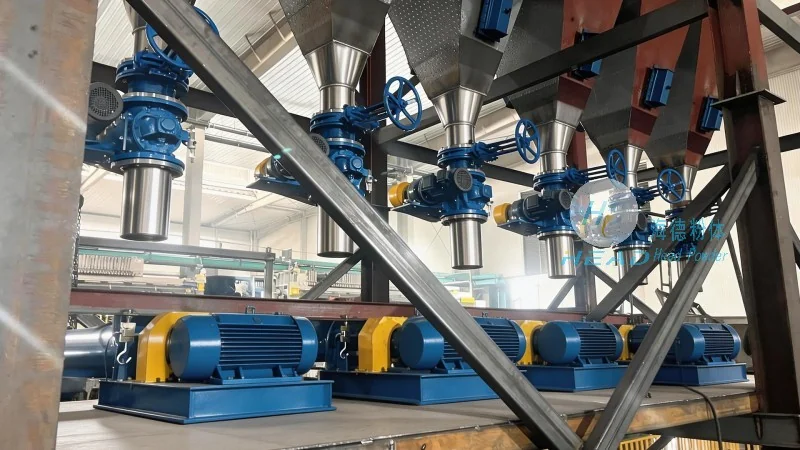
Operation Process: From Intake to Processing
The operation process of the paddy grain material handling system begins with the intake of raw paddy grains from storage silos or bulk containers. The feeders then meter the grain into the conveyor system, ensuring a consistent flow rate. The conveyor transports the paddy grains horizontally or at an incline to the next processing stage. If vertical transport is required, the elevator lifts the grains to an elevated position, where they are then transferred to the storage bins or processing equipment. The system is integrated with sensors and a control panel that monitors key parameters such as flow rate, temperature, and moisture content, allowing for real-time adjustments to maintain optimal operating conditions. The entire process is automated, reducing the need for manual intervention and minimizing the risk of human error. The system's design ensures minimal grain breakage and loss, which is crucial for maintaining grain quality and reducing post-harvest losses. For example, the feeder's adjustable speed allows operators to match the grain flow to the processing capacity, preventing bottlenecks and ensuring continuous operation.
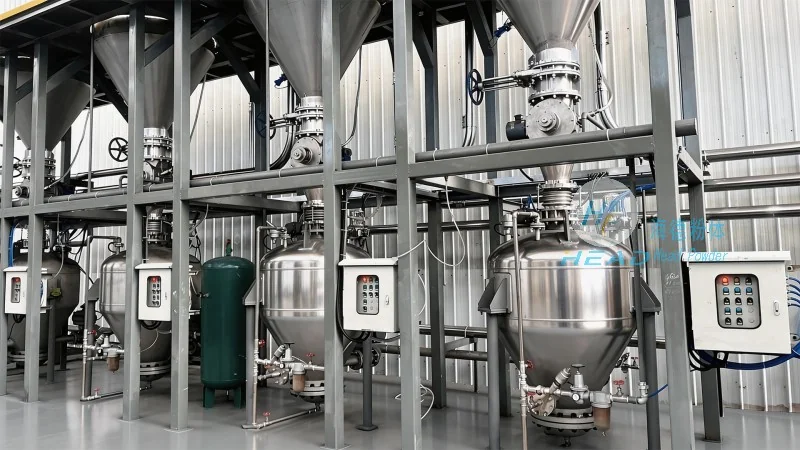
Working Principle: Mechanical and Control Systems
The working principle of the paddy grain material handling system is based on mechanical and hydraulic principles, utilizing various mechanisms to transport and process paddy grains efficiently. The feeders use gravity or mechanical force to move the grains into the conveyor system. The conveyors rely on friction and gravity to move the grains along the path of least resistance. Elevators use buckets or chains to lift the grains vertically, converting horizontal motion into vertical movement. The storage bins use aeration systems to maintain grain quality by controlling moisture and temperature, preventing mold growth and spoilage. The control system, typically a programmable logic controller (PLC), coordinates the operation of all components, ensuring smooth and continuous operation. The system incorporates features such as overload protection, emergency stop buttons, and adjustable speed controls to enhance safety and operational reliability. The working principle is optimized to handle the specific challenges of paddy grains, such as their high moisture content and susceptibility to breakage, ensuring efficient and effective material handling. The PLC system continuously monitors the grain flow and adjusts the speed of the feeders and conveyors to maintain a stable operation, preventing overloading and ensuring consistent grain quality.
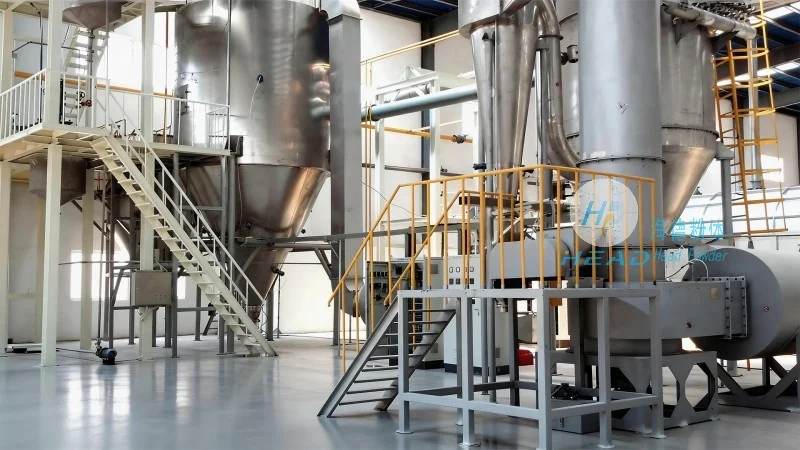
Benefits and Applications
The paddy grain material handling system offers numerous benefits for agricultural processing facilities, including improved efficiency, reduced labor costs, and enhanced grain quality. By automating the material transport process, the system minimizes the need for manual handling, which reduces the risk of grain breakage and contamination. The system's design ensures consistent grain flow, which is essential for maintaining the quality of the final rice product. Additionally, the aeration system in the storage bins helps maintain optimal moisture levels, preventing mold growth and extending the shelf life of the grains. The system is widely used in rice processing plants, from small-scale operations to large industrial facilities, where efficient material handling is critical for meeting production demands. The system's adaptability allows it to be customized to fit the specific needs of different processing facilities, ensuring optimal performance and cost-effectiveness.




