When it comes to transporting manganese silicate, selecting the right delivery method is crucial for efficiency, safety, and cost-effectiveness. Manganese silicate, a compound widely used in various industrial applications, requires specialized handling due to its chemical properties and particle characteristics. In this article, we explore the delivery methods available and focus on the advanced pneumatic conveying system offered by Shandong HeadPowder Engineering Co., Ltd., commonly known as HeadPowder.
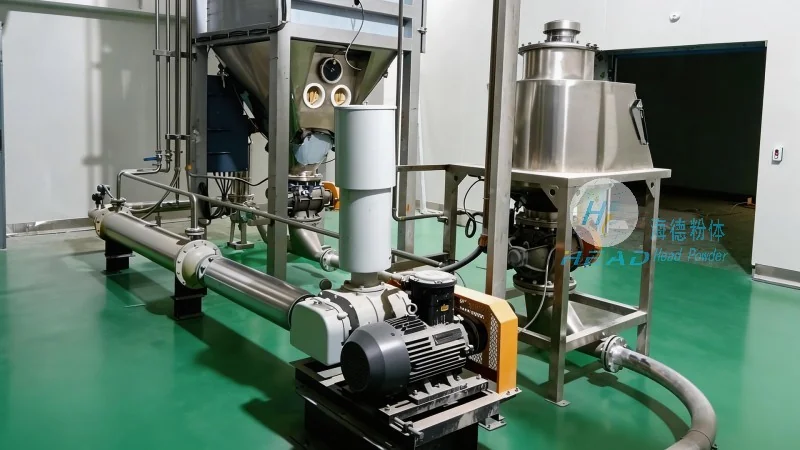
Understanding Manganese Silicate and Its Handling Requirements
Manganese silicate, also known as manganese(II) silicate or manganese(II) orthosilicate, is a white to light gray powder with a specific gravity and particle size that influences its transport behavior. The material's hygroscopic nature and potential for dust generation mean that traditional bulk handling methods may not be suitable. Therefore, modern industrial operations often rely on specialized systems to ensure safe and efficient movement of the material from storage to processing equipment.
Common Delivery Methods for Manganese Silicate
Several delivery methods are employed in the handling of manganese silicate, each with its own advantages and limitations. Traditional methods include belt conveyors, screw conveyors, and bucket elevators. However, these systems may face challenges with dust control, material degradation, and maintenance in environments where manganese silicate is processed. For applications requiring high precision and minimal material loss, pneumatic conveying has emerged as a preferred solution.
HeadPowder's Pneumatic Conveying System for Manganese Silicate
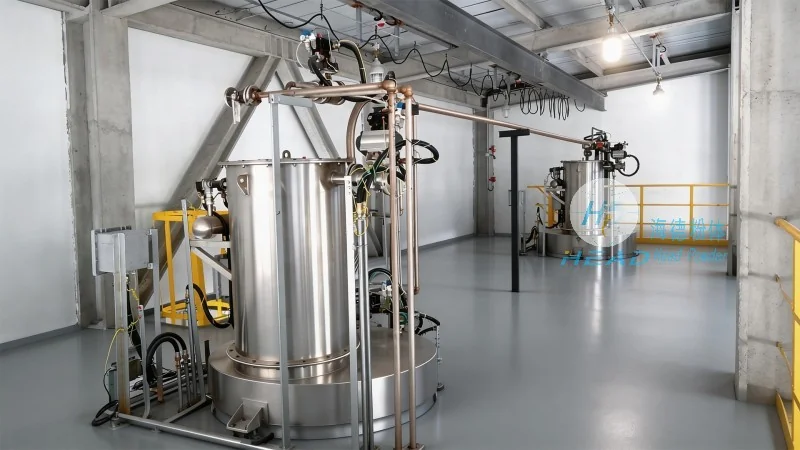
HeadPowder, a leading provider of material handling solutions, offers a state-of-the-art pneumatic conveying system specifically designed for manganese silicate. This system utilizes compressed air to transport the material in a closed pipeline system, ensuring minimal exposure to the environment and reducing the risk of dust contamination. The system is engineered to handle the unique properties of manganese silicate, including its particle size distribution and flow characteristics.
Key Features of the Pneumatic Conveying System
The pneumatic conveying system from HeadPowder incorporates several key features that enhance its performance and reliability. These include: 1. High-efficiency air compressors that provide consistent pressure and flow rates; 2. Customizable pipeline configurations to match the layout of industrial facilities; 3. Advanced control systems that monitor and adjust the conveying process in real-time; 4. Durable materials of construction, such as stainless steel, to resist corrosion from manganese silicate; 5. Integrated dust collection and filtration units to maintain air quality and comply with environmental regulations.
Benefits of Using HeadPowder's Pneumatic Conveying System
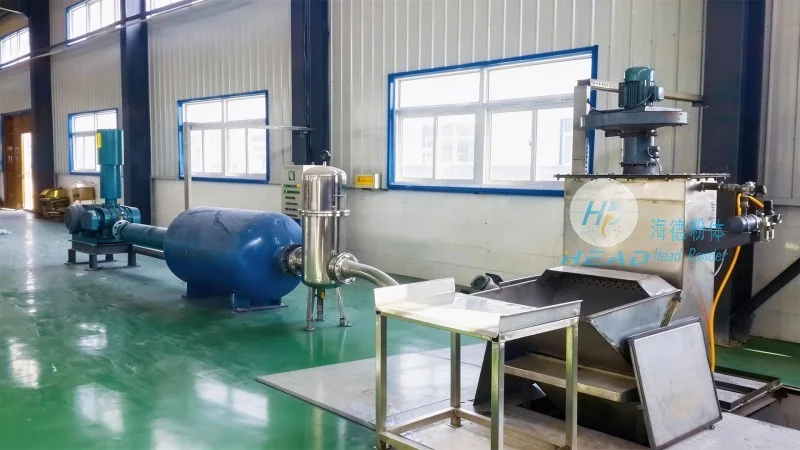
Implementing HeadPowder's pneumatic conveying system for manganese silicate delivery offers numerous benefits for industrial operations. These include: 1. Improved safety by reducing dust exposure and eliminating the need for manual handling; 2. Increased efficiency through automated material transport and reduced downtime; 3. Lower maintenance costs due to the system's robust design and minimal moving parts; 4. Enhanced product quality by minimizing material degradation and contamination; 5. Scalability to accommodate growing production needs without significant modifications.
Conclusion
In conclusion, the delivery of manganese silicate requires careful consideration of the material's properties and the operational requirements of the facility. HeadPowder's pneumatic conveying system provides a reliable and efficient solution that addresses the challenges associated with handling manganese silicate. By leveraging advanced technology and engineering expertise, HeadPowder ensures that industrial operations can achieve optimal performance while maintaining safety and compliance standards.




