Efficient and reliable transportation of dry sludge is a critical challenge in modern wastewater treatment and environmental management. Among the various technologies available, pneumatic conveying systems have emerged as a preferred solution due to their ability to handle bulk materials with minimal maintenance and operational complexity. This article provides a detailed comparison between positive pressure and negative pressure pneumatic conveying methods, focusing on their operational principles, advantages, disadvantages, and practical applications. The analysis is presented by Shandong HeadPowder Engineering Co., Ltd., a leading manufacturer based in China, with a commitment to delivering high-quality engineering solutions for industrial waste management.
Understanding Pneumatic Conveying Systems
Pneumatic conveying systems utilize air or gas to transport dry materials through a pipeline network. The two primary methods—positive pressure and negative pressure—differ fundamentally in how they generate the necessary pressure differential to move the material. Positive pressure systems operate by blowing air into the conveying line, while negative pressure systems create a vacuum to draw material into the system. Both approaches have distinct characteristics that make them suitable for different scenarios in sludge handling.
Positive Pressure Conveying of Dry Sludge
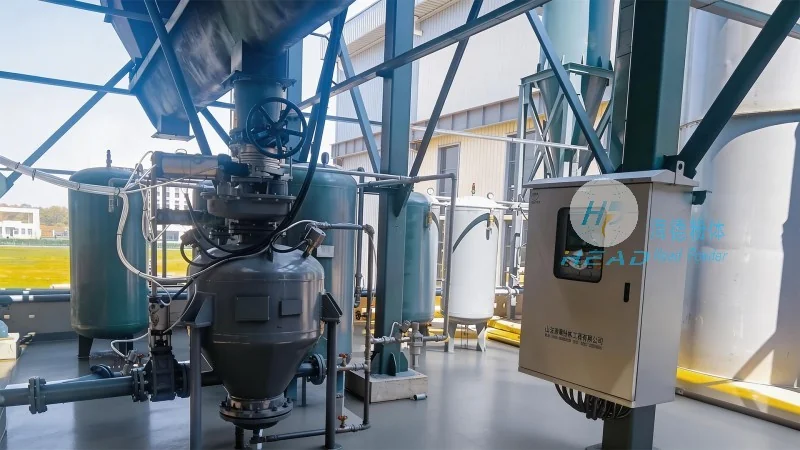
Positive pressure conveying, also known as pressure pneumatic conveying, involves the use of a positive pressure blower or compressor to force air and material through the pipeline. This method is particularly effective for transporting dry sludge over long distances and through complex network configurations. The system typically consists of a material feeder, a positive pressure blower, a filter, and a discharge unit. The feeder ensures a consistent flow of dry sludge into the pipeline, while the blower provides the necessary pressure to move the material. The filter is crucial for capturing any fine particles and preventing them from being released into the environment.
One of the key advantages of positive pressure systems is their ability to handle abrasive and high-density materials without significant wear on the equipment. The continuous flow of air helps to keep the material suspended, reducing friction and wear on the pipeline walls. Additionally, positive pressure systems are generally more energy-efficient for long-distance conveying, as they can maintain a consistent pressure without the need for vacuum pumps. However, they require careful control of air pressure and flow rates to prevent material blockages or excessive energy consumption.
Negative Pressure Conveying of Dry Sludge
Negative pressure conveying, or vacuum pneumatic conveying, operates by creating a vacuum at the receiving end of the pipeline, which draws dry sludge from the source into the system. This method is often preferred for shorter distances and applications where the material needs to be transported from a low elevation to a higher one. The system includes a vacuum pump, a material inlet, a filter, and a discharge valve. The vacuum pump generates the negative pressure, while the inlet allows the dry sludge to be drawn into the pipeline. The filter ensures that fine particles are captured before they are released into the atmosphere.
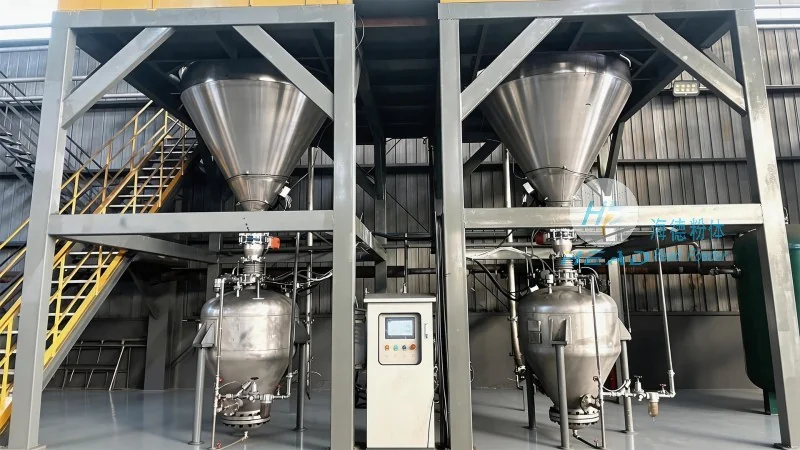
Negative pressure systems are generally more suitable for handling lighter materials or those that are more prone to dust generation. The vacuum helps to minimize the risk of material spillage and contamination during transport. However, they are less efficient for long-distance conveying, as the vacuum pressure can drop significantly over longer distances, leading to reduced material flow rates. Additionally, negative pressure systems may require more maintenance due to the higher wear on the vacuum pump and pipeline components.
Comparative Analysis: Positive vs. Negative Pressure Conveying
When comparing positive and negative pressure pneumatic conveying for dry sludge, several factors must be considered. The choice between the two methods depends on the specific requirements of the application, including the distance to be covered, the material characteristics, and the operational environment. Positive pressure systems are generally more suitable for long-distance and high-volume conveying, while negative pressure systems are better for short-distance and low-volume applications.
From an operational perspective, positive pressure systems offer greater control over the conveying process, as the pressure can be adjusted to match the material flow rate. This flexibility allows for efficient handling of varying sludge compositions. In contrast, negative pressure systems rely on the vacuum pressure, which may fluctuate based on the material properties and pipeline length. The energy consumption of positive pressure systems is typically higher due to the continuous operation of the blower, whereas negative pressure systems may consume less energy but require more frequent maintenance of the vacuum pump.
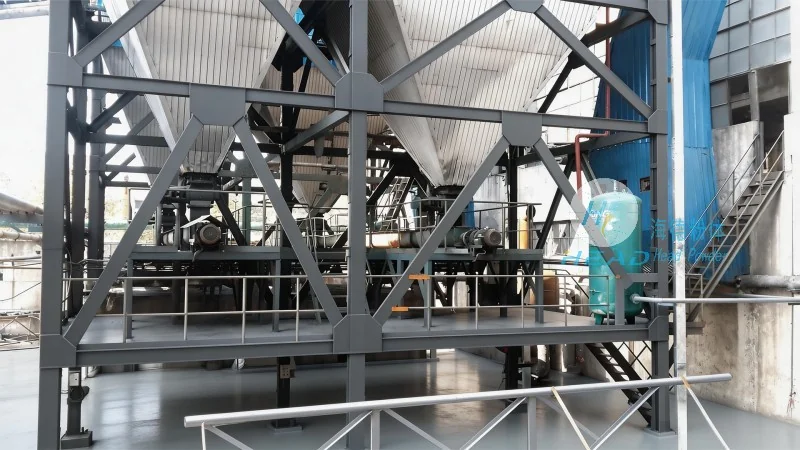
From a maintenance standpoint, positive pressure systems are generally more robust and require less frequent repairs, as the blower operates at lower speeds and under higher pressure. Negative pressure systems, however, may experience more wear on the vacuum pump and inlet components due to the continuous suction of air and material. The cost of equipment is another critical factor. Positive pressure systems may have a higher initial investment due to the blower and associated components, but they offer lower long-term maintenance costs. Negative pressure systems, while having a lower initial cost, may incur higher maintenance expenses over time.
Application Scenarios and Practical Considerations
The selection of the appropriate pneumatic conveying method for dry sludge should be based on a thorough evaluation of the project requirements. For example, in large-scale wastewater treatment plants where dry sludge needs to be transported over several kilometers to a disposal site, a positive pressure system is often the preferred choice due to its efficiency and reliability. Conversely, in smaller facilities where the sludge is to be transported from a low-lying tank to a higher storage area, a negative pressure system may be more practical and cost-effective.
Environmental considerations also play a significant role in the choice of conveying method. Positive pressure systems may generate more noise and air pollution due to the high-pressure air flow, while negative pressure systems can help minimize dust emissions by drawing material into the pipeline. However, both methods require proper filtration and air treatment to comply with environmental regulations. The design of the conveying system must also account for the potential for material blockages, which can occur in both positive and negative pressure systems if the flow rate is not properly controlled.
Conclusion
In conclusion, both positive pressure and negative pressure pneumatic conveying methods offer viable solutions for the transportation of dry sludge, each with its own set of advantages and limitations. The choice between the two depends on the specific operational needs, material characteristics, and environmental constraints of the application. Shandong HeadPowder Engineering Co., Ltd. specializes in designing and manufacturing customized pneumatic conveying systems tailored to meet the unique requirements of each project, ensuring efficient, reliable, and environmentally compliant sludge handling solutions.




