Polycarbonate pneumatic conveying equipment represents a sophisticated solution in material handling, designed to efficiently transport bulk materials through a pressurized air system. This technology is particularly valued for its ability to handle delicate or sensitive materials, such as powders and granules, with minimal product degradation. The equipment operates by using compressed air to create a flow that moves material from a source to a destination, offering advantages like dust-free operation and the ability to convey materials over long distances without the need for mechanical components. As a leading manufacturer in this field, Shandong HeadPowder Engineering Co., Ltd. (headpowder) specializes in providing high-quality polycarbonate pneumatic conveying solutions tailored to meet the diverse needs of industrial clients.
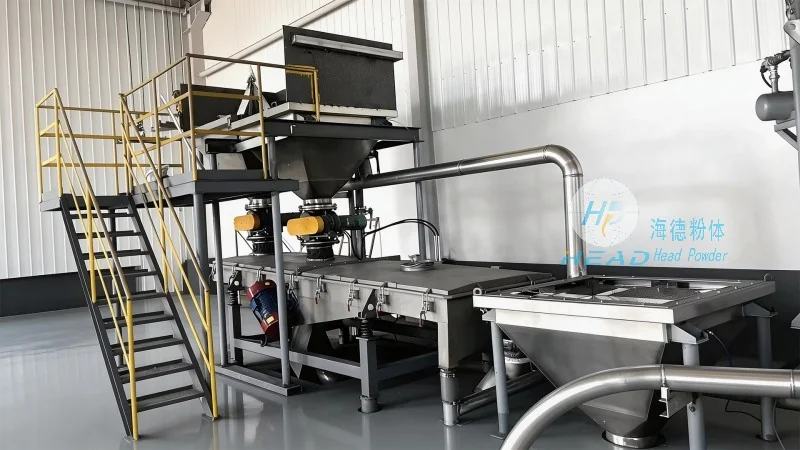
Key Structural Components and Working Principle
The core structure of polycarbonate pneumatic conveying systems typically includes several critical components. The main parts are the hopper or feed inlet, where material is introduced; the conveying line, which is often made from polycarbonate or other durable materials to ensure resistance to corrosion and impact; the air compressor or blower, which generates the necessary pressure to move the material; and the discharge outlet, where the material is released at the destination. The working principle involves introducing the material into the hopper, then using the compressor to generate a flow of air that carries the material particles through the line. The polycarbonate material of the conveying line is chosen for its high impact resistance and transparency, which allows for visual monitoring of the material flow and helps in detecting blockages or other issues during operation. This design ensures that the equipment can reliably transport materials while maintaining product integrity.
Advantages of Polycarbonate in Pneumatic Conveying
Polycarbonate is selected for its unique combination of properties that enhance the performance of pneumatic conveying equipment. Its high impact strength ensures that the conveying line can withstand the stresses of material flow without cracking or breaking, even when handling abrasive or heavy materials. Additionally, polycarbonate is resistant to a wide range of chemicals and is not affected by moisture, making it suitable for conveying materials in various industrial environments. The material's transparency also provides operators with clear visibility into the conveying process, facilitating easier maintenance and troubleshooting. These attributes collectively contribute to the reliability and longevity of the equipment, reducing downtime and maintenance costs over time. The use of polycarbonate further ensures that the equipment meets stringent safety and hygiene standards, particularly in industries such as pharmaceuticals and food processing.
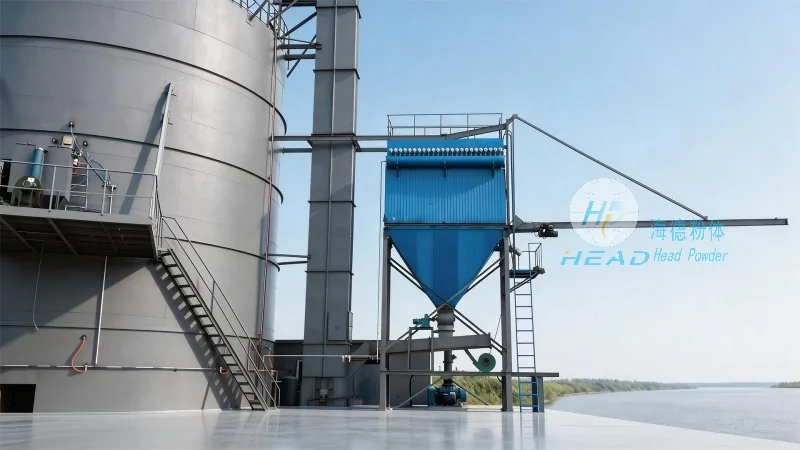
Application Scenarios and Material Compatibility
Polycarbonate pneumatic conveying equipment is widely used in industries that require the transport of fine or sensitive materials. Common applications include pharmaceuticals, food processing, chemical manufacturing, and cosmetics, where maintaining product purity and preventing contamination is paramount. The equipment is capable of handling materials such as powders, granules, and small particles, with the ability to convey them in both positive and negative pressure modes. Positive pressure systems use compressed air to push material forward, while negative pressure systems use vacuum to pull material. The flexibility of polycarbonate materials allows for customization of the conveying line to suit different material types and flow rates, ensuring optimal performance in each application. For example, in pharmaceutical manufacturing, the equipment can be used to transport active pharmaceutical ingredients (APIs) with minimal risk of cross-contamination, while in food processing, it can handle powders like flour or sugar without introducing foreign particles.
Installation and Maintenance Considerations
Proper installation and regular maintenance are essential for the efficient operation of polycarbonate pneumatic conveying equipment. During installation, it is important to ensure that all components are properly aligned and secured to prevent leaks or vibrations that could affect performance. The conveying line should be checked for any signs of wear or damage, such as cracks or scratches, which could compromise its integrity. Regular cleaning of the hopper and discharge outlet is also necessary to prevent material buildup and ensure smooth flow. In addition, the air compressor should be maintained according to manufacturer specifications to ensure consistent pressure and airflow. By following these guidelines, users can maximize the lifespan of the equipment and maintain its performance over time. Shandong HeadPowder Engineering Co., Ltd. offers comprehensive support services, including installation guidance and maintenance protocols, to help clients optimize their equipment and achieve the best possible results.
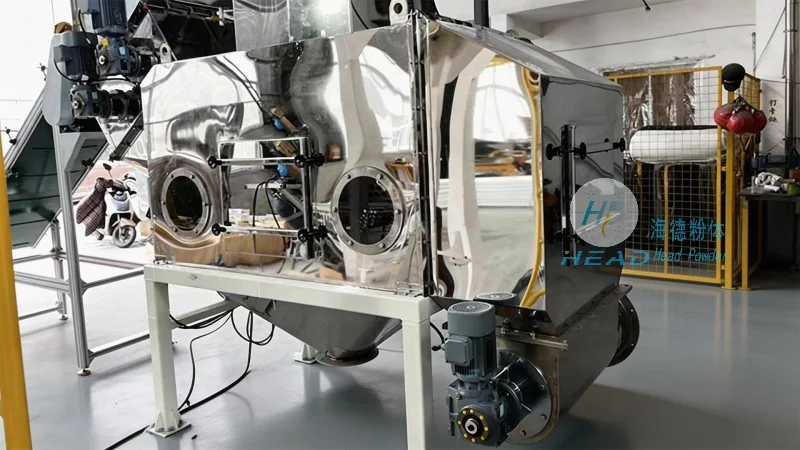
Performance Optimization and Customization
Optimizing the performance of polycarbonate pneumatic conveying equipment involves several factors, including the selection of appropriate air pressure, material feed rate, and line diameter. The air pressure must be sufficient to overcome the resistance of the material and the conveying line, but not so high as to cause excessive wear or product degradation. The material feed rate should be controlled to match the conveying capacity of the system, preventing overloading and potential blockages. The line diameter is also critical, as it affects the velocity of the material-air mixture and the overall efficiency of the system. Customization options are available to address specific application requirements, such as the use of special coatings on the conveying line to enhance resistance to corrosive materials or the addition of filters to improve air quality. These customization options allow clients to tailor the equipment to their unique needs, ensuring that it operates at peak efficiency and meets all regulatory requirements.
Environmental and Safety Benefits
Polycarbonate pneumatic conveying equipment offers several environmental and safety benefits compared to traditional mechanical conveying systems. The dust-free operation eliminates the need for additional dust control measures, reducing the risk of airborne contamination and improving workplace safety. The absence of moving parts also minimizes the risk of mechanical failures and associated hazards, such as entanglement or impact injuries. Additionally, the equipment can be designed to meet specific environmental standards, such as the use of energy-efficient air compressors and the recycling of compressed air. These features contribute to a more sustainable and safe working environment, aligning with the growing emphasis on environmental responsibility in industrial operations. By choosing polycarbonate pneumatic conveying equipment, industries can enhance both operational efficiency and safety while reducing their environmental footprint.




