HeadPowder Engineering Co., Ltd., a leading manufacturer based in Shandong, China, specializes in the design and production of advanced grain silo pneumatic conveying systems. These systems are essential for efficient grain handling, storage, and transportation within agricultural and food processing industries. The following overview details the key components, operational principles, and structural design of such systems, highlighting their role in modern grain management.
Core Components of Pneumatic Conveying Systems
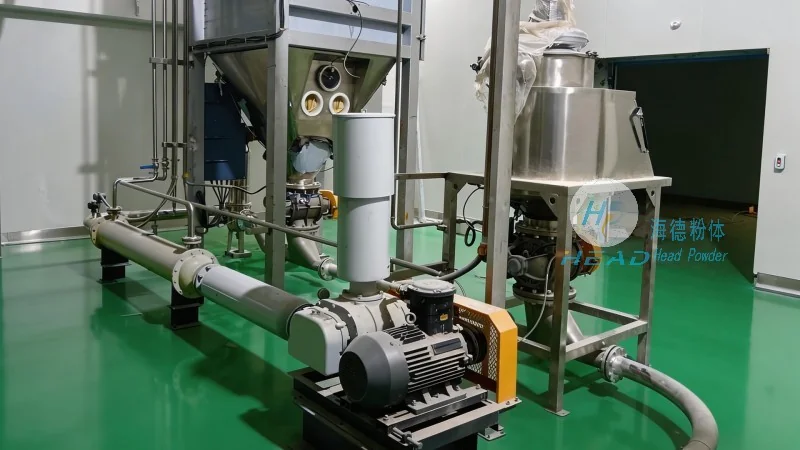
The pneumatic conveying system for grain silos typically consists of several critical components that work in concert to ensure reliable and efficient material transport. The primary elements include the hopper or silo inlet, the conveying pipeline, the air supply unit (blower or fan), the control system, and the discharge outlet. Each component is engineered to handle the specific demands of grain handling, such as bulk density, flow rate, and particle size.
1. **Hopper and Inlet**: The system begins with a hopper or silo inlet, which is designed to collect grain from the storage silo. This component often features a conical or rectangular shape to facilitate smooth material flow and prevent blockages. The inlet is equipped with a gate or valve mechanism that controls the release of grain into the conveying pipeline. The design of the hopper is crucial as it directly impacts the system's ability to maintain consistent flow rates and prevent material buildup.
2. **Conveying Pipeline**: The pipeline is the backbone of the pneumatic conveying system, responsible for transporting grain through the air stream. It is usually made of durable materials like stainless steel or high-density polyethylene (HDPE) to withstand the abrasive nature of grain particles and the pressure of the air flow. The pipeline is configured in a loop or straight line, depending on the layout of the silo and the desired conveying path. The diameter of the pipeline is carefully selected to optimize air velocity and minimize energy consumption while ensuring sufficient capacity for the grain load.
3. **Air Supply Unit**: The air supply unit, commonly a blower or fan, generates the necessary air pressure and flow rate to move the grain particles. The choice of equipment depends on the system's capacity and the type of grain being handled. High-pressure blowers are often used for long-distance or high-capacity applications, while low-pressure fans are suitable for shorter distances or lighter loads. The air supply unit is connected to the pipeline via a duct or hose, and it is equipped with a control valve to regulate the air flow and pressure.
4. **Control System**: A sophisticated control system manages the operation of the pneumatic conveying system, ensuring safe and efficient operation. This system includes sensors to monitor pressure, flow rate, and grain level, as well as control panels to adjust the air supply and inlet valves. The control system may also include safety features such as pressure relief valves and emergency shut-off mechanisms to prevent over-pressurization or material blockages.
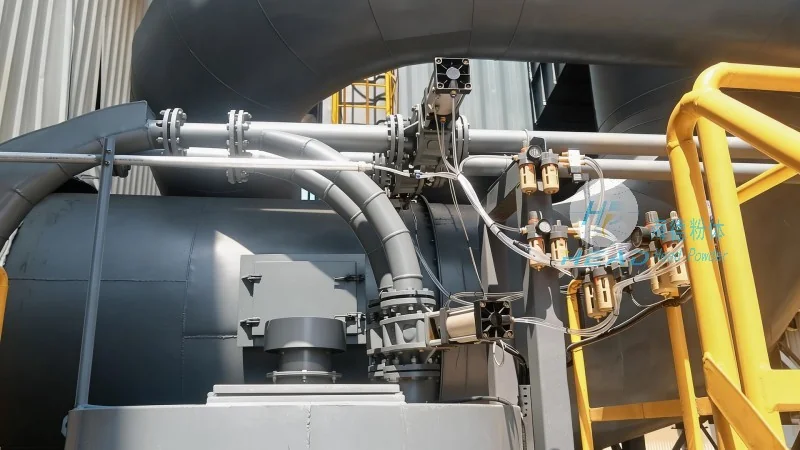
5. **Discharge Outlet**: The discharge outlet is the final component of the system, where the grain is released from the conveying pipeline. It is typically located at the receiving end of the system, such as a processing plant or storage bin. The outlet is designed to handle the grain flow smoothly and prevent spillage or dust emission. Some systems include a cyclone separator or a filter to remove dust and debris from the air before it is released into the environment.
Working Principles of Pneumatic Conveying
The operation of a grain silo pneumatic conveying system is based on the principle of fluidization and suspension of grain particles in an air stream. When the air supply unit generates sufficient pressure, it forces air through the pipeline, creating a flow that lifts and transports the grain particles. The grain is suspended in the air stream, moving along the pipeline with the air flow. The velocity of the air is critical; it must be high enough to keep the grain particles suspended but not so high as to cause excessive wear on the pipeline or energy waste.
There are two main types of pneumatic conveying systems based on the air flow direction: positive pressure and negative pressure. In positive pressure systems, the air is forced into the pipeline, pushing the grain forward. This type is commonly used for short to medium distances and is suitable for conveying grain from the silo to a processing facility. In negative pressure systems, the air is drawn out of the pipeline, creating a vacuum that pulls the grain into the system. This type is often used for long-distance conveying or when the grain needs to be transported from multiple sources to a central location.
The selection of the system type depends on factors such as the distance between the silo and the receiving point, the grain characteristics, and the available space for the pipeline layout. Both positive and negative pressure systems are designed to handle various grain types, including wheat, corn, soybeans, and other bulk agricultural products.
Structural Design and Engineering Considerations
The structural design of a pneumatic conveying system for grain silos is a critical aspect that ensures durability, efficiency, and safety. The system must be engineered to withstand the mechanical stresses of grain handling, the pressure of the air flow, and the environmental conditions of the storage facility. HeadPowder Engineering Co., Ltd. employs advanced engineering techniques and materials to ensure that their systems meet the highest standards of performance and reliability.
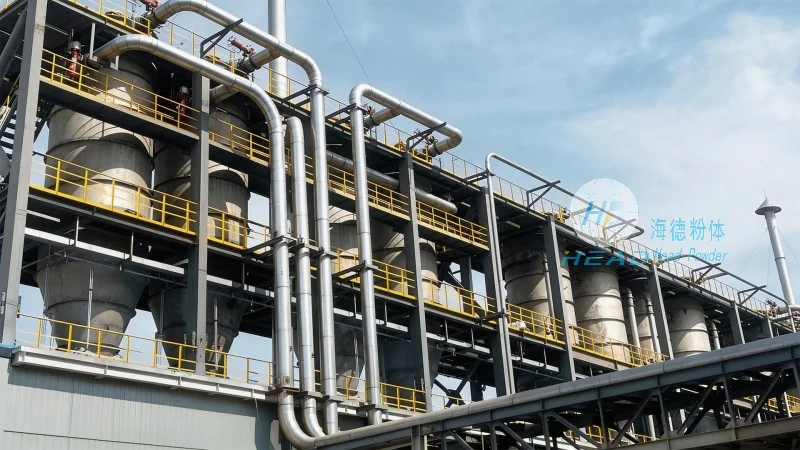
Key engineering considerations include the selection of materials for the pipeline and components, the design of the hopper and inlet to prevent material buildup, and the integration of the control system for optimal operation. The pipeline layout is carefully planned to minimize bends and changes in direction, as these can cause pressure losses and reduce the system's efficiency. The use of smooth, non-abrasive materials for the pipeline interior reduces wear and extends the system's lifespan.
Additionally, the system is designed with safety in mind. Features such as pressure relief valves, emergency shut-off switches, and dust collection systems are incorporated to prevent accidents and protect the environment. The control system is equipped with monitoring and alarm functions that alert operators to any abnormalities, such as pressure spikes or material blockages, allowing for immediate intervention.
Benefits and Applications
Grain silo pneumatic conveying systems offer numerous benefits for agricultural and food processing operations. These systems enhance efficiency by reducing the time and labor required for grain handling, as compared to traditional methods like bucket elevators or manual loading. They also improve safety by minimizing the risk of accidents associated with manual handling of bulk materials.
The systems are widely used in various applications, including: (1) transporting grain from storage silos to processing plants, (2) moving grain between different storage facilities, (3) feeding grain to milling or grinding equipment, and (4) distributing grain to packaging lines. The flexibility of pneumatic conveying systems allows them to be integrated into existing production lines or new facility designs, providing a cost-effective solution for modern grain management.
HeadPowder Engineering Co., Ltd. provides customized solutions tailored to the specific needs of each client. Their systems are designed to handle varying grain types, capacities, and operational requirements, ensuring optimal performance and reliability. By leveraging advanced engineering and quality materials, HeadPowder Engineering Co., Ltd. delivers pneumatic conveying systems that meet the demands of today's agricultural and food processing industries.




