HeadPowder, a leading engineering company based in Shandong, China, specializes in the design, manufacturing, and installation of advanced pneumatic conveying systems for various industrial applications. This article provides a detailed overview of the operation process and working principle of a petroleum coke material pneumatic conveying line, highlighting the key components, operational procedures, and technical aspects that ensure efficient and reliable material transport.
Key Components of the Petroleum Coke Pneumatic Conveying System
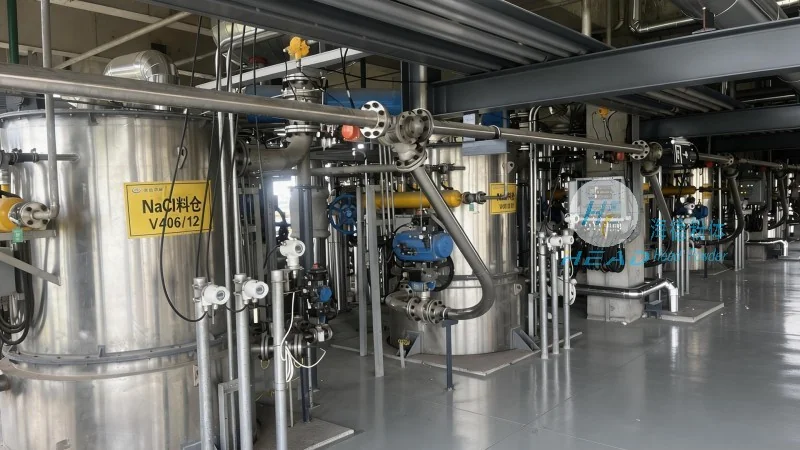
The petroleum coke pneumatic conveying line typically consists of several critical components that work in concert to achieve seamless material transport. These components include the material feed hopper, the air compressor or blower unit, the conveying pipeline system, the control valves, and the discharge hopper or receiver. Each component plays a vital role in the overall system performance and efficiency.
The material feed hopper is responsible for storing and feeding the petroleum coke into the conveying system. It is designed with a hopper bottom that can be equipped with a rotary valve or a gate valve to regulate the flow of material into the pipeline. The hopper is usually constructed from high-strength materials such as carbon steel or stainless steel to withstand the abrasive nature of petroleum coke, which can cause wear and tear on equipment over time.
The air compressor or blower unit is the heart of the pneumatic conveying system, providing the necessary air pressure and volume to move the material through the pipeline. There are different types of air compressors available, including positive displacement blowers and centrifugal compressors, each with its own advantages and applications. For petroleum coke, a positive displacement blower is often preferred due to its ability to handle high volumes of material and maintain consistent air pressure.
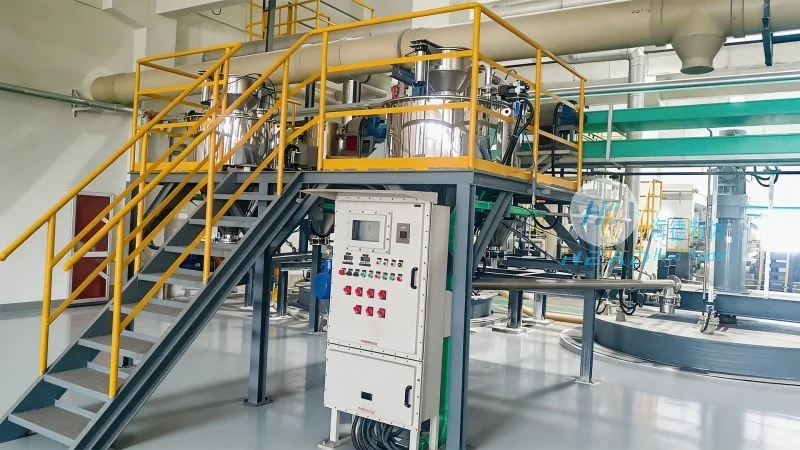
The conveying pipeline system is a network of pipes that transports the petroleum coke from the feed hopper to the discharge point. The pipeline is typically made of steel or plastic, depending on the specific requirements of the application. The diameter and length of the pipeline are carefully designed to ensure that the material is conveyed at an optimal velocity, minimizing the risk of blockages or material degradation. The pipeline may also include bends, elbows, and expansion joints to accommodate changes in direction and elevation.
The control valves are used to regulate the flow of air and material within the system. These valves can be manual or automated, depending on the complexity of the operation. They are essential for controlling the pressure, flow rate, and direction of the material transport, ensuring that the system operates safely and efficiently. Common types of control valves include gate valves, ball valves, and butterfly valves, each with specific functions in the conveying process.
The discharge hopper or receiver is the final component of the system, where the petroleum coke is collected after being conveyed through the pipeline. It is designed to handle the material and prevent it from spilling or contaminating the surrounding environment. The hopper may be equipped with a discharge valve or a rotary valve to control the outflow of material, ensuring that it is delivered to the next processing stage or storage facility.
Working Principle of the Petroleum Coke Pneumatic Conveying Line
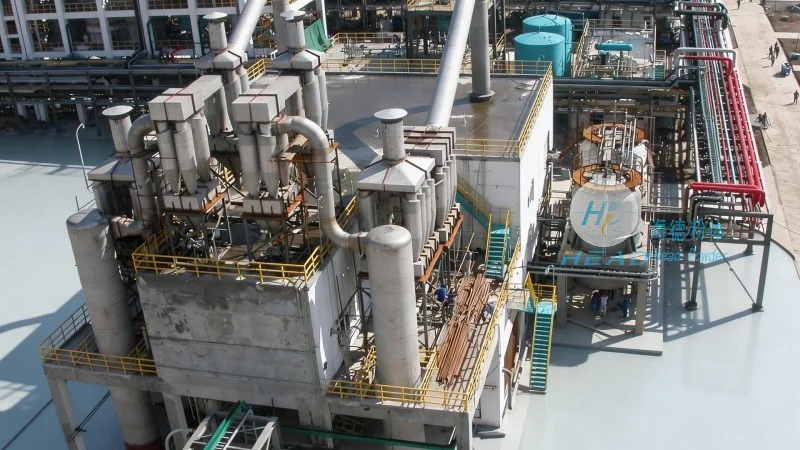
The working principle of the petroleum coke pneumatic conveying line is based on the use of air as a medium to transport the material. The process begins with the material being fed into the hopper, where it is then introduced into the pipeline by the air flow generated by the compressor. The air pressure created by the compressor forces the material to move through the pipeline, creating a dense phase or dilute phase flow, depending on the system design and operating conditions.
In a dense phase conveying system, the material is transported in a compacted form, with a high solids-to-air ratio. This method is often used for transporting abrasive or sensitive materials like petroleum coke, as it minimizes the risk of material degradation and equipment wear. The dense phase flow is achieved by controlling the air pressure and flow rate to maintain a consistent material velocity, preventing the material from settling or clogging the pipeline.
In a dilute phase conveying system, the material is transported in a more dispersed form, with a lower solids-to-air ratio. This method is typically used for shorter distances or when the material is less abrasive. The dilute phase flow is achieved by increasing the air velocity, which helps to keep the material suspended in the air and move it through the pipeline.




