Yunnanite, a type of industrial mineral, is commonly used in various manufacturing processes. The efficient transportation of yunnanite material from one location to another is crucial for maintaining production efficiency and minimizing operational costs. Pneumatic conveying lines offer a reliable and effective solution for handling yunnanite, ensuring smooth material flow while adhering to safety and environmental standards.
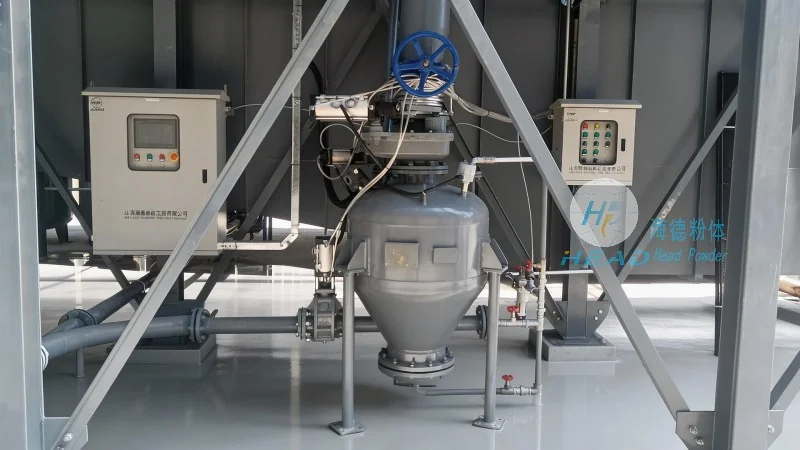
Overview of Pneumatic Conveying Technology
Pneumatic conveying systems utilize air or other gases to transport bulk materials like yunnanite through a pipeline network. This method eliminates the need for mechanical components such as belts or buckets, reducing maintenance requirements and increasing system reliability. The technology is widely adopted in industries dealing with fine or dusty materials, as it provides a dust-free and hygienic conveying process.
The Operation Process of Yunnanite Material Pneumatic Conveying Lines
The operation of a yunnanite material pneumatic conveying line involves several key steps. First, the yunnanite material is loaded into a hopper or storage silo. From there, the material is fed into the conveying line via a feeder or rotary valve. The feeder controls the flow rate, ensuring a consistent supply of material to the system. Next, the material is introduced into the pipeline, where it is carried by a stream of air or gas. The air velocity is carefully controlled to maintain the material in suspension, preventing blockages and ensuring smooth transport. The conveying line may include various components such as bends, filters, and silos, which are designed to handle the specific characteristics of yunnanite material. Finally, the material is discharged into a receiving hopper or storage container at the destination point. The entire process is automated, with sensors and control systems monitoring the flow rate, pressure, and temperature to ensure optimal performance.
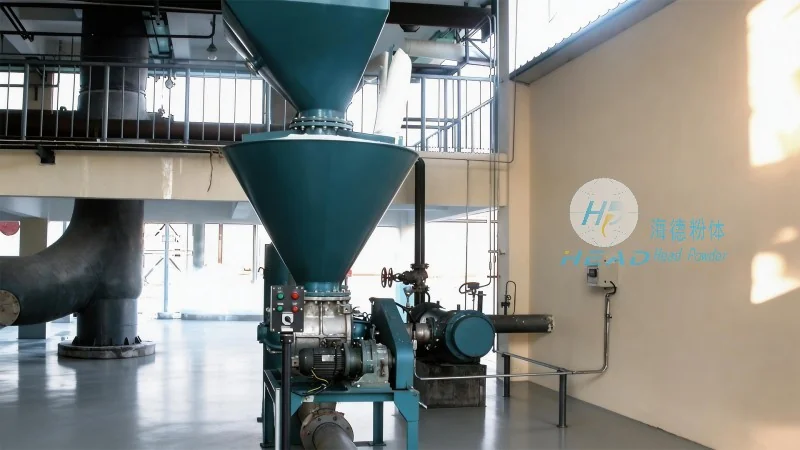
Working Principle of Pneumatic Conveying Systems
The working principle of a pneumatic conveying system for yunnanite material is based on the interaction between the material particles and the air stream. The system operates by creating a pressure differential between the inlet and outlet of the pipeline. The air is introduced at a high velocity, creating a suction effect that draws the yunnanite particles into the pipeline. The material is then carried through the pipeline by the air flow, maintaining a uniform suspension. The pressure and velocity of the air are critical parameters that determine the conveying capacity and efficiency of the system. The design of the conveying line, including the diameter of the pipeline and the length of the system, is optimized to minimize energy consumption and maximize material throughput. The system may use either positive pressure or negative pressure (vacuum) to transport the material, depending on the specific requirements of the application.
Key Components of Yunnanite Material Pneumatic Conveying Lines
Several key components are essential for the proper operation of a yunnanite material pneumatic conveying line. The hopper or storage silo serves as the material source, providing a consistent supply of yunnanite. The feeder or rotary valve controls the flow rate of the material, preventing overloading or underloading of the system. The pipeline network is the main transport medium, with components such as bends, elbows, and filters designed to handle the material's characteristics. The air compressor or vacuum pump generates the necessary air or gas flow, providing the pressure differential required for conveying. The control system monitors and regulates the operation of the components, ensuring optimal performance and safety. The receiving hopper or storage container collects the material at the destination point, completing the conveying process.
Advantages of Using Pneumatic Conveying for Yunnanite Material
Pneumatic conveying systems offer several advantages when used for yunnanite material transportation. First, they provide a dust-free and hygienic conveying process, which is essential for industries where material contamination is a concern. The system also reduces the risk of material spillage and dust emissions, improving workplace safety and environmental compliance. Additionally, pneumatic conveying eliminates the need for mechanical components, reducing maintenance costs and increasing system reliability. The technology is also flexible, allowing for easy expansion or modification of the conveying line to accommodate changes in production requirements. Finally, the system can be integrated with other production processes, improving overall operational efficiency and reducing downtime.
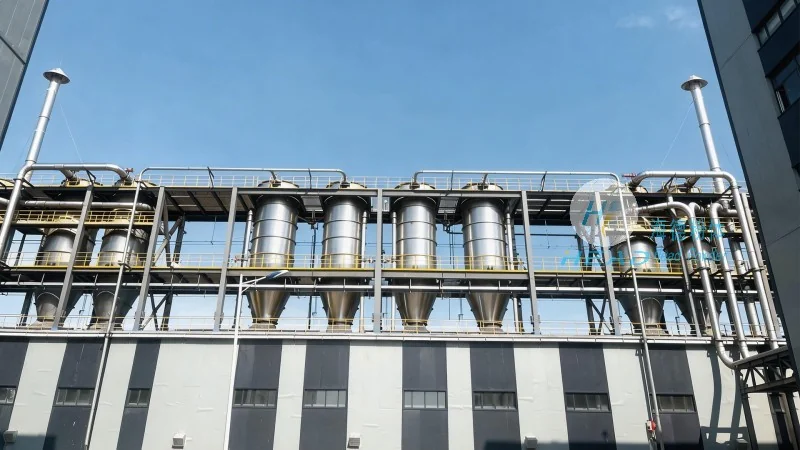
Application Examples in Industrial Settings
Yunnanite material pneumatic conveying lines are widely used in various industrial applications. For example, in the mining industry, the system is used to transport yunnanite from ore processing plants to storage facilities. In the manufacturing industry, the system is used to convey yunnanite to production lines for use in the production of ceramics, glass, or other materials. The system is also used in the chemical industry to transport yunnanite for use as a raw material in the production of chemicals or fertilizers. In all these applications, the pneumatic conveying system provides a reliable and efficient means of transporting yunnanite material, ensuring smooth production processes and minimizing operational costs.
Conclusion and Company Information
Yunnanite material pneumatic conveying lines are an essential component of modern industrial operations, providing a reliable and efficient means of transporting bulk materials. The operation process involves several key steps, from material loading to discharge, with careful control of air flow and pressure to ensure optimal performance. The working principle is based on the interaction between material particles and air stream, creating a pressure differential to transport the material. Key components such as hoppers, feeders, and pipelines are designed to handle the specific characteristics of yunnanite material. The advantages of using pneumatic conveying include dust-free operation, reduced maintenance costs, and flexibility. The system is widely used in various industrial settings, including mining, manufacturing, and chemical industries. Shandong HeadPowder Engineering Co., Ltd., a leading manufacturer of pneumatic conveying systems, specializes in providing customized solutions for yunnanite material transportation. With a focus on quality and innovation, the company ensures that its systems meet the highest standards of performance and safety. Located in Shandong, China, HeadPowder Engineering Co., Ltd. serves clients worldwide, offering comprehensive support and maintenance services to ensure the long-term operation of its pneumatic conveying systems.




