HeadPowder, a leading engineering company based in Shandong, China, specializes in the design, manufacturing, and installation of advanced pneumatic conveying systems for handling stone powder materials. This article provides a detailed overview of the operation process and working principles of such systems, highlighting the key components, operational steps, and technical aspects that ensure efficient and reliable material transport.
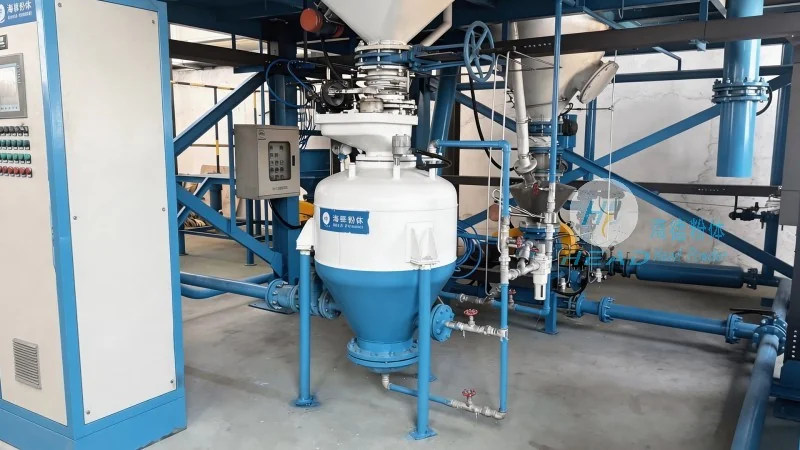
Understanding Pneumatic Conveying Systems for Stone Powder
Pneumatic conveying systems are essential for transporting bulk materials like stone powder from one location to another without the need for mechanical components such as belts or buckets. These systems utilize compressed air or gas to move the material through a pipeline, making them ideal for applications where dust control, hygiene, and flexibility are critical. The system typically consists of a material feed hopper, a conveying line, a control unit, and a discharge device. Each component plays a crucial role in the overall performance and efficiency of the system.
Key Components of the Pneumatic Conveying System
The core components of a stone powder pneumatic conveying system include: 1. Material Feed Hopper: This is where the stone powder is stored and fed into the system. It is designed to maintain a consistent material level and prevent blockages. 2. Feeder and Metering Device: The feeder controls the flow rate of the stone powder into the conveying line, ensuring a steady and controlled supply. 3. Conveying Line: The pipeline through which the material is transported. It is usually made of durable materials like stainless steel or plastic to withstand the abrasive nature of stone powder. 4. Compressor and Air Treatment Unit: Provides the necessary compressed air or gas to generate the conveying pressure. The air treatment unit filters and dries the air to prevent moisture and contaminants from affecting the material quality. 5. Control System: Monitors and regulates the operation of the system, including pressure, flow rate, and material level. 6. Discharge Device: Delivers the stone powder to the final destination, such as a storage silo or processing unit.
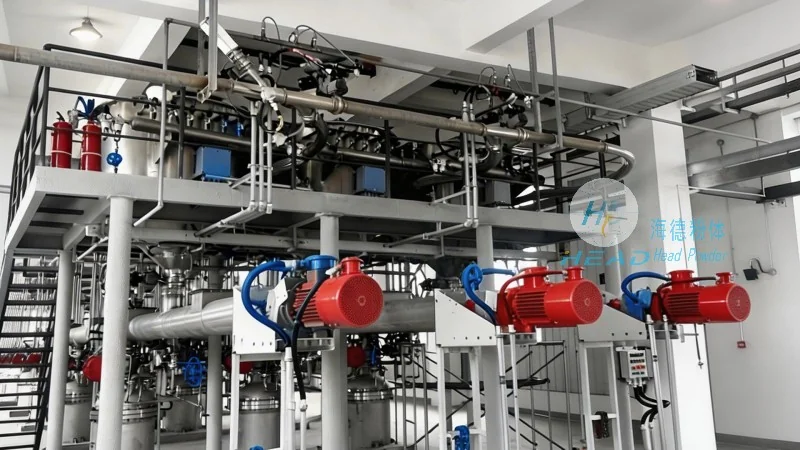
Operation Process of the Pneumatic Conveying System
The operation of a stone powder pneumatic conveying system involves several sequential steps: 1. Material Loading: The stone powder is loaded into the feed hopper from a storage silo or truck. The hopper is equipped with a level indicator to monitor the material level. 2. Feeding and Metering: The feeder starts operating, and the material is metered into the conveying line at a controlled rate. This step ensures that the material flow is consistent and does not overload the system. 3. Compressed Air Injection: The compressor supplies compressed air to the conveying line, creating a pressure differential that propels the stone powder forward. The air and material mixture travels through the pipeline at high velocity. 4. Transport and Delivery: The mixture moves through the pipeline to the discharge point. The control system adjusts the air pressure and flow rate to maintain optimal transport conditions. 5. Discharge and Collection: At the discharge end, the stone powder is separated from the air using a cyclone separator or filter. The purified air is then released back into the environment, while the stone powder is collected in the target container. 6. System Monitoring and Maintenance: The control system continuously monitors key parameters such as pressure, flow rate, and material level. Regular maintenance, including cleaning the conveying line and replacing filters, is essential to ensure the system operates efficiently and prolong its lifespan.
Working Principles of the Pneumatic Conveying System
The working principle of a pneumatic conveying system is based on the interaction between the material particles and the air flow. The system operates on one of two main principles: 1. Positive Pressure Conveying: In this method, compressed air is introduced at the material feed point, creating a high-pressure environment that pushes the material through the pipeline. This is suitable for short to medium distances and low to moderate material loads. 2. Negative Pressure (Vacuum) Conveying: Here, the system uses a vacuum pump to create a low-pressure environment at the discharge end, drawing the material from the feed point to the discharge point. This method is ideal for long-distance transport and when the material needs to be transported from multiple sources to a single destination. The choice of principle depends on factors such as the distance, material characteristics, and system requirements.
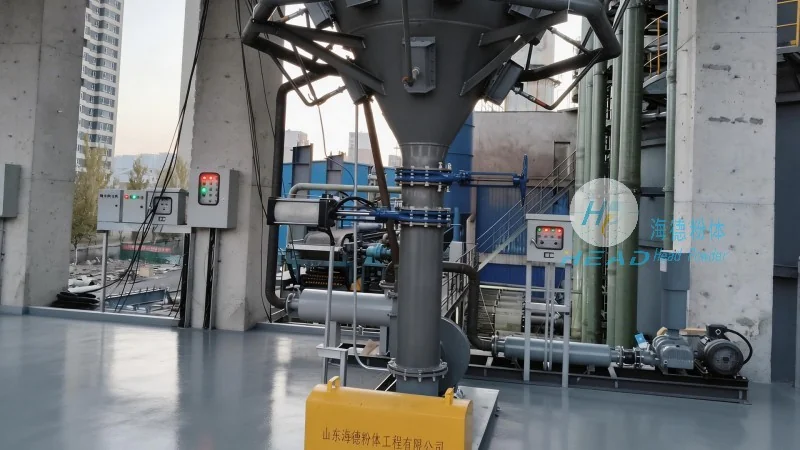
Advantages of Using Pneumatic Conveying Systems for Stone Powder
Pneumatic conveying systems offer several advantages over traditional mechanical conveying methods for stone powder: 1. Efficiency and Speed: The system can transport stone powder quickly and efficiently, reducing downtime and increasing production throughput. 2. Dust Control: The enclosed pipeline design minimizes dust emissions, improving workplace safety and environmental compliance. 3. Flexibility: The system can be easily reconfigured to accommodate changes in material flow or destination, making it adaptable to different production needs. 4. Low Maintenance: With fewer moving parts compared to mechanical systems, pneumatic conveying systems require less maintenance and have lower operational costs. 5. Hygiene and Cleanliness: The enclosed design prevents contamination from external sources, making it suitable for applications where material purity is critical, such as food processing or pharmaceuticals.
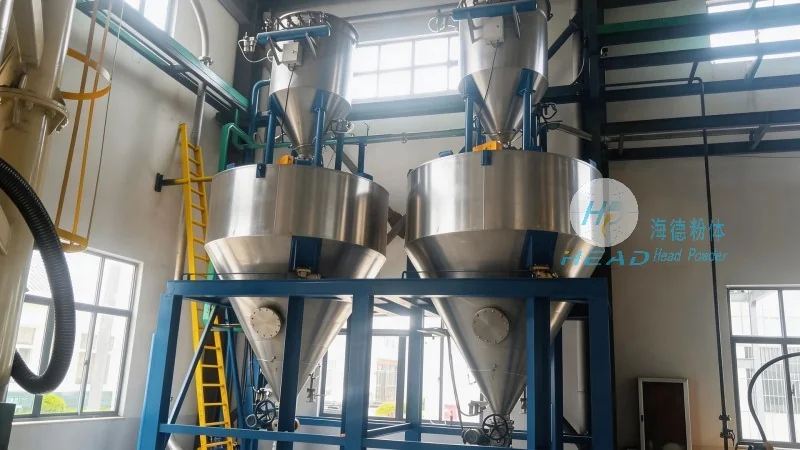
Applications of Stone Powder Pneumatic Conveying Systems
Stone powder pneumatic conveying systems are widely used in various industries, including: 1. Construction Materials: Transporting stone powder for concrete mixing, mortar production, and other construction applications. 2. Mining and Quarrying: Moving stone powder from processing plants to storage or shipping facilities. 3. Chemical and Pharmaceutical Industries: Conveying stone powder as a raw material for chemical reactions or as a filler in pharmaceutical products. 4. Food Processing: Transporting stone powder used as a filler or ingredient in food products, where hygiene and dust control are essential. 5. Environmental Applications: Conveying stone powder for soil stabilization or as a component in waste management processes.
Conclusion
HeadPowder's pneumatic conveying systems for stone powder are designed to provide efficient, reliable, and cost-effective material transport solutions. By understanding the operation process and working principles of these systems, users can optimize their material handling processes and improve overall productivity. With its headquarters in Shandong, China, HeadPowder continues to innovate and provide advanced engineering solutions for the stone powder industry, ensuring that clients achieve their operational goals with minimal downtime and maximum efficiency.




