Continuous material feeding pneumatic conveying systems represent a sophisticated solution for the efficient transport of bulk materials in industrial settings. These systems are designed to handle a wide range of materials, from powders and granules to small particulates, ensuring seamless and reliable material transfer from source to destination. The technology behind these systems combines pneumatic principles with continuous feeding mechanisms, offering advantages such as reduced downtime, improved safety, and enhanced process control.
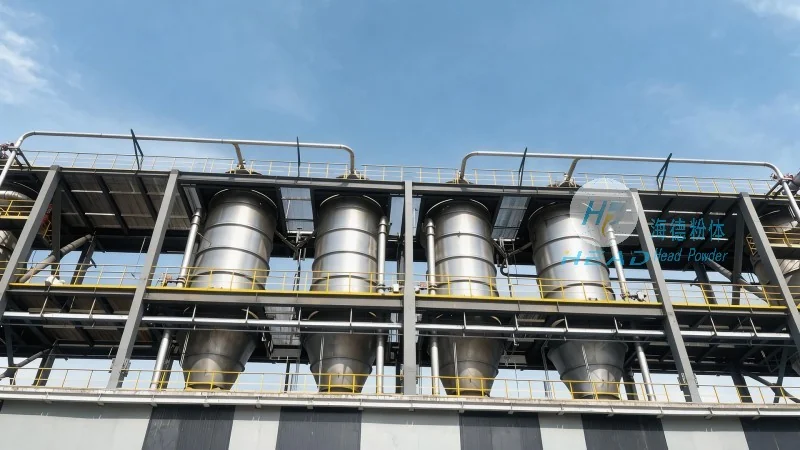
Company Overview: Shandong HeadPowder Engineering Co., Ltd.
HeadPowder, as a leading manufacturer in the field, specializes in the design, development, and implementation of advanced pneumatic conveying solutions. With a strong presence in China, particularly in Shandong, the company leverages its expertise to deliver customized systems tailored to the specific needs of various industries, including food processing, pharmaceuticals, chemicals, and more. The company's commitment to quality and innovation has positioned it as a trusted partner for businesses seeking efficient material handling solutions.
Key Components and Operation Process
The operation of a continuous material feeding pneumatic conveying system involves several critical components, each playing a vital role in the overall process. The system typically includes a feeding hopper, a conveyor line (often equipped with a positive displacement blower or a pressure vessel), a control system, and a discharge point. The continuous feeding mechanism ensures a steady flow of material into the system, while the pneumatic conveyance relies on the movement of air or gas to transport the material through the pipeline.
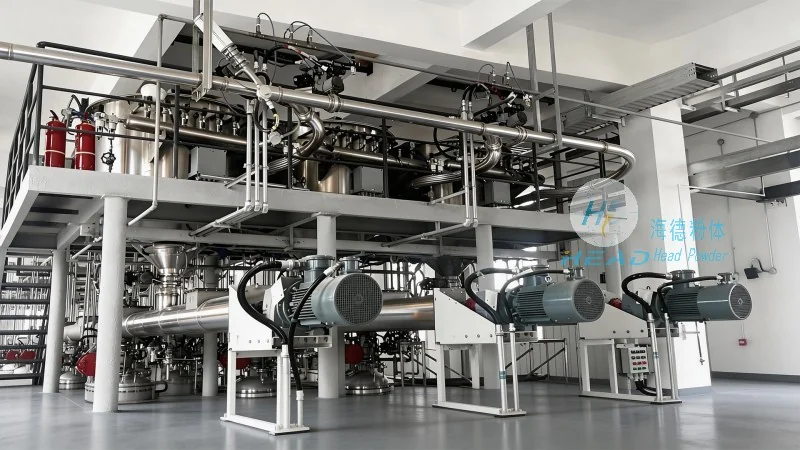
During operation, the material is first fed into the hopper from the source, where it is then transferred to the conveyor line. The control system regulates the flow rate and pressure, ensuring optimal performance. The air or gas is introduced into the system, creating a flow that propels the material through the pipeline. The discharge point is where the material is collected, completing the transport process. This continuous cycle allows for uninterrupted material handling, minimizing interruptions and maximizing productivity.
Working Principle of Pneumatic Conveying
The working principle of pneumatic conveying systems is based on the fundamental concept of using air or gas to transport solid materials. There are two primary types of pneumatic conveying: pressure and vacuum systems. In pressure systems, a positive displacement blower or a pressure vessel generates the necessary pressure to move the material. The material is drawn into the pipeline by the moving air, and the pressure differential ensures the material is conveyed efficiently. In vacuum systems, a vacuum pump creates a negative pressure, pulling the material from the source into the pipeline.
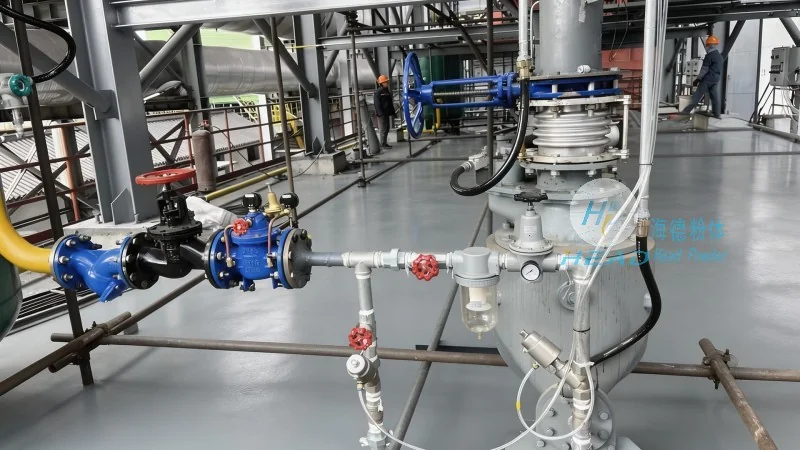
For continuous material feeding systems, the pressure system is commonly used due to its ability to handle higher material loads and longer distances. The system operates by maintaining a consistent pressure within the pipeline, which allows for the continuous flow of material. The feeding mechanism ensures that material is continuously supplied to the system, preventing blockages and maintaining a steady flow. The control system monitors the pressure and flow rates, adjusting as needed to maintain optimal performance. This combination of components and principles ensures that the system operates efficiently and reliably, providing consistent material transfer.
Advantages and Applications
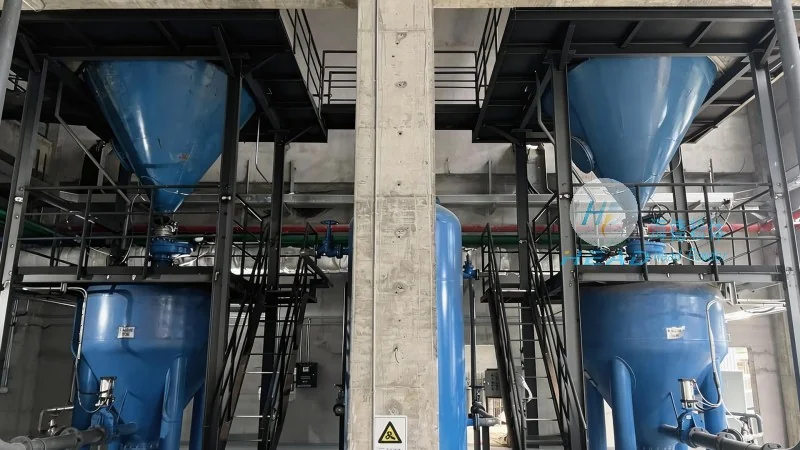
Continuous material feeding pneumatic conveying systems offer numerous advantages over traditional material handling methods. These include reduced labor costs, improved safety by eliminating manual handling, and enhanced process control. The systems are also capable of handling materials that are difficult to transport using traditional methods, such as dusty or abrasive materials. The continuous feeding mechanism ensures that the system operates at full capacity, maximizing productivity and minimizing downtime.
These systems find applications in various industries, including food processing, where the handling of powders and granules requires strict hygiene and contamination control. In the pharmaceutical industry, the systems are used to transport raw materials and finished products with precision and accuracy. The chemical industry also benefits from these systems, as they can handle a wide range of chemicals, from powders to liquids, with minimal risk of contamination. Additionally, the systems are used in the agricultural sector for the transport of grains and other bulk materials.




