Heptahydrate magnesium sulfate, commonly known as Epsom salt, is a widely used chemical compound in various industrial applications. The efficient and reliable transportation of this material from storage to processing units is crucial for maintaining production efficiency and product quality. Pneumatic conveying systems have emerged as a preferred method for handling heptahydrate magnesium sulfate due to their ability to transport materials in a dust-free environment, reduce material degradation, and enhance overall operational safety. This article provides an in-depth exploration of the operation process and working principle of pneumatic conveying for heptahydrate magnesium sulfate material, highlighting key components, operational steps, and the technical advantages of such systems.
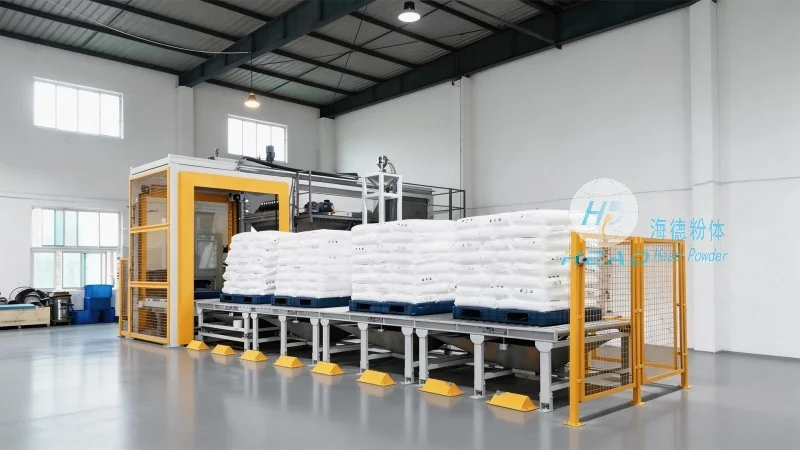
Overview of Pneumatic Conveying Systems for Heptahydrate Magnesium Sulfate
Pneumatic conveying systems are designed to transport bulk materials like heptahydrate magnesium sulfate through a pipeline using a gas stream, typically air or a mixture of air and other gases. These systems are categorized into two main types: pressure and vacuum systems. Pressure systems use compressed air to push material through the pipeline, while vacuum systems use a vacuum to draw material from the source. For heptahydrate magnesium sulfate, which is often handled in bulk quantities and requires gentle handling to prevent caking or agglomeration, pressure pneumatic conveying is commonly preferred due to its ability to maintain consistent material flow and minimize particle breakage.
Key Components of the Pneumatic Conveying System
The pneumatic conveying system for heptahydrate magnesium sulfate typically consists of several critical components that work in tandem to ensure smooth material transport. These components include:
1. Material Hopper or Storage Bin: This is the initial storage container where heptahydrate magnesium sulfate is held before being conveyed. The hopper is designed with a discharge valve or a rotary valve to control the flow of material into the conveyor line. Proper design of the hopper is essential to prevent material bridging or caking, which can disrupt the conveying process.
2. Conveying Pipeline: The pipeline is the main channel through which the material is transported. It is usually made of stainless steel or other corrosion-resistant materials to withstand the chemical properties of heptahydrate magnesium sulfate and prevent contamination. The pipeline diameter and length are carefully selected based on the material flow rate, particle size, and the required conveying distance.
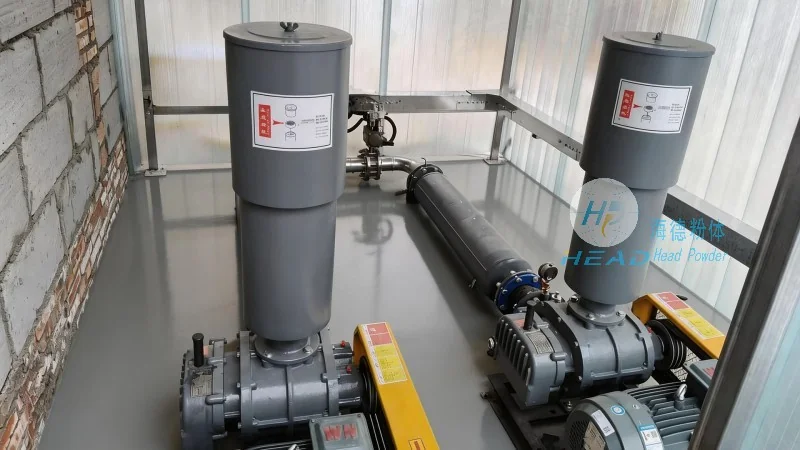
3. Air Supply Unit: This component provides the necessary compressed air or gas to generate the conveying pressure. It includes an air compressor, air dryer, and filter to ensure the air is clean and dry, preventing moisture-related issues such as material caking or corrosion of the pipeline.
4. Conveying Nozzles and Ducts: These are the points where the material is introduced into the pipeline and where the air and material mixture is directed. The design of these components is critical to maintain a stable flow and prevent pressure drops that could lead to material blockages.
5. Receiver or Discharge Bin: The receiving bin is where the heptahydrate magnesium sulfate is deposited after being conveyed. It is equipped with a discharge valve or a rotary valve to control the release of material into the next processing stage. The receiver is designed to minimize dust emissions and ensure a clean transfer of material.
Operation Process of Pneumatic Conveying for Heptahydrate Magnesium Sulfate
The operation process of a pneumatic conveying system for heptahydrate magnesium sulfate involves several sequential steps that ensure efficient material transport. The process typically begins with the preparation of the system and the loading of material into the hopper. Here is a detailed breakdown of the operational steps:
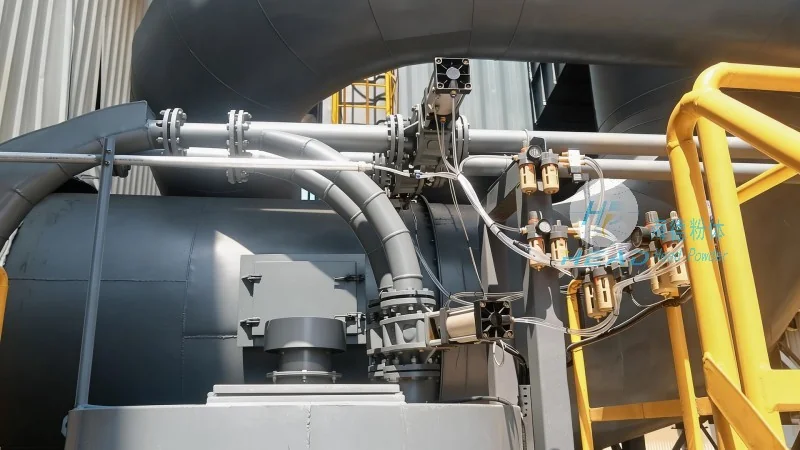
1. System Preparation and Air Purification: Before starting the conveying operation, the air supply unit is activated to provide compressed air. The air is passed through a dryer and filter to remove moisture and contaminants, ensuring that the air is suitable for conveying the material without causing any adverse effects.
2. Material Loading into the Hopper: Heptahydrate magnesium sulfate is loaded into the material hopper from bulk storage or a processing unit. The hopper is equipped with a level indicator to monitor the material level and a discharge valve to control the flow rate.
3. Initiation of Conveying: Once the air supply is stable and the material is loaded, the conveying process is initiated. The rotary valve or discharge valve in the hopper opens, allowing material to enter the conveying pipeline. Simultaneously, the compressed air is introduced into the pipeline, creating a pressure differential that propels the material forward.
4. Material Transport Through the Pipeline: As the material enters the pipeline, it is mixed with the air stream, forming a slurry or suspension. The air flow rate is carefully controlled to maintain a consistent velocity, ensuring that the material particles are carried without settling or causing blockages. The pipeline design, including bends and fittings, is optimized to minimize pressure losses and maintain the material's flow.
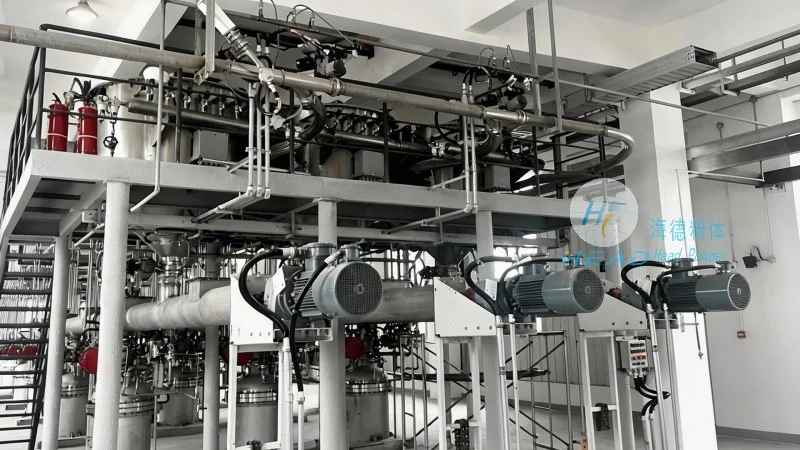
5. Material Deposition in the Receiver: The material-air mixture reaches the receiving bin at the end of the pipeline. The air is separated from the material in the receiver, often through a cyclone separator or a filter, and is then discharged back into the air supply system. The heptahydrate magnesium sulfate is collected in the receiver and is ready for the next processing step.
6. System Shutdown and Maintenance: After the conveying operation is complete, the system is shut down by stopping the air supply and closing the material discharge valve. Regular maintenance is performed to check for any blockages, wear and tear on components, and to ensure the system remains in optimal working condition.
Working Principle of Pneumatic Conveying for Heptahydrate Magnesium Sulfate
The working principle of pneumatic conveying for heptahydrate magnesium sulfate is based on the fundamental principles of fluid dynamics and particle transport. The core concept is to use the kinetic energy of the air stream to lift and transport the material particles through the pipeline. The key factors influencing the conveying process include the air velocity, material properties, and system design.
1. Pressure and Velocity Dynamics: In a pressure pneumatic conveying system, compressed air is introduced into the pipeline at a high velocity, creating a pressure gradient that drives the material forward. The air velocity must be sufficient to overcome the gravitational force acting on the material particles and to maintain a stable suspension. The velocity is typically maintained above the minimum conveying velocity, which is the speed at which the material particles are just lifted and carried by the air stream.




