Shandong HeadPowder Engineering Co., Ltd., commonly known as HeadPowder, specializes in the design, manufacturing, and implementation of advanced air-driven powder transport systems tailored for the foundry industry. Based in Shandong, China, the company leverages decades of expertise to deliver efficient and reliable solutions for handling foundry sand, a critical material in the casting process. This article explores the operational process and underlying principles of such systems, highlighting how they enhance productivity and material management in foundry operations.
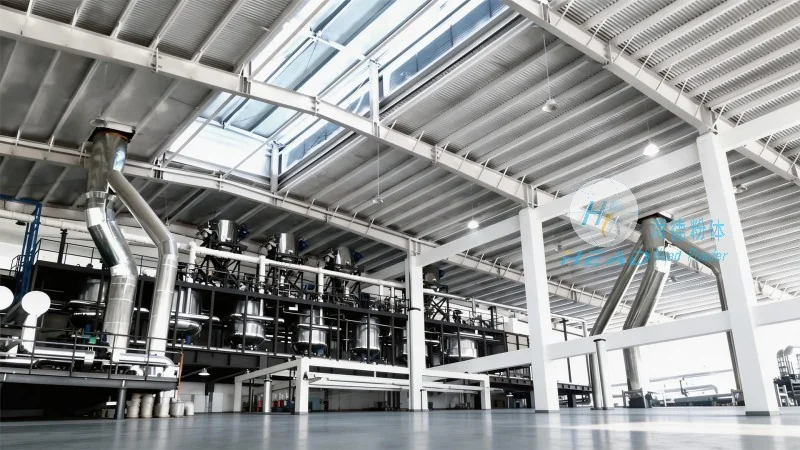
Understanding the Air-Driven Powder Transport System
The air-driven powder transport system, also known as pneumatic conveying, is a technology that uses compressed air to move bulk materials like foundry sand from one location to another. HeadPowder's systems are engineered to handle the specific challenges of foundry sand, which includes properties such as high moisture content, abrasive nature, and varying particle sizes. The core components of these systems typically include a hopper for material storage, a conveyor line, a blower or air compressor to generate the necessary air pressure, and a receiver for the discharged material. Each component is designed to work in harmony to ensure smooth and continuous material transport.
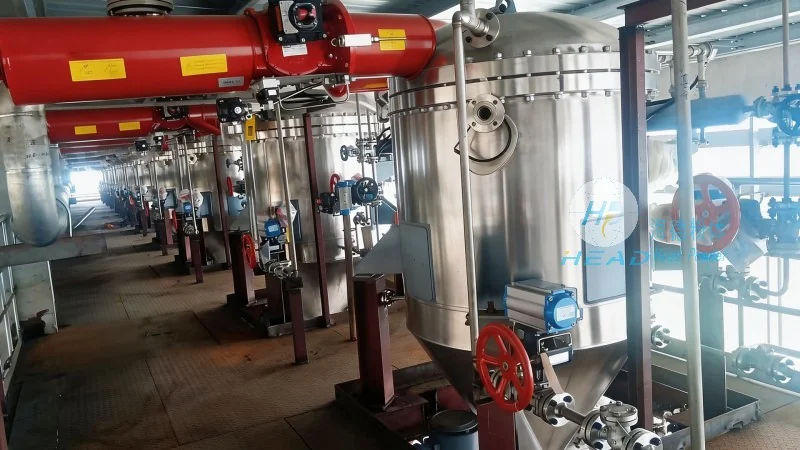
Step-by-Step Operation Process
The operation of an air-driven powder transport system for foundry sand involves several key steps, each contributing to the efficient movement of material. First, the foundry sand is loaded into the storage hopper. The hopper is equipped with a feeder that controls the flow rate of the material into the conveyor line. As the sand enters the conveyor, the blower generates a high-pressure air stream that propels the material forward. The air and sand mixture travels through the pipeline, with the air providing the necessary force to overcome friction and gravity. At the receiving end, the material is separated from the air, often through a cyclone separator or a filter, and collected in the receiving hopper. The air, now filtered of any residual dust, is then discharged back into the environment or recycled for further use.
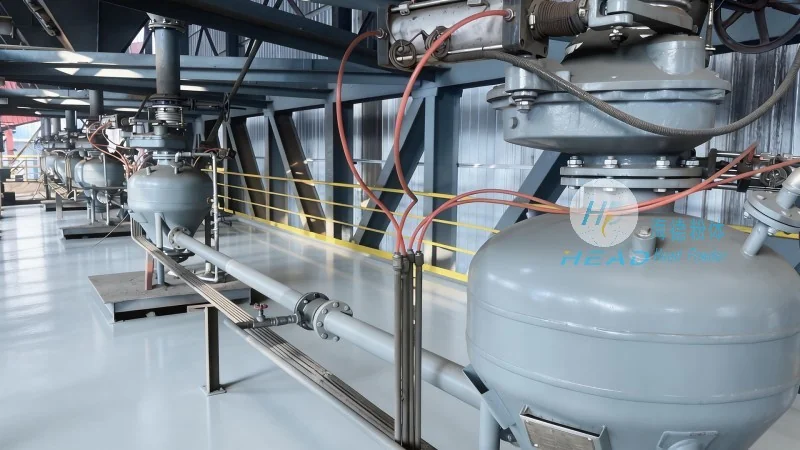
Working Principle of the System
The fundamental principle behind air-driven powder transport is the creation of a pressure differential between the inlet and outlet of the conveyor line. The blower or air compressor supplies compressed air at a pressure higher than the ambient air pressure. This pressure difference generates a flow of air that entrains the foundry sand particles, forming a slurry-like mixture. The air velocity within the pipeline must be sufficient to keep the particles suspended and prevent settling or blockage. HeadPowder's systems are optimized to maintain an appropriate air-to-material ratio, ensuring that the material is conveyed without excessive pressure drop or energy consumption. The design of the pipeline, including bends and fittings, is critical to minimize energy loss and maintain the flow stability. Additionally, the system incorporates features such as pulse-jetting or venturi sections to prevent material buildup and ensure consistent operation.
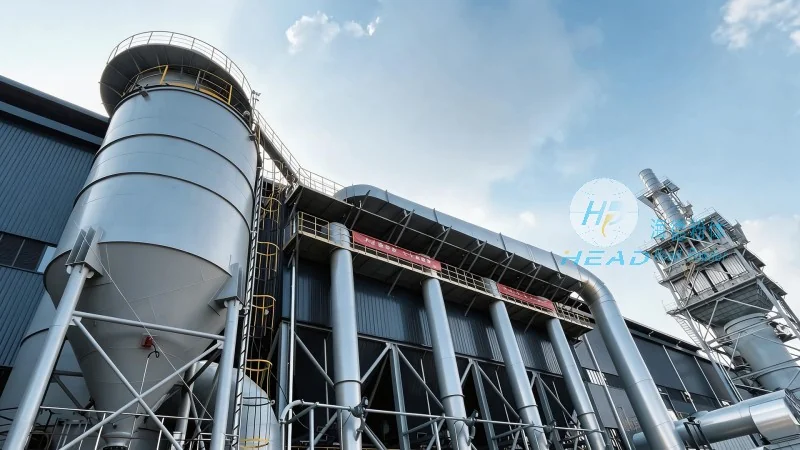
Key Advantages for Foundry Applications
Implementing an air-driven powder transport system from HeadPowder offers several advantages for foundry operations. Firstly, it significantly improves material handling efficiency by eliminating the need for manual or mechanical conveying methods, which are often slower and more labor-intensive. The system allows for continuous and automated material transport, reducing downtime and increasing production throughput. Secondly, it enhances safety by minimizing the risk of dust exposure and material handling accidents. The enclosed system design prevents dust from being released into the workplace, contributing to a healthier and safer environment. Thirdly, the system provides better material control and quality management. By maintaining consistent flow rates and particle size distribution, it helps in achieving uniform casting results and reducing defects in the final products. Lastly, the energy efficiency of modern air-driven systems, especially those optimized by HeadPowder, leads to lower operational costs compared to traditional methods like bucket elevators or belt conveyors.




