HeadPowder, a leading engineering firm based in Shandong, China, specializes in the design, installation, and maintenance of advanced material handling systems tailored for silica sand processing industries. The operation of a silica sand material handling system involves a series of integrated processes that ensure efficient and reliable transportation of raw materials from extraction sites to processing facilities. This article delves into the step-by-step operation process and the underlying working principles of such systems, highlighting key components and their functions.
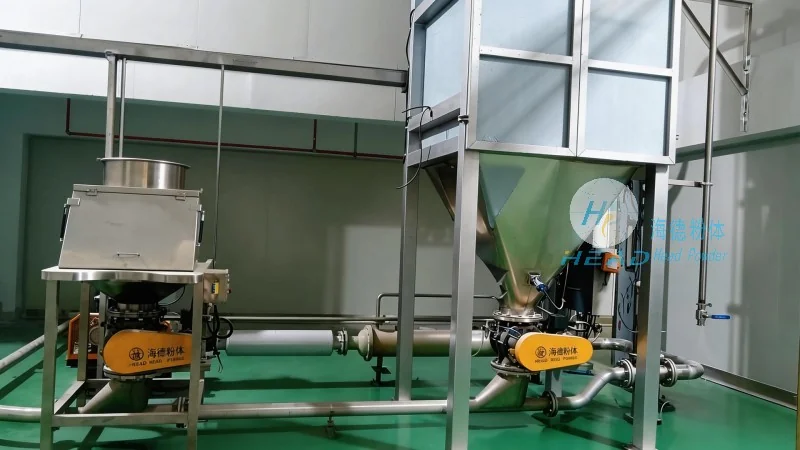
System Overview and Key Components
Before exploring the operational workflow, it is essential to understand the primary components that constitute a typical silica sand material handling system. These components work in concert to facilitate the seamless movement of silica sand, which is widely used in construction, glass manufacturing, and other industrial applications. The core elements include feeders, conveyors, storage silos, and control systems, each playing a critical role in the overall efficiency of the system.
Initial Material Handling and Feeding Process
The operational journey of silica sand begins at the extraction site, where raw sand is collected and transported to the processing plant. At the plant, the first step involves the use of feeders, such as vibrating feeders or belt feeders, to regulate the flow of sand into the system. These feeders ensure a consistent and controlled input of material, preventing overloading or underfeeding that could disrupt downstream processes. The feeders are typically equipped with adjustable speed controls and sensors to maintain optimal material flow rates, adapting to varying feed conditions.
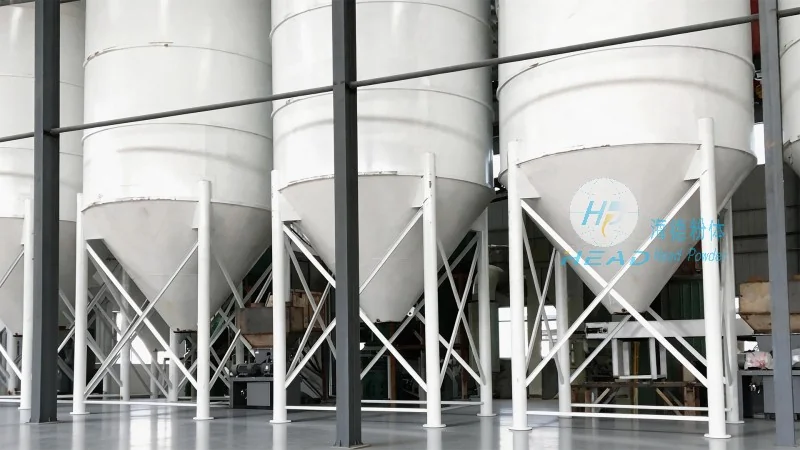
Conveyor Systems: The Heart of Material Transport
Conveyors are the central components responsible for transporting silica sand through the system. There are several types of conveyors used in silica sand handling, including belt conveyors, screw conveyors, and pneumatic conveyors. Belt conveyors are the most common due to their high capacity and ability to handle abrasive materials like silica sand. They consist of a continuous belt looped over rollers, with the sand placed on the belt and moved by the rotation of the rollers. The design of the belt conveyor, including the angle of inclination and the speed of the belt, is crucial for maintaining the material's stability and preventing spillage. Screw conveyors, on the other hand, use a rotating screw to push the sand forward, making them suitable for vertical or inclined transport. Pneumatic conveyors utilize air pressure to transport sand in a closed system, which is ideal for handling fine or dusty materials while minimizing dust emissions.
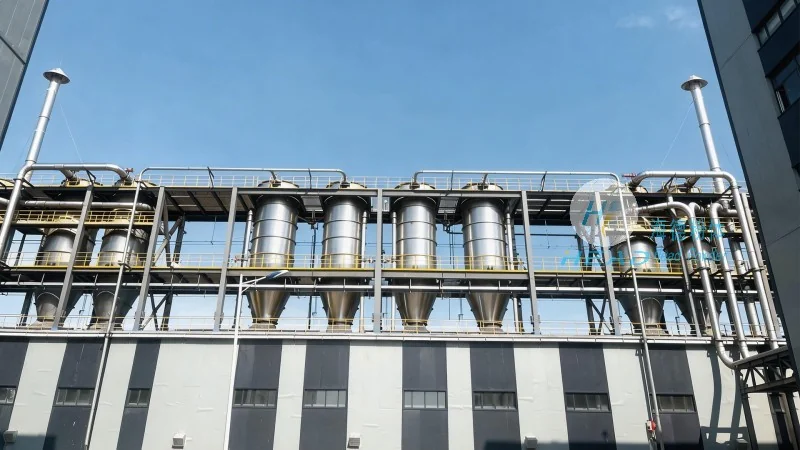
Storage and Dosing Systems: Ensuring Consistent Supply
After the sand is transported to the processing area, it is often stored in large silos or hoppers. These storage systems are designed to hold substantial quantities of sand, ensuring a continuous supply to the production line. The silos are equipped with level sensors and indicators to monitor the material level, alerting operators when the storage is low and requiring replenishment. Dosing systems, such as rotary valves or gate valves, are used to control the discharge of sand from the silos into the next processing stage. These systems allow for precise control over the flow rate, which is critical for maintaining consistent product quality and preventing fluctuations in the production process.
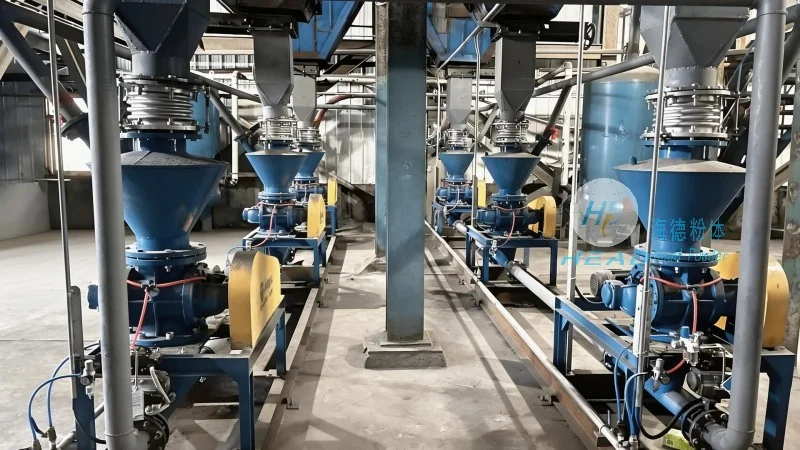
Control and Monitoring Systems: Ensuring Operational Efficiency
Modern silica sand material handling systems are equipped with advanced control and monitoring systems that enhance operational efficiency and safety. These systems typically include programmable logic controllers (PLCs), human-machine interfaces (HMIs), and sensors for temperature, pressure, and level monitoring. The PLCs manage the sequence of operations, coordinating the feeders, conveyors, and dosing systems to ensure smooth and synchronized operation. HMIs provide operators with real-time data and control options, allowing them to adjust parameters as needed to optimize performance. Sensors are strategically placed throughout the system to detect abnormalities, such as blockages or overloads, and trigger alarms or automatic shutdowns to prevent equipment damage and product loss.
Maintenance and Safety Considerations
Proper maintenance is essential to ensure the long-term reliability and efficiency of silica sand material handling systems. Regular inspections and maintenance activities, such as cleaning conveyor belts, lubricating moving parts, and checking sensor functionality, are crucial to prevent breakdowns and extend the lifespan of the equipment. Safety is also a top priority in these systems, with features like emergency stop buttons, protective guards, and dust suppression systems to minimize risks to personnel and the environment. HeadPowder adheres to strict safety standards and provides comprehensive maintenance services to ensure that its clients' systems operate safely and efficiently.




