Understanding the operation process and working principle of inorganic salt crystal material conveying systems is crucial for optimizing industrial processes. These systems are designed to handle the transportation of crystalline materials such as salts, which are widely used in various industries including chemical manufacturing, food processing, and pharmaceuticals. The efficiency and reliability of these conveying systems directly impact production efficiency and product quality.
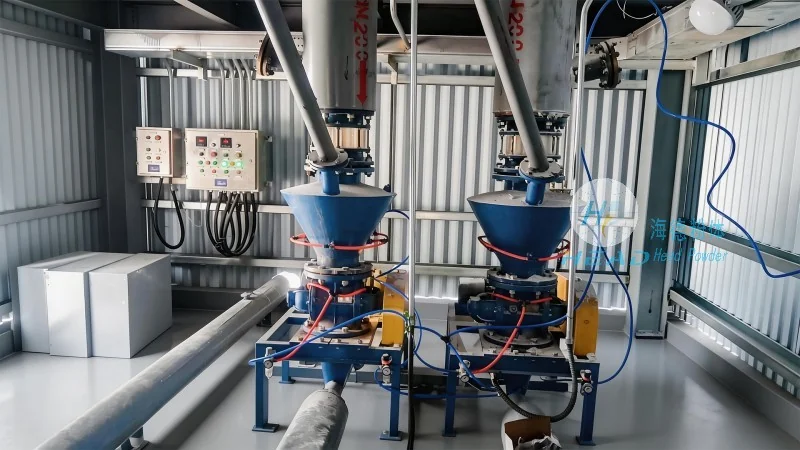
Company Overview: Shandong HeadPowder Engineering Co., Ltd.
HeadPowder, a leading provider of specialized conveying solutions, specializes in the design, manufacturing, and installation of equipment tailored for inorganic salt crystal material handling. With a strong presence in China, particularly in Shandong, the company leverages years of industry experience to deliver high-performance conveying systems that meet the unique demands of clients across different sectors. The company's commitment to quality and innovation ensures that its products are not only efficient but also durable and cost-effective.
Key Components and Working Principle
The inorganic salt crystal material conveying system typically consists of several key components that work in tandem to ensure smooth material transport. The primary components include a hopper for material storage, a conveyor mechanism (such as a belt or screw conveyor) for movement, and a control system for operation. The working principle revolves around the gravitational or mechanical force applied to the material to move it from the source to the destination. For example, in a belt conveyor system, the material is placed on the moving belt, and the belt's motion transports it through the system. The speed and tension of the belt are carefully controlled to prevent material spillage and ensure consistent flow.
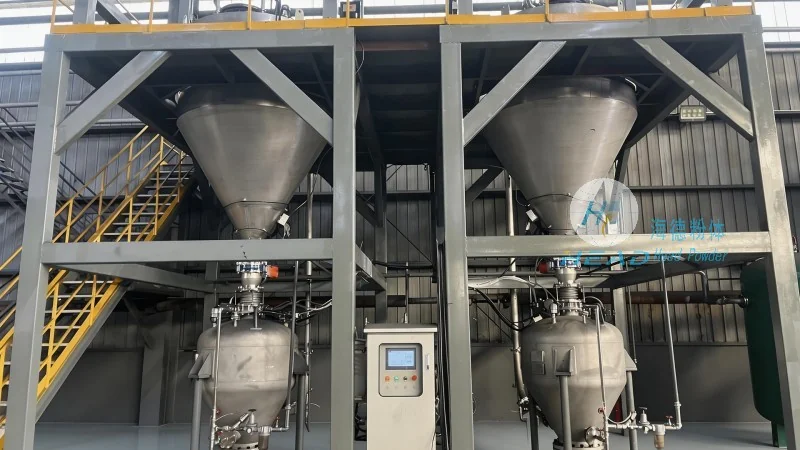
Operation Process: Step-by-Step Overview
The operation process of an inorganic salt crystal material conveying system involves several sequential steps that ensure the material is handled safely and efficiently. The first step is material loading into the hopper, where the crystals are stored before being conveyed. The hopper is designed to accommodate the bulk volume of the material and may include features such as a discharge valve to regulate the flow rate. Once the material is loaded, the conveyor system is activated, and the material begins to move along the conveyor path. The conveyor may include intermediate supports or idlers to maintain the material's position and prevent it from falling off. At the end of the conveyor, the material is discharged into a storage or processing unit. The entire process is monitored by a control system that adjusts parameters such as speed, tension, and flow rate based on real-time feedback from sensors. This ensures that the conveying process is optimized for maximum efficiency and minimal downtime.
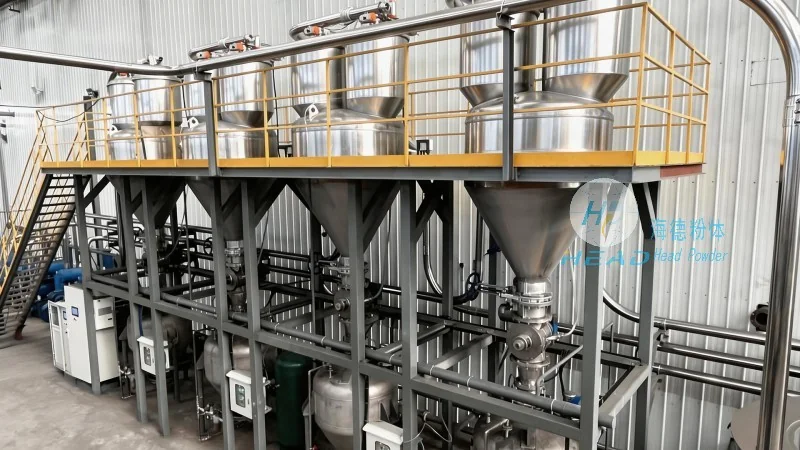
Advantages of Inorganic Salt Crystal Material Conveying Systems
Implementing an inorganic salt crystal material conveying system offers several advantages for industrial operations. Firstly, these systems enhance production efficiency by reducing manual handling and minimizing material loss. The automated nature of the process allows for consistent and continuous material transport, which is essential for maintaining production schedules. Secondly, the systems are designed to handle the abrasive and corrosive properties of inorganic salts, ensuring long-term durability and low maintenance costs. The use of high-quality materials in the construction of the conveyor components, such as stainless steel or specialized polymers, further enhances the system's resistance to wear and corrosion. Additionally, the modular design of many conveying systems allows for easy integration with existing production lines, making it a flexible solution for various industrial applications.
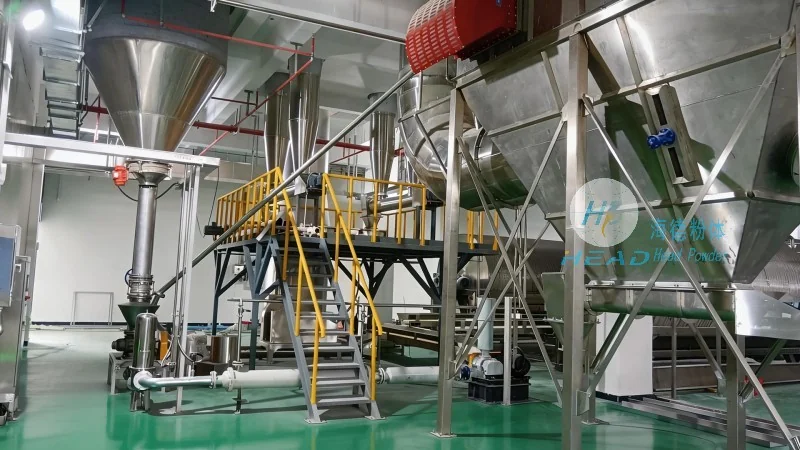
Applications in Different Industries
Inorganic salt crystal material conveying systems are widely used across various industries due to their versatility and reliability. In the chemical industry, these systems are used to transport raw materials such as sodium chloride, potassium chloride, and other salts used in the production of chemicals and fertilizers. The systems ensure that these materials are handled safely and efficiently, reducing the risk of accidents and improving overall production efficiency. In the food processing industry, conveying systems are used to transport salt crystals used in food preservation and flavoring. The systems maintain the quality of the salt by preventing contamination and ensuring consistent particle size distribution. In the pharmaceutical industry, conveying systems are used to transport raw materials used in the production of medications, where purity and consistency are critical. The systems are designed to meet stringent hygiene standards, ensuring that the materials are handled in a clean and controlled environment.
Maintenance and Troubleshooting
Proper maintenance is essential to ensure the long-term performance and reliability of inorganic salt crystal material conveying systems. Regular inspection of the conveyor components, such as the belt, idlers, and bearings, is necessary to identify and address any issues before they become major problems. The control system should be checked regularly to ensure that it is functioning correctly and that all sensors are providing accurate readings. The hopper and discharge valve should be cleaned periodically to prevent material buildup and ensure smooth operation. Common issues that may arise include belt slippage, material blockages, or sensor malfunctions. These issues can be addressed by adjusting the tension of the belt, clearing blockages, or replacing faulty sensors. By following a regular maintenance schedule, the system's lifespan can be extended, and downtime can be minimized.




